Most real estate films pick one subject: the town or the home. This film pairs them. It spends its first stretch on the outdoors, with recreation, an orchard and shops, and then hands the viewer to the same presenter, who walks through a condominium interior. The two halves explain each other.
5 minute read
A community introduction that leads to a home
The film is called a community and home film because it does both jobs in 2:16. A viewer who is curious about Glastonbury sees what daily life around the town might include. A viewer who is curious about a particular home sees it with the context of its surroundings already in mind.
The presenter is Elise Palacios, who is credited at the end and in a lower third. Her presence is what joins the halves. She is the consistent voice and face in a film that otherwise changes location several times, and her handover from outdoors to indoors is the moment the film turns from a town portrait into a home tour.
The home is presented without a stated address, and the community half is presented as the film shows it, as a series of impressions rather than a map of the town.
Recreation first: tennis, water and ball fields
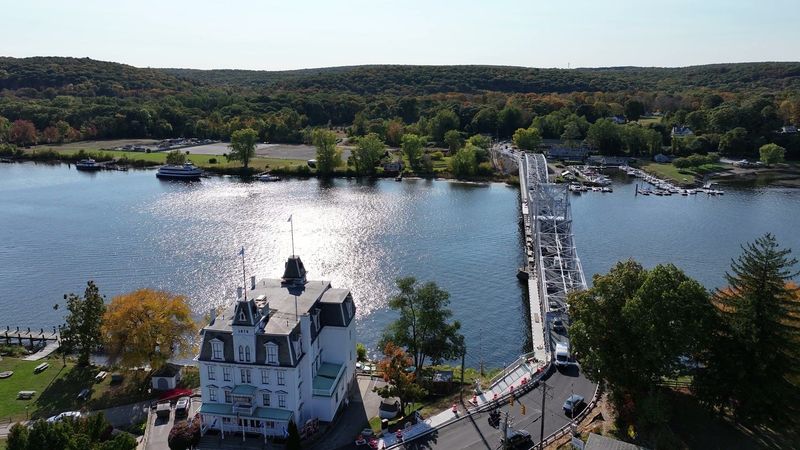
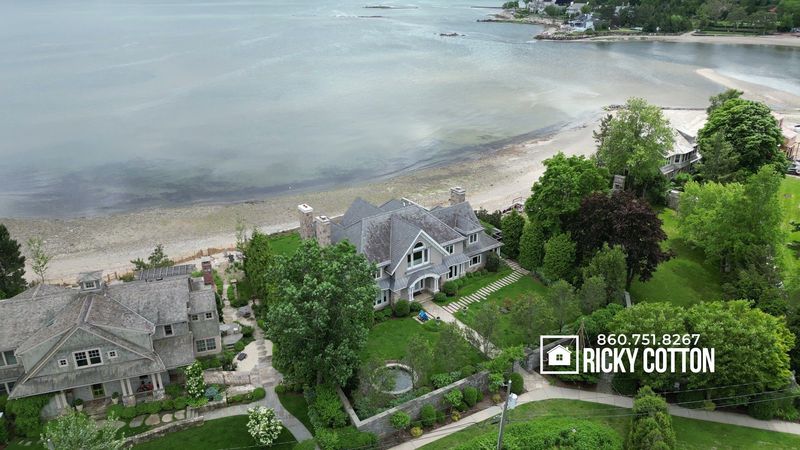
The opening sequence is about being outside. Tennis courts, a waterfront recreation setting seen from the air and baseball fields come early in the film. The frame that introduces this page, at about twenty seconds, is the waterfront aerial. It establishes an open, active setting before any interior appears.
Starting with recreation is a clear editorial choice. The things people do outdoors are some of the easiest parts of a town to show on camera, and they require no explanation. A viewer sees tennis and baseball and knows what kind of activity the town offers.
The pacing of this opening matters. Each outdoor location is shown briefly, so the film gives a range of examples rather than a long look at any one. That keeps the community half moving at the speed of a town introduction, and it leaves room in a short film for the home tour that follows.
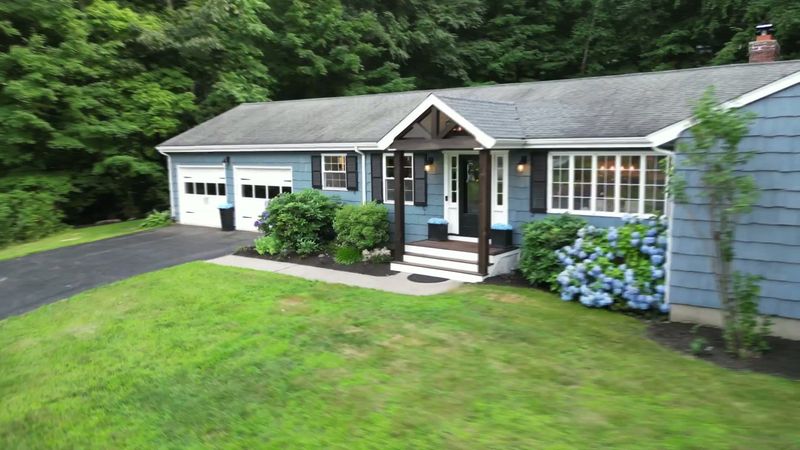
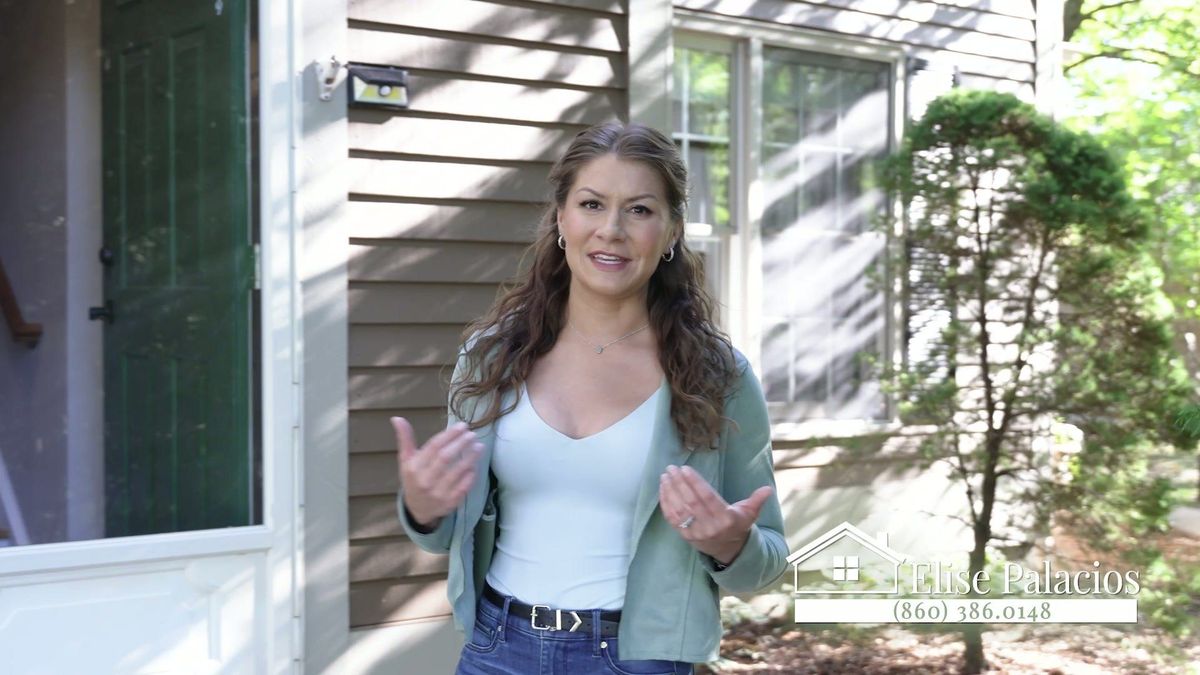
The presenter then stands outside a home. The frame at about fourteen seconds shows Elise Palacios outside the house, which acts as an early signal that a home will feature in the film. It sets the expectation, so the viewer understands the outdoor material is leading somewhere.
An apple orchard and the shops
After the recreation sequence, the film moves to an apple orchard. A close view of apples on a tree introduces the sequence, a detail that communicates season, landscape and local character in a single image. It is the most distinctive image in the community half of the film.
The film also passes shops, including a Barnes & Noble. A recognizable retail name gives viewers a quick reference for convenience and everyday errands. The shops balance the orchard: one shows the town’s agricultural side, the other its ordinary daily needs.
Together, the sequences give a mixed picture of the town that is believable because it is not one-note. A community film that shows only scenic places can feel like an advertisement; one that also shows shops reads as a place where people live.

The handover from town to home
The turn from community to home is the film’s most important transition. After the outdoor sequences, the presenter is shown outside a home, and the film moves inside. Because the viewer has just seen the town, the interior arrives with context: this is the kind of home that sits within that setting.
That ordering reverses the usual real estate sequence. Typical tours start with the house and finish with a few neighborhood images. Here, the neighborhood comes first, and the home becomes the payoff. The effect is a film that feels like a conversation about a way of living, not an inventory of rooms.
Inside the condominium
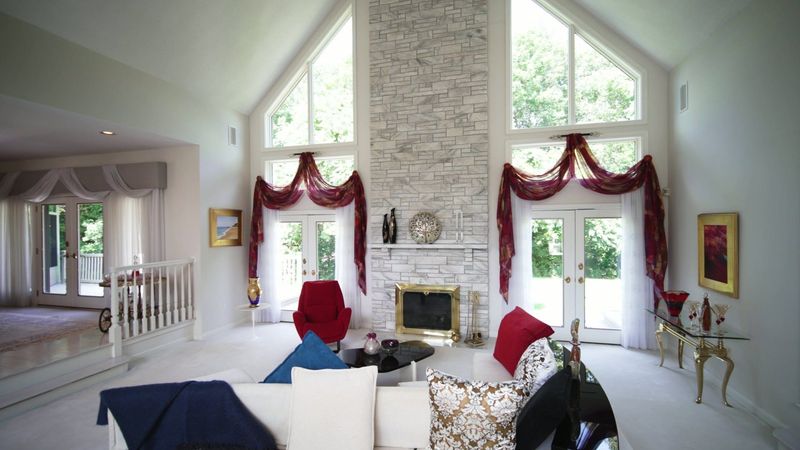
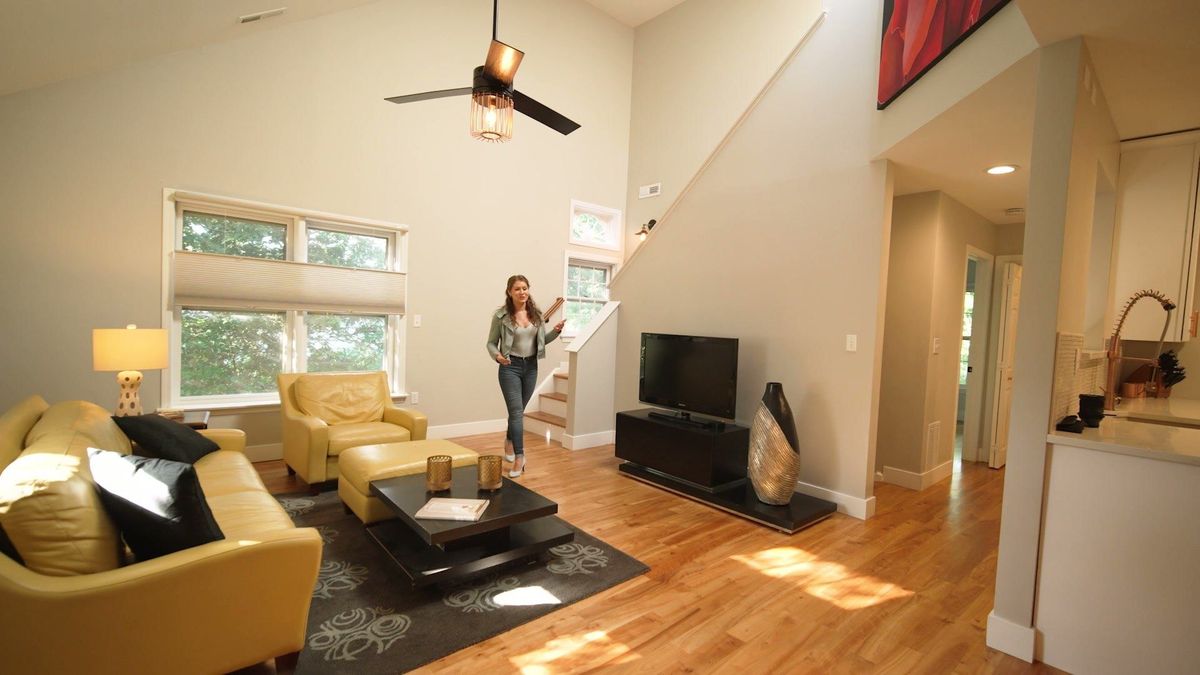
The interior tour covers a condominium. A bright living room with a vaulted ceiling is the first major space, and the frame at about one minute sixteen shows it. Light and height are the essential qualities of this room, and the camera frames both.
The tour continues through a bedroom with a skylight, the kitchen, a laundry area and basement stairs. Showing the laundry and the stairs is a practical choice: these are everyday features a viewer may want to know about and rarely sees in glossy marketing. They give the tour a practical completeness, because a viewer imagining daily life wants to see where the laundry is as much as where the sofa goes. The condominium is presented as it is, without staging language or claims about its condition beyond what the camera shows.
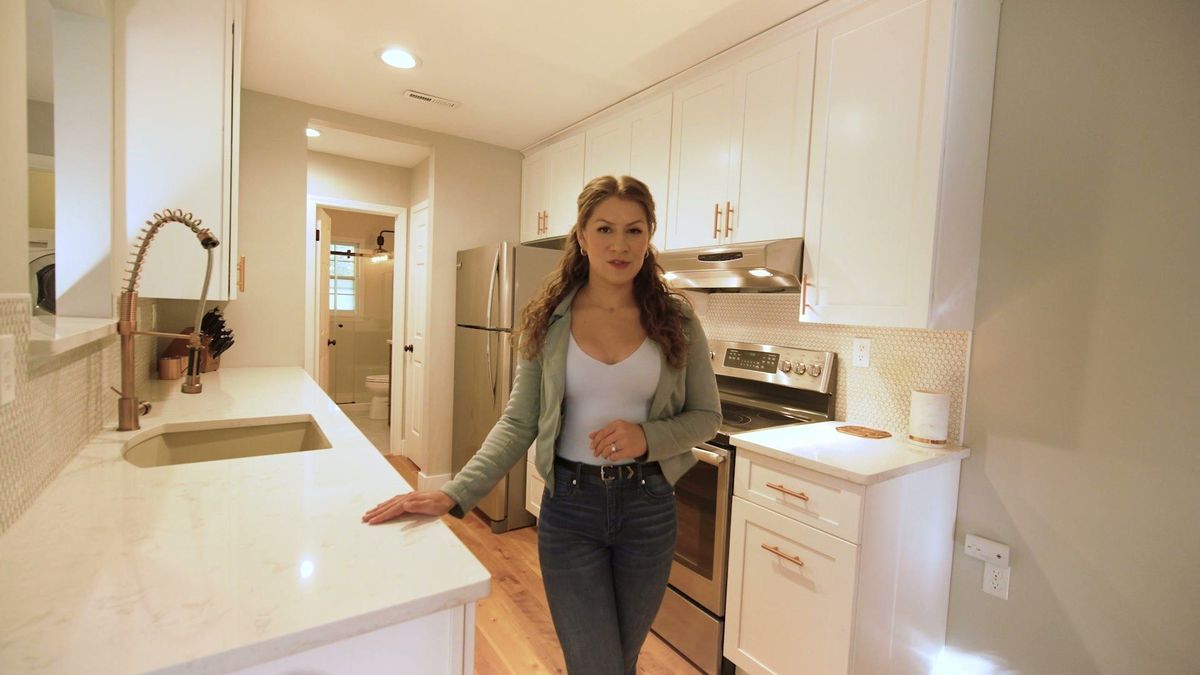
The presenter appears in the kitchen and dining area, in the frame at about one minute forty. Her return to the camera at this point reminds the viewer that she is guiding the tour, and it gives the interior sequence a human anchor in the same way the exteriors did.
What the finished film accomplishes
As communication, the film combines two kinds of information that are usually separated: what the surroundings offer and what the home looks like. A prospective resident can take in both at once, in the voice of an agent who is shown to be at home in each.
- A community sequence that uses recreation, an orchard and shops to show daily life.
- A presenter who appears outdoors and indoors, keeping the film continuous.
- An interior tour that includes the practical rooms, not only the showpieces.
- A structure that is simple to excerpt: the community half and the home half can stand alone.
The film is a piece of introduction: it lets a viewer meet the presenter, see how the town looks and sounds in motion, and step inside a home before any conversation begins. For more about the kinds of real estate film we produce, see the real estate video page; for preparation advice, read real estate video tour tips. If you want a film that introduces you rather than a property, a brand story video may fit.