Real estate
Real estate video tours: how to prepare a property and plan the shots
A listing preparation guide: staging, light, shot order, agent on-camera options and the formats a listing video needs.
By Tyler RiveraUpdated 8 min read

A property looks its best on camera when someone has prepared it with care. The work done before we arrive often matters more than anything we do on the day. This guide is for listing agents and homeowners in Connecticut who want a video tour that feels honest, easy to follow, and worth watching to the end.
Our approach is to plan the tour the way you would walk a buyer through at an open house: start outside, move through the home in a natural order, and point out what makes this particular property worth a visit.
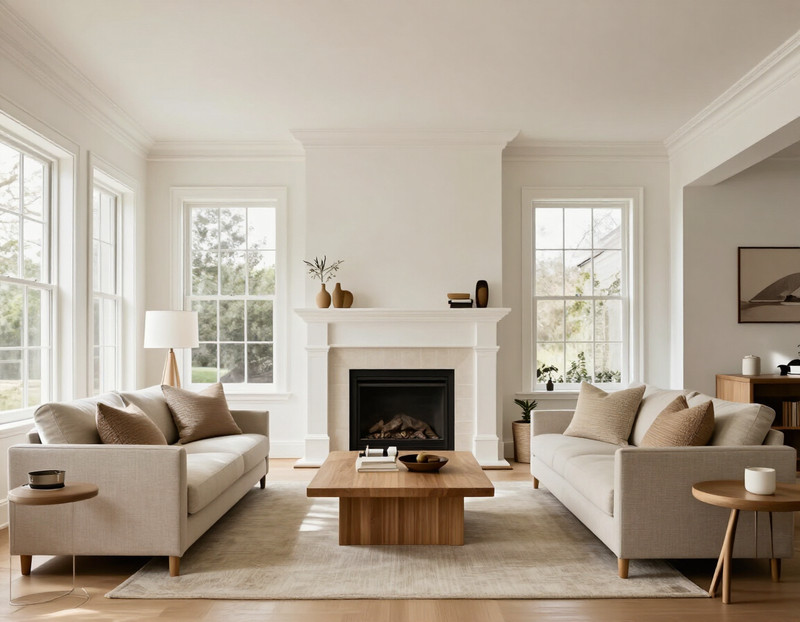
How do we prepare the inside of the home?
Walk through each room and ask what a buyer would notice first. Then clear away whatever competes with the room itself. We suggest this list for sellers:
- Clear counters, tables, and shelves of everyday items
- Put away personal photos, mail, and small appliances
- Open blinds and curtains fully, and replace burnt out bulbs
- Make beds, fold towels, and close toilet lids
- Hide cords, trash bins, and pet items
The goal is a clean, welcoming space, not an empty one. A few simple touches, such as a bowl of fruit or a folded throw, help a room feel lived in without distracting from the space.
Lights, windows, and time of day
Turn on every light before filming, including lamps, and use bulbs of a similar color if you can. Natural light is the most flattering thing a home has, so we plan the visit around it. Rooms that face the sun can look very different in the morning and the late afternoon. When we plan a tour we ask which rooms matter most and schedule around the time they look best. Open all window coverings, and clean the glass if you can, since smudges show up on camera.
What should the exterior and neighborhood show?
Exterior shots are usually the first thing viewers see, so they set the tone. Mow the lawn, sweep walkways, and tidy the entry. Move cars off the driveway and the street in front of the house. Put away hoses, toys, and garden tools. If there is a patio, set out simple furniture and wipe it down.
For the neighborhood, buyers want to know what living there feels like. Consider short shots of nearby parks, shops, or tree-lined streets, filmed in similar light to the house. Talk with us about which spots suit your listing. Check that you have permission where it is needed, and avoid showing neighbors' homes, faces, or license plates in a way that identifies them.
What is the right walk order?
A tour works when it follows a path a buyer could actually take. Our usual process looks like this:
- Plan the route. Walk the property with the agent in advance, or review a floor plan together, and decide on one continuous path.
- Start with the approach. Begin at the street or driveway, then move to the front door.
- Enter and orient. Show the entry and the main living space first so the viewer understands the layout.
- Move room by room. Continue through kitchen, dining, and main living areas, then bedrooms and baths.
- Show the features. Slow down for the things you would point out in person, such as a renovated kitchen, a fireplace, or a view.
- Cover the extras. Include basement, garage, laundry, and storage if they help the story.
- Finish outside. End with the yard, deck, or patio, and a last look at the front of the house.
Keep movement slow and steady, and avoid showing a room for only an instant. Viewers should have time to see where things are.
Agent on camera, voiceover, or no talking?
There are three common choices, and each suits a different goal.
| Option | What it feels like | Best when |
|---|---|---|
| Agent on camera | Personal and welcoming, like an open house | You want buyers and sellers to get to know you |
| Voiceover | Clear guidance without appearing on screen | You prefer not to be filmed, or the home needs explaining |
| Music only | Quiet and atmospheric | The home speaks for itself and the layout is simple |
You can also combine them: the agent introduces the property at the door, then a voiceover or music carries the walk-through. If speaking to a camera is new to you, we guide you through it and help with what to say. Short sentences, said slowly, almost always sound better than long ones.
The agent introduction video
Many agents also want a short video that introduces themselves, rather than a specific home. It can sit on a profile, in emails, or alongside listings. Our page on how to build trust with video explains why showing the person behind the sign matters to both sellers and buyers. If you also need a current portrait for your profile and signs, our guide to team headshots preparation covers how to get ready for the session.

A hypothetical example: a single-family home in Fairfield County
Here is a hypothetical brief to show how the pieces fit together. Imagine a listing agent in Fairfield County with a single-family home that has a renovated kitchen, a sunroom, a finished basement, and a backyard.
The agent and seller agree that the sunroom looks best in the morning, so that becomes the filming window. Two days before, the seller clears the kitchen counters, puts away family photos, and moves two cars to a relative's driveway. The agent decides to appear on camera at the front door and again in the kitchen, with the rest of the tour carried by music. The route runs from the front walk to the foyer, the kitchen and living space, the sunroom, upstairs bedrooms, the basement, and then the backyard.
From that single visit the agent would plan three pieces: a full tour for the listing page, a shorter vertical cut for social media, and a set of photographs of the same rooms. We do not predict how quickly a home will sell or at what price, since that depends on many things outside a video. What the preparation does is make the home easier to understand.
Which formats should come from one visit?
Planning ahead lets one visit serve several uses. Think about these before the day:
- A full tour for the listing page, for people seriously considering the home
- A vertical cut for social media, built around the most striking rooms and a clear opening
- A link-ready version that you can send in an email or message to buyers and sellers
- Photographs taken during the same visit
Our real estate page describes where listing videos tend to be used. For the vertical cut, the ideas in our guide to short-form video for local businesses apply to agents too, and our social media service helps shape clips for the platforms where your audience spends time.
Why photos still matter
Still images are often the first thing buyers see, and they work well on listings and printed material. Our photography service pairs well with video, and preparing the home once for both saves effort. Photos and video do different jobs: photos let someone study a room, and video shows how rooms connect.
Access, sellers, pets, and privacy
Coordination with the homeowner is where many shoots succeed or struggle, so we plan it early.
- Access. Decide who will unlock the property and be available for questions. Confirm parking and entry for the crew.
- Pets. Ask whether animals can be elsewhere during filming. A pet can be charming, but a dog at the door can interrupt a take.
- Cars. Clear driveways and the street frontage, and tell neighbors if equipment may block anything briefly.
- Residents. If people live in the home, ask them to be away during the filming or to stay out of rooms we are filming.
- Personal items. Put away family photos, mail, documents, prescriptions, and anything with names or addresses. Close laptops.
- Valuables. Store jewelry, cash, and keepsakes before the day, and consider not showing the exact location of security systems.
What the video should not show matters as much as what it should. Avoid anything that identifies the people who live there or reveals what they own. Rules about what a listing video may say or include differ, so agents should follow their brokerage's guidance and local rules, and we plan the shoot around what you tell us.
Honest objections and tradeoffs
"My phone can film a walk-through." It can, and for a quick update that may be enough. Planned filming helps with steady movement, balanced light, sound, and a tour that feels edited rather than recorded. The tradeoff is time, since a planned visit needs preparation from you and the seller.
"The seller will not declutter." This happens. We suggest agreeing on a short list of priorities, such as counters, bedrooms, and the entry, so effort goes where the camera will look. A tidy kitchen and a cleared entry matter more than a perfect basement.
"I do not want to be on camera." You do not have to be. A voiceover or music-only tour can work well, and you can decide later whether to add a short introduction.
"A longer tour shows more." It also asks more of the viewer. A tour that tries to show every closet can lose attention. We would rather include the features that sell the home and let the photos carry the details.
Pre-shoot checklist
- Lights tested and bulbs replaced
- Counters, tables, and shelves cleared
- Personal photos, mail, and documents put away
- Beds made, bathrooms tidied, trash out of sight
- Pets and cars arranged
- Lawn, walkway, and entry tidied
- Access, parking, and contact person confirmed
- Walk order and key features written down
- Decision made on agent on camera, voiceover, or music only
Examples of our visual style are on our portfolio.
Frequently asked questions
How long should we allow for the visit?
It depends on the size of the home and what you want captured. We plan the schedule with you after learning about the property, the number of rooms, and whether you also want photos and an on-camera introduction.
Should the seller be home during filming?
It is usually easier if they are not. If they need to be there, ask them to stay in a room we are not filming, and keep pets contained. This also keeps personal items from appearing in the footage.
Can you film exterior shots on a cloudy day?
We can, though the look will be softer. Light matters, so if the exterior is a highlight, we may suggest a different time or day. Share the weather concerns with us beforehand and we will talk through the options.
Can the video include the neighborhood?
Yes, with some planning. We choose nearby places that fit the story of the home and check that nothing identifies private individuals. Where permission is needed, we ask you to confirm it.
Do we need both photos and video?
Many agents use both because they do different jobs. Photos let buyers look closely at a room, and video shows the flow. We plan both from the same visit when it makes sense.


