A real estate agent who wants to be known in a town has to show that she knows it. This film does that in three and a half minutes: a river, a bridge, two local conversations and a state park, all led by the agent on camera. It is a community film, not a listing video, and that choice shapes everything the viewer sees.
5 minute read
A community film, not a listing
Most real estate video starts with a house. This one starts with a place. The film introduces East Haddam, Connecticut, to someone who may be thinking about living near it, and it uses the agent as the guide rather than the subject. At 3:34 it is long enough to visit several locations and short enough to watch in one sitting.
The end card identifies the presenter as Elise Palacios of the Brooke Team at eXp. Until that card, the film asks the viewer to judge the agent by how she carries the tour: where she stands, who she talks to and what she chooses to point out. That is the communication job the film does. It gives a prospective neighbor a sense of the agent’s familiarity with the town before any conversation takes place.
A community film has no address, price or availability to anchor it, so structure has to do the work. The film moves from the physical setting to people to recognizable destinations and then back to the agent and her contact details. Each stage answers a question a newcomer might have: what does the town look like, who lives here, where would I go on a weekend and who can help me.
Opening on the river and the swing bridge
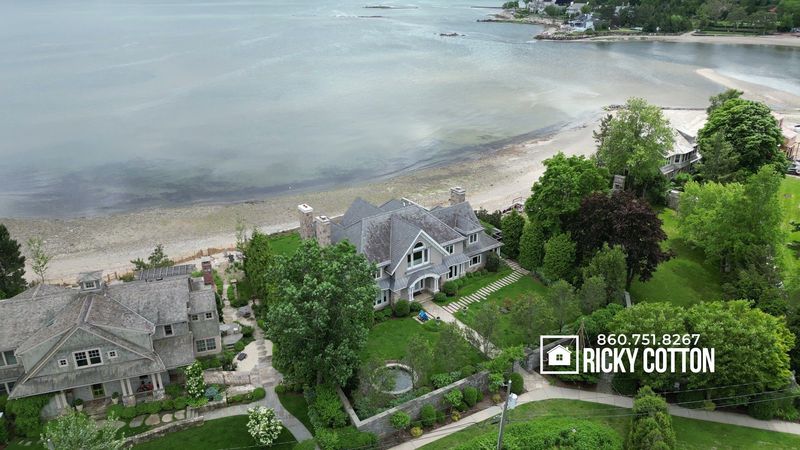
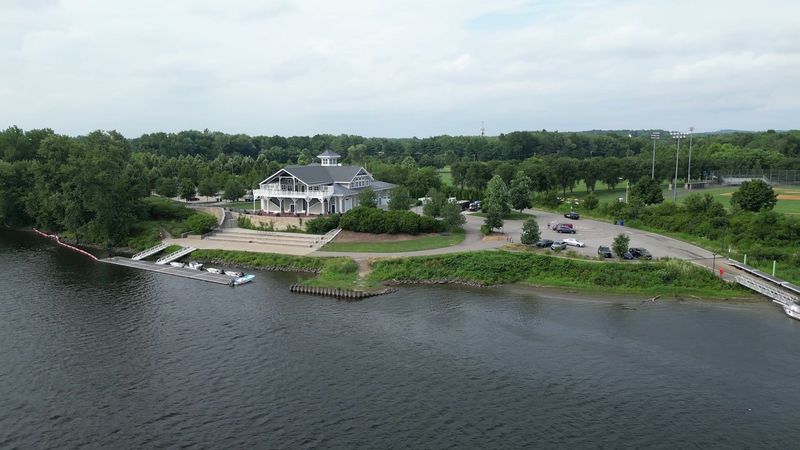
The film opens with an aerial view over the river and the swing bridge. An aerial opening establishes geography at a glance: where the water is, how the town meets it and what the bridge connects. It is also the most recognizable landmark in the film, so a viewer who knows the area will orient quickly and one who does not will understand that the river is central to the place.
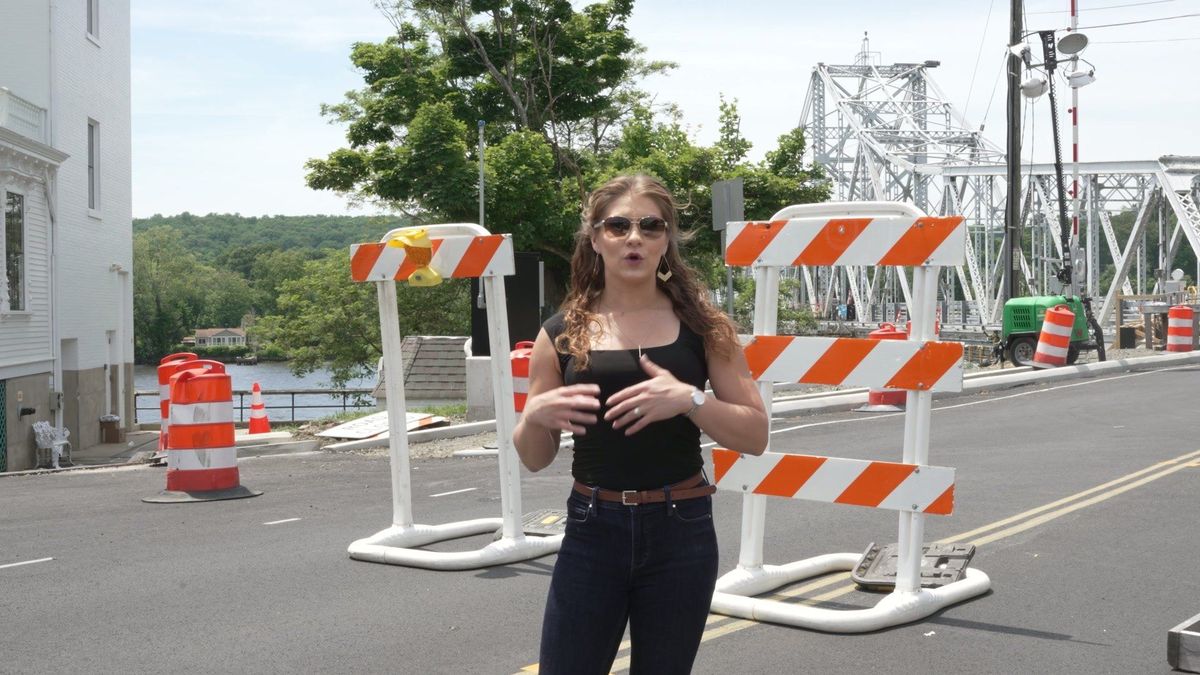
Soon after, the agent appears beside the bridge. The frame shows reconstruction barriers near her, a detail the edit leaves in rather than hides. Keeping a working landmark as it actually looks is a quiet honesty choice. It tells the viewer that this is a real town in real time, not a postcard, and it places the agent in the same ordinary conditions as the audience.
Standing at the landmark also gives the presenter authority without a line of script. She does not need to say that she knows the town. She is shown at one of its best-known spots, speaking to the camera at the landmark.
Water, marsh and hay: the surrounding landscape
Between the introduction and the first conversation, the film widens out to river, marsh and a hay field. These images give the town its setting. They also change the rhythm of the film: after a presenter-led opening, the viewer gets establishing footage that lets the eye rest.
The aerial frame at about 0:22 shows how the river and bridge relate to the land around them. It is the film’s clearest picture of scale, and it is the frame this page uses to introduce the film. A sequence like this is how a community video builds a mental map of a town quickly, which a list of facts in a caption cannot do.
Two local conversations
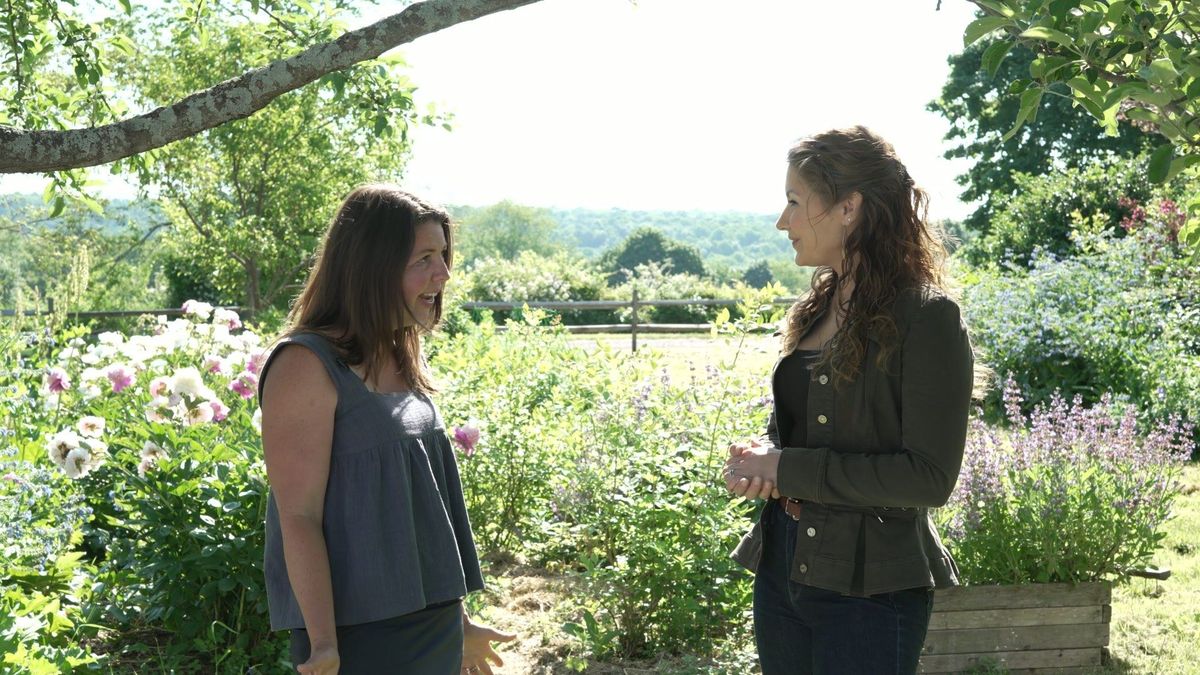
The middle of the film changes from scenery to people. In a garden setting, the agent speaks with a woman who is interviewed on camera. The garden is a good choice for an interview: it is calm and it shows a domestic side of the town that the river and bridge do not.
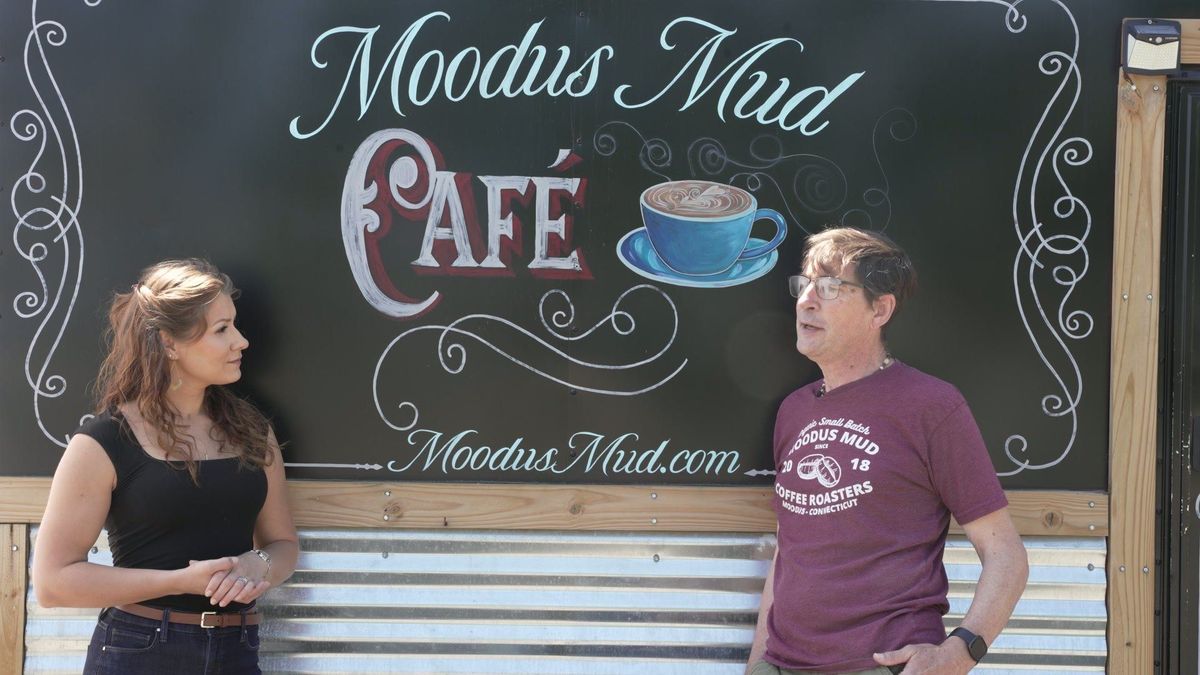
Later, the agent interviews a man at the Moodus Mud Café. The film shows him inside the café and beside its sign. The sign is useful in the edit because it names the place for anyone who knows the town and gives newcomers a destination to remember.
These conversations connect local context to human voices. A town described by its agent is a pitch; a town described by the people who live and work in it is evidence. The film is careful not to overload this idea. Each guest gets enough screen time to say something specific, and the agent stays in the frame as the listener, which keeps the presenter’s role clear.
The café and the local streets
The café interview is the film’s social center. A café is where a town’s regulars and newcomers cross paths, and showing the agent in one tells the viewer that she is part of that circulation. The interview is staged with the sign in view, so even a viewer who watches without sound receives the name of the place.
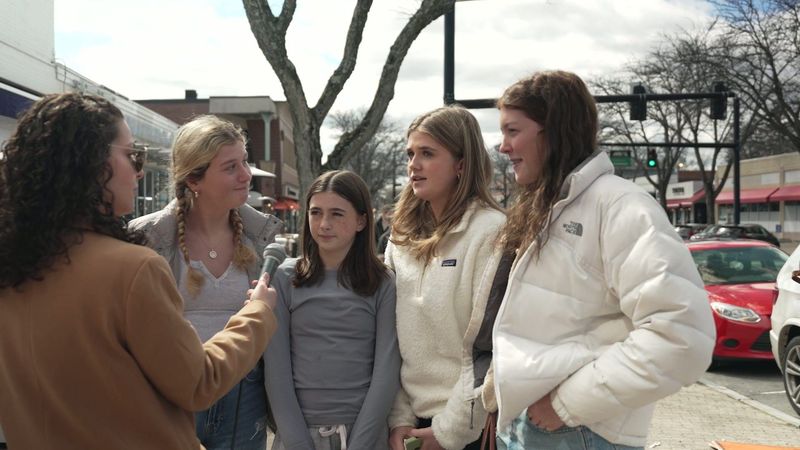
The film also includes shots of local streets, which are brief. They give the interviews context and connect the destinations. In a community video, these in-between images do the work of travel: they let the viewer feel the distance between places without a map.
Devil’s Hopyard State Park and the return to the agent
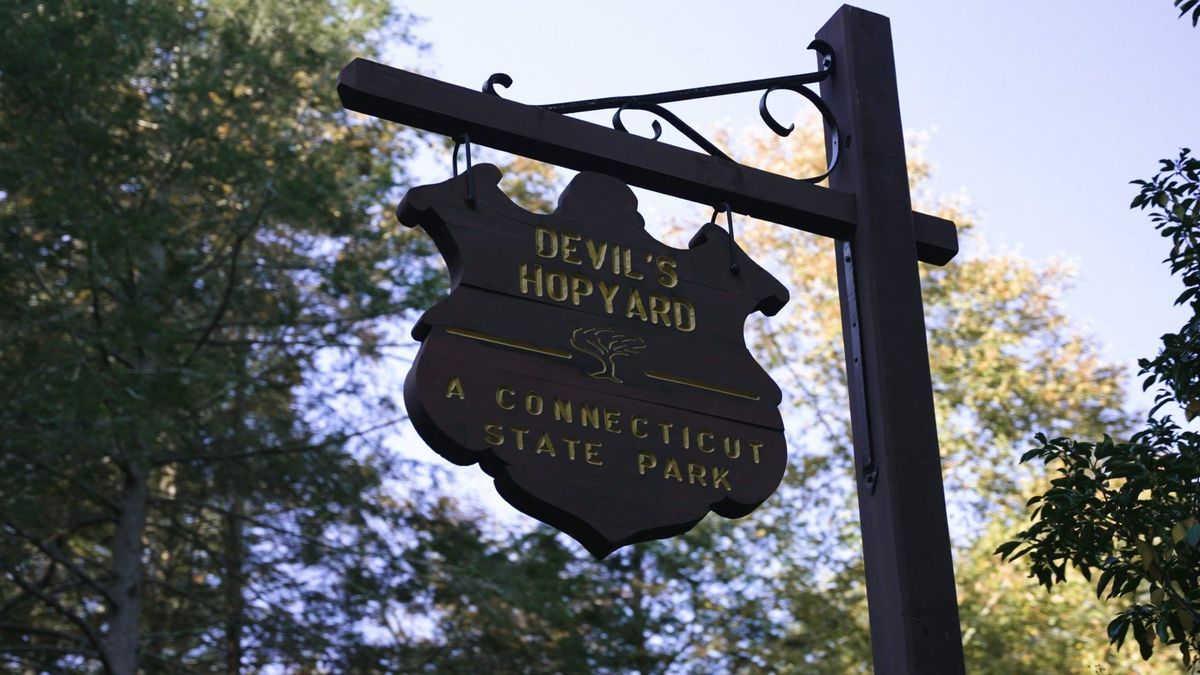
Near the end of the film, a hanging sign introduces Devil’s Hopyard State Park. The park is the film’s widest invitation: a place to go outdoors, close to the town, that a newcomer can visit before deciding anything. Using the park’s own sign as the transition is practical and clear, because the viewer reads the name as the shot arrives.
The presenter then returns to the screen. After several locations and two guests, her reappearance gives the film a human conclusion and prepares the call to action. She is no longer introducing the setting; she is offering to help.
The film closes with a close view of the bridge and the contact end card. Ending on the opening landmark makes the film feel complete, and putting the contact information last means the viewer meets it after the whole picture of the town, not before.
What the finished film accomplishes
As communication, the film does three things. It places East Haddam for people who do not know it. It lets residents speak for the town. And it positions the agent as someone who is present in the community, not only in the market. Together the river, the bridge and the local voices make the film a portrait of the town with the agent in it.
It is also flexible. Because the film is built from distinct sequences, such as the river, the garden, the café and the park, short excerpts can stand alone. A single location sequence can introduce a social post or a neighborhood page without repeating the whole film.
If you are planning a similar film, the real estate video page explains the types of film we make for agents. A short guide to real estate video tour tips covers planning for listings.