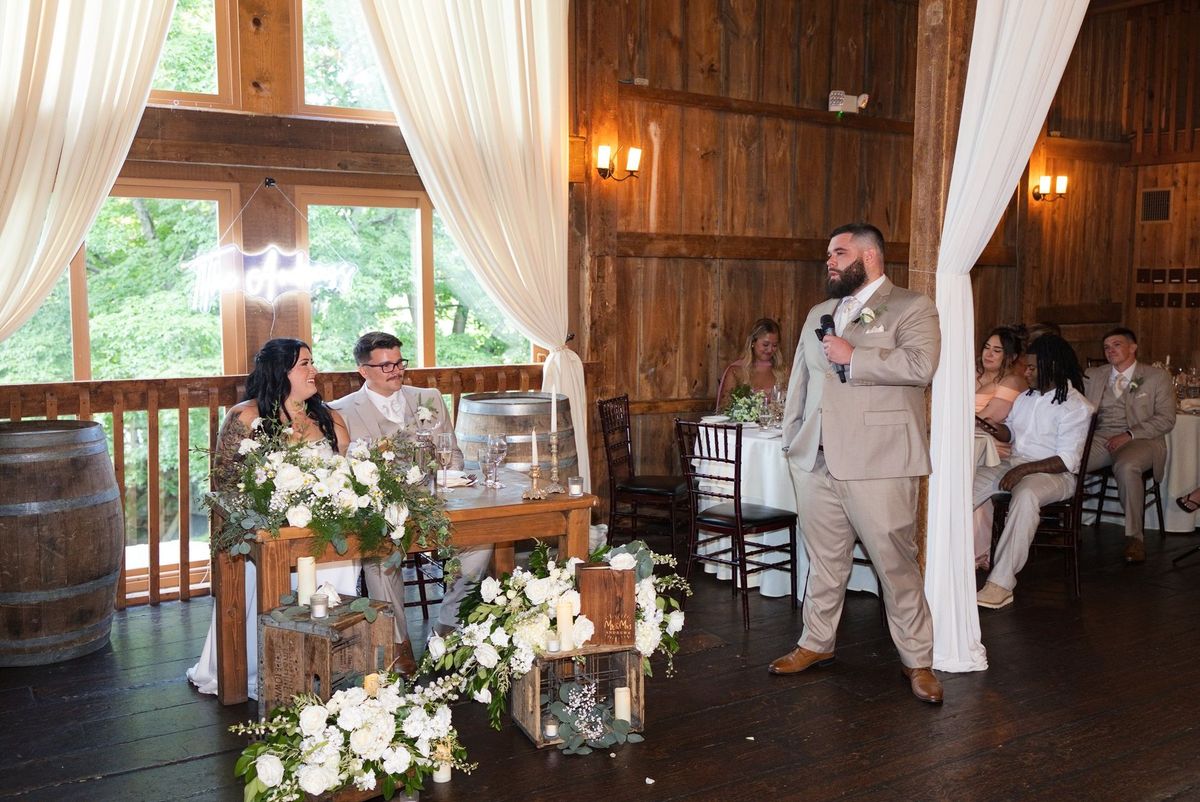
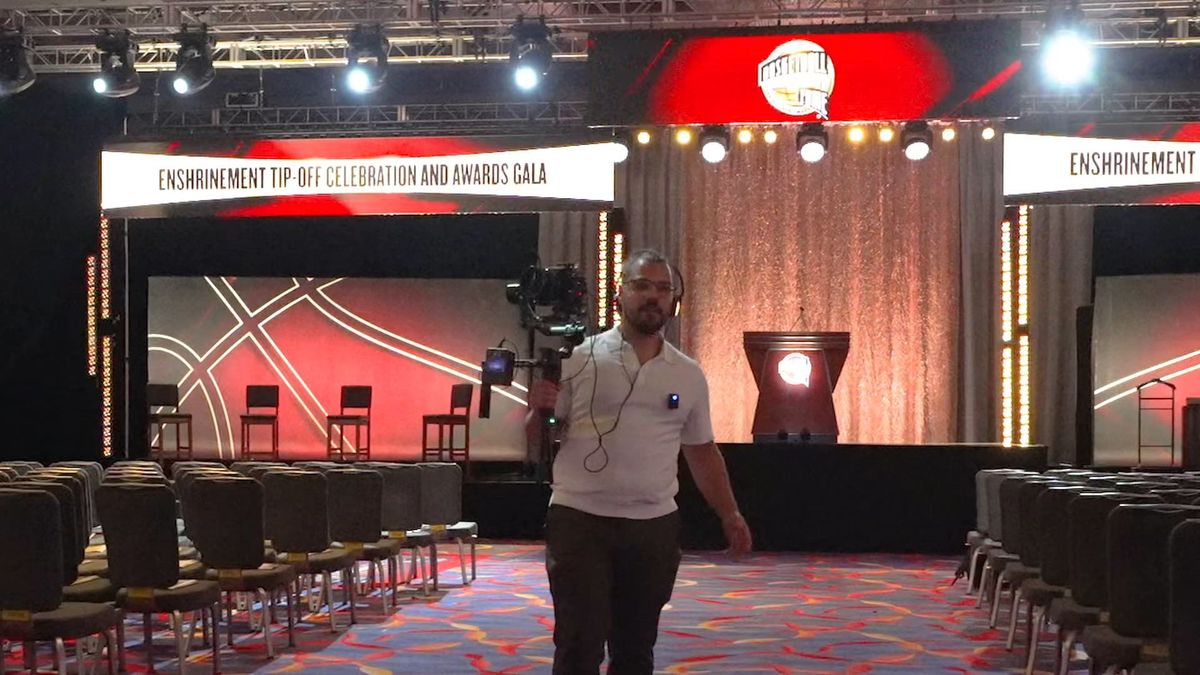
Weddings
Wedding Guest Interviews Without Missing the Event
Guest interviews give you your loved ones' voices, but they take attention. Here is how to plan them so the ceremony, toasts and dancing are still covered, and why that takes two videographers.
By Tyler Rivera 7 min read
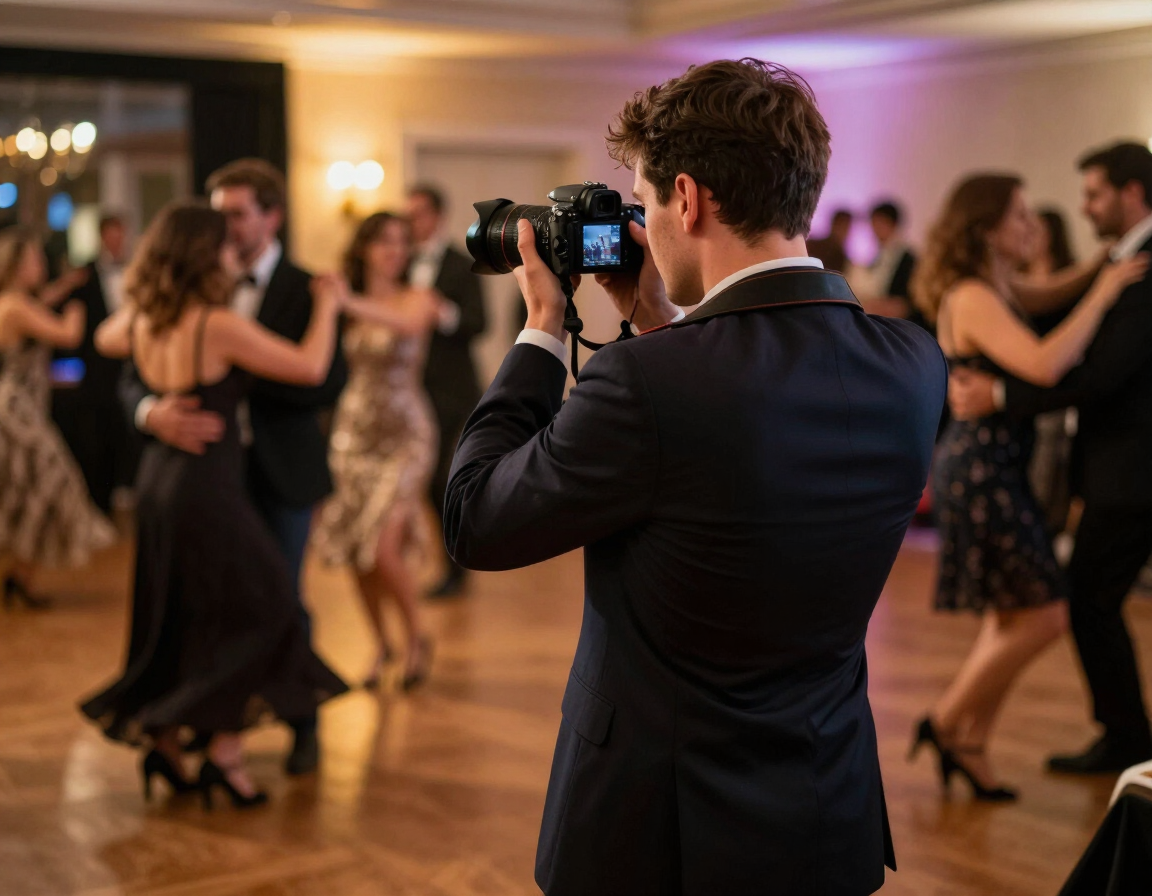
A wedding is full of people who love you, and most of them will never say so on camera unless someone asks. A guest interview video changes that. In a few minutes each, your friends and family tell a story, share a piece of advice or say what they hope for you. Years later, those voices may be some of the most valuable things in your wedding collection.
The catch is that interviews take attention, and a wedding day does not stop while they happen. This guide explains how to plan guest interviews so you get them without losing the ceremony, the toasts or the dance floor. It also explains why we require at least two videographers when interviews are recorded alongside event coverage.
What a guest interview video actually is
A guest interview video is a set of short recorded conversations with the people at your wedding. A videographer sits or stands with a guest, asks one or two questions and records the answer. Some couples ask guests to speak directly to them, while others prefer a casual back-and-forth. Either works, and the choice depends on how comfortable your guests are in front of a camera.
It helps to separate this from the main wedding film. The wedding film follows the day in order: getting ready, the ceremony, the portraits, the reception. A guest interview video gives the guests their own voice. Most couples receive the interviews as a separate video, as short clips, or both, and some weave a few lines into the main film.
If you would like to see how we think about the larger project, our page on wedding guest wishes and interview videos outlines how the service works from inquiry to delivery.
Why interviews and event coverage compete for one person
Imagine a hypothetical wedding with a single videographer. The ceremony ends and cocktail hour begins. You have asked for guest interviews, so the videographer finds a quiet corner and starts talking with your college friends. At the same time, your parents are greeting people at the door, the band is warming up and the caterers are setting out the first course.
Whatever the videographer is doing, they are not doing the other thing. That is not a failing of the person. It is simply how attention works. An interview needs someone who is relaxed, listening and unhurried. Event coverage needs someone who is watching the room, moving and ready to catch a moment as it happens. Asking one person to do both usually means one of them suffers.
This is the reason behind our requirement. When guest interviews are recorded alongside event coverage, we plan for a minimum of two videographers: one focused on the interviews and one focused on the event. Photographers do not count toward that minimum, because they work in a different role.
What each person does
The roles are simple to describe, and keeping them separate is what makes the plan work.
The interview videographer sets up in a quiet place, welcomes each guest and asks the questions. This person is thinking about sound, light and making the guest feel comfortable. Their job is to leave the interview with something clear and warm.
The event videographer stays with the program. They are on the ceremony, the toasts, the first dance and the unplanned moments in between. Their job is to cover the day itself, so the interviews do not come at its expense.
If you also want photography, dedicated photographers work alongside them. A combined video and photo team has dedicated photographers and dedicated videographers, with one or more of each. None of those people switch roles during the day.

Choosing the questions
The questions matter more than the equipment. A guest who is handed a vague prompt tends to say "congratulations" and stop. A guest who is asked something specific often tells a story you have never heard.
Here are the kinds of prompts that tend to work. Pick two or three, not ten.
- How did you first meet the couple, or one of them?
- What is a moment you remember that shows who they are?
- What advice would you give them for the years ahead?
- What do you wish for them?
Keep the questions open, not yes or no. Avoid anything that puts a guest on the spot, such as embarrassing stories, unless you know the person will enjoy telling them. And think about whether you want guests to speak to the camera, to you or to the interviewer. Speaking to the couple often feels the most natural, while speaking to the interviewer often feels the least stiff.
Choosing when and where to record
The best time for interviews is when guests are relaxed and have a few free minutes. For many weddings that means cocktail hour or a quiet stretch between events. Late in the reception, when the room is loud, recording gets harder because background noise competes with voices.
The place matters nearly as much. We look for a corner with decent light and little noise, away from the loudest speaker and the busiest walkway. It should be close enough that guests can find it, and quiet enough that the answers are clear.
Please check with your venue about where we can set up, and tell us about any rooms that are off limits. If your venue has rules about equipment or movement, share them before the day so we can plan around them.
In your planning, it can help to build a small schedule. Here is a hypothetical example to show the idea. It is not a real wedding.
| Time | What is happening | Event videographer | Interview videographer |
|---|---|---|---|
| Ceremony | Vows and rings | On the ceremony | Setting up the interview spot |
| Cocktail hour | Guests mingle | Candid moments and details | Recording guest interviews |
| Dinner | Toasts and speeches | On the toasts | Recording a few more interviews |
| Dancing | First dance and party | On the dance floor | Finished or recording remaining guests |
Helping guests feel ready
Many people freeze when they see a camera. You can make this easier long before the wedding. A short note, perhaps on your wedding website, can say that guests may be asked a question or two and that it only takes a minute. You could also share a couple of the questions in advance for people who like to think first.
On the day, ask a close friend or family member to help. They can gently let guests know where the interview spot is and when it is open. That keeps the interviewer free to focus on the conversation rather than chasing people down.
Some guests will say no. That is completely fine, and no one should feel pressured. The strongest interview videos come from people who want to be there.
What happens if you only want interviews
Some couples want guest interviews but no coverage of the event itself, perhaps because a friend is filming the ceremony or the budget is focused elsewhere. That is possible, but it is scoped differently from interviews plus event coverage. A single interview-focused videographer can plan around that arrangement, because there is no competing job.
If you are not sure which fits, describe your day to us and we will suggest a plan. We would rather help you choose well than recommend more than you need.
Fitting interviews into the larger plan
Guest interviews work best when they are part of a considered plan, not an add-on at the last minute. Our approach goes in a simple order. We start with the whole story of your wedding and the people in it. We look at the specific functions and moments, such as the ceremony and toasts. We choose the moments that matter most. Then we decide what each output is for, such as a wedding film, guest interviews or photos.
We do not promise to film everything. We aim for broad coverage and intentional focus, and the second videographer is part of how we keep both.
If you are building your coverage from scratch, our guide to the wedding photo and video timeline shows how the pieces of a day fit together. If speeches are important to you, wedding speech photography explains how those moments are covered. And if you want to understand how interviews work at other kinds of events, backstage event interview coverage planning covers a related setup.
How combined coverage is organized
When you want video and photos together, we plan the team with dedicated photographers and dedicated videographers. There may be one or more of each. For a wedding with guest interviews, the minimum on the video side is two. Our wedding video and photo packages page explains how these pieces are bundled and what to ask when you compare options.
If you are looking at coverage more broadly, our wedding videography and wedding videography and photography pages describe the full range.
Questions to ask any videographer about interviews
Whoever you hire, a few questions help you compare plans honestly.
- How many videographers will be on site, and who is responsible for the interviews?
- Will anyone covering the ceremony and toasts also be recording interviews?
- Where and when will interviews take place?
- What will I receive, and in what format?
- What happens if guests are slow to come forward?
The answers show you how the plan actually works. A plan that depends on one person doing everything at once is worth asking more about.
The next step
Write down the names of the five or six guests you would most like to hear from, and two or three questions you would like to ask. Then send us your date and venue. We will talk through the timing, the team and the format, and tell you honestly what we recommend. You can start from our page on wedding guest wishes and interview videos or contact us directly.