What a testimonial video can and cannot do
A written review tells a prospect what happened. A video lets them hear how the person feels while they say it. That is why testimonials are especially useful for services where trust is the main hurdle: professional services, contractors, healthcare practices, schools and anything where the first call feels like a risk.
What a testimonial cannot do is prove a promise on its own. If a customer says a project was finished smoothly, viewers will believe it more readily when the video also shows the work. We plan for supporting footage so the story is more than a talking head.
Choosing who to invite
The best testimonial subjects are not always your biggest customers. Look for someone who had a specific problem, can describe it clearly and is happy to talk about the experience. A variety of voices is more useful than several versions of the same story: a first-time buyer, a long-term client, someone who had a complicated job.
- Invite people who have already said something positive and specific in an email, a review or a conversation.
- Offer a choice of locations: their workplace, yours or a neutral space, whichever feels easiest.
- Explain how the video will be used before they agree, including where it will appear.
- Make it easy to say no. A pressured participant never sounds comfortable.
Participants should understand that they can review the finished video and that nothing will be published without their approval. This protects the relationship and keeps the process honest.
Open-ended questions that get real answers
The questions decide the quality of the interview. A yes-or-no question produces a one-word answer. An open question gives the person room to tell a story. We prepare a short list in advance but follow the conversation, because the best moments often come from a follow-up.
- What was happening in your business when you decided to look for help?
- What did you worry about before you started?
- Can you walk me through what the process was like?
- Was there a moment when you felt confident about the decision?
- What would you say to someone considering the same step?
We avoid leading questions that put praise in the speaker's mouth, such as “Wasn't our team great?” Instead, we ask what stood out and let the person decide. Our article on planning customer testimonial interviews goes into greater detail about shaping questions that sound like real people.
Helping nervous people relax on camera
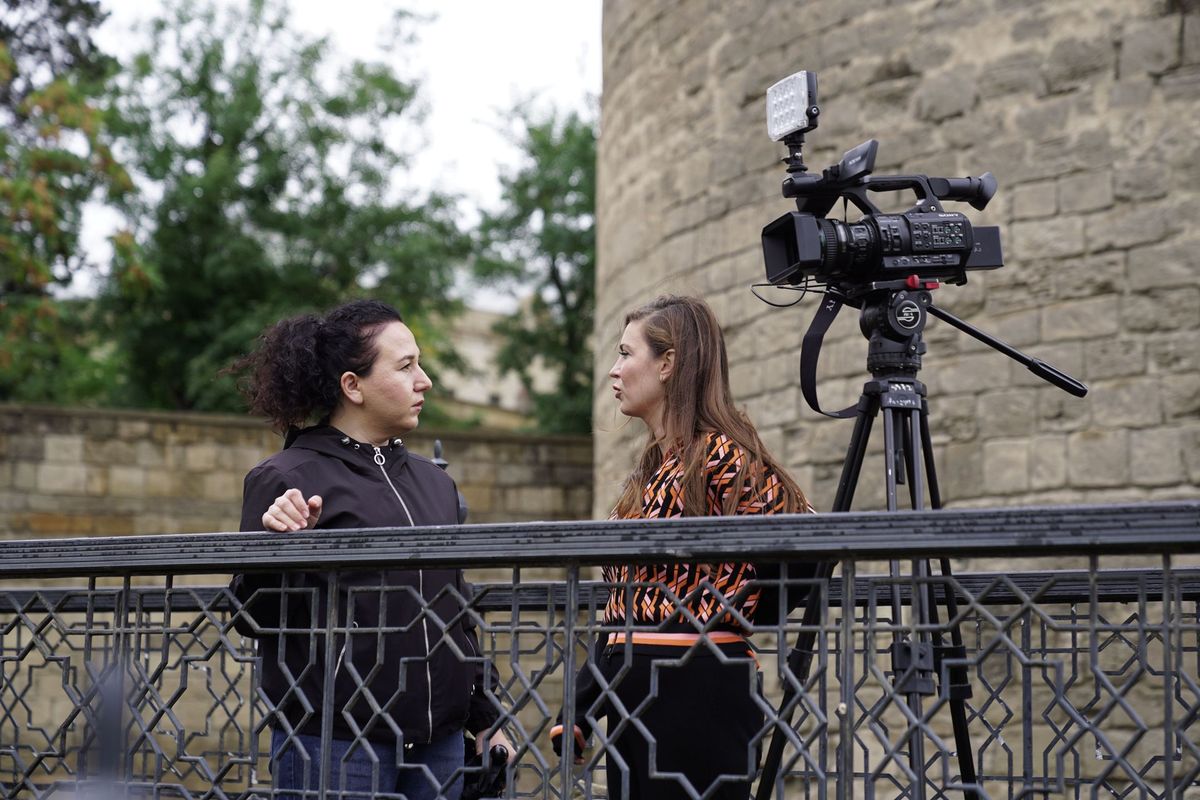
Most customers have never been interviewed for video. They may worry about saying the wrong thing or appearing unprofessional. We start with a few minutes of ordinary conversation before recording, explain that we can stop and begin again at any time and make clear that we are looking for their honest account, not a performance.
- Seat people comfortably and keep the crew small so the room feels like a conversation.
- Ask them to look at the interviewer, not the lens, which feels more natural.
- Remind them to answer in full sentences that include part of the question, so an answer can stand alone.
- Let silences happen. People often add the most useful detail after a pause.
If someone struggles with a particular answer, we move on and return to it later from a different angle. Often the second time comes out in simpler words.
Setting, lighting and sound
The setting should say something about the person. A contractor at a finished job, a clinic owner in the waiting room, a parent at a school event all give context before the first sentence. We look for a quiet corner within the space, soft window or controlled light and a background that is tidy but not sterile.
Audio is the first thing viewers notice when it goes wrong. We place a microphone close to the speaker and avoid rooms with echo, air conditioning noise or nearby traffic when we can. If the location cannot be quiet, we may suggest a different room or time of day.
An honest edit
Editing a testimonial means shortening it without changing the meaning. We remove false starts and repetition, keep the order of ideas that matters to the viewer and avoid stitching together sentences from different parts of the interview if it would suggest something the person did not say.
- Review the full interview and mark the clearest, most specific moments.
- Build the sequence around the speaker's own story, not a script of what you wish they said.
- Add supporting footage where the person describes something that can be shown.
- Share the cut with the customer for approval before it is final.
- Add captions so the video works when the sound is off.
Claims inside a testimonial need to be supported. If someone says a project saved time or money, make sure the statement is accurate and that you can back it up. Matching testimonial claims with supporting footage shows how to review these statements before publishing.
A relaxed shoot day
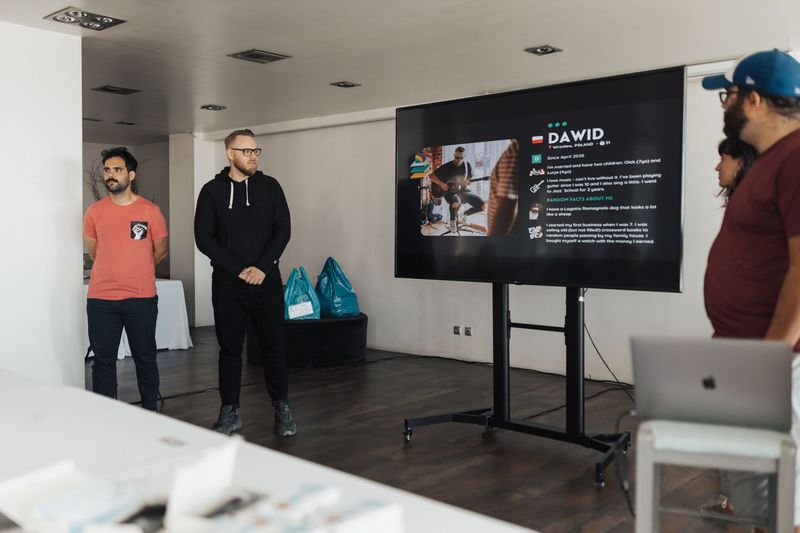
Most testimonial interviews take less than an hour of shooting, plus time to set up. We arrive early, prepare the space and greet the customer as a guest. After the interview we record supporting footage and, where relevant, a short sequence of the speaker doing something ordinary at their workplace.
If several customers are available in one day, we schedule them with enough time to reset lighting and sound between interviews and to avoid rushing anyone. Group sessions in one location are efficient but should be arranged carefully so each person has a private moment to speak.
Preparing for a corporate video shoot covers the access, parking and scheduling items that apply to customer visits as well.
Using testimonials where they help
A testimonial belongs near the decision it supports. Place it on the service page it relates to, beside a quote form, in follow-up emails or in a sales presentation. A short excerpt can run on social posts with a link to the longer version.
Measure by whether people who watch go on to ask for a quote or call. Compare similar periods and notice whether the testimonials you placed on a specific page change how visitors behave on that page. Keep expectations realistic; testimonials support trust but are one factor among many.
You can also see how we present client feedback on our own testimonials page, alongside the work we have shown on our portfolio.
Permissions, review and respect
A testimonial belongs to the person who gave it. Before shooting, we recommend a short written release that states where the video may appear and for how long. The customer should know they can ask questions, and they should be told plainly that the interview is about their experience, not an endorsement they are obliged to make.
Offer every participant the chance to see the finished video before it goes live. Most will approve it without changes, but some will notice a name spelled wrong, a detail that has changed or a line they would phrase differently. Responding quickly to those requests keeps the relationship strong and the video accurate.
- Keep the signed releases with your project records, with the date and the intended uses.
- Do not quietly extend the use of a testimonial to a new campaign without checking in.
- If a customer later asks to have a video removed, plan to do so promptly and remove it from the places you control.
- Avoid compensating people in a way that could appear to buy praise; if you thank customers with a gift, keep it modest and mention it where required.
Common mistakes we help you avoid
The first is choosing only the happiest customer. A person who had a bump in the road and saw it resolved can be more convincing than someone who simply says everything was perfect. The second is asking leading questions that put words in someone's mouth. The third is over-editing, which strips the pauses and hesitations that make speech human.
Another is forgetting the viewer. A testimonial should include enough context for a stranger to follow: what the business does, what the customer needed and roughly what happened. If you have to explain it on the page beside the video, the video has missed something.
What affects the scope
Testimonial video ranges from a single customer interview to a series. The cost is influenced by the number of interviews, the locations, the amount of supporting footage, editing time and the versions you request, such as short social cuts and captions. Travel between customer sites adds time that we plan for.
If you also plan to add team introductions or a brand story, combining sessions can reduce setup. We talk through the combination during planning, and you can see more about corporate video production for the wider context.