Decide who you are speaking to
A video that tries to appeal to every possible candidate speaks to no one. Start with a specific role or group: technicians, nurses, drivers, entry-level hires, experienced managers. Write down what that person is likely wondering before they apply, such as the schedule, the training, the equipment, the people and the way the team treats mistakes.
Those questions are the outline of the video. If the honest answer to a question is not appealing, such as early start times or physically demanding work, include it with context. Candidates who see the real conditions and still apply are more likely to stay, and those who decide it is not for them have saved everyone time.
Showing a realistic day
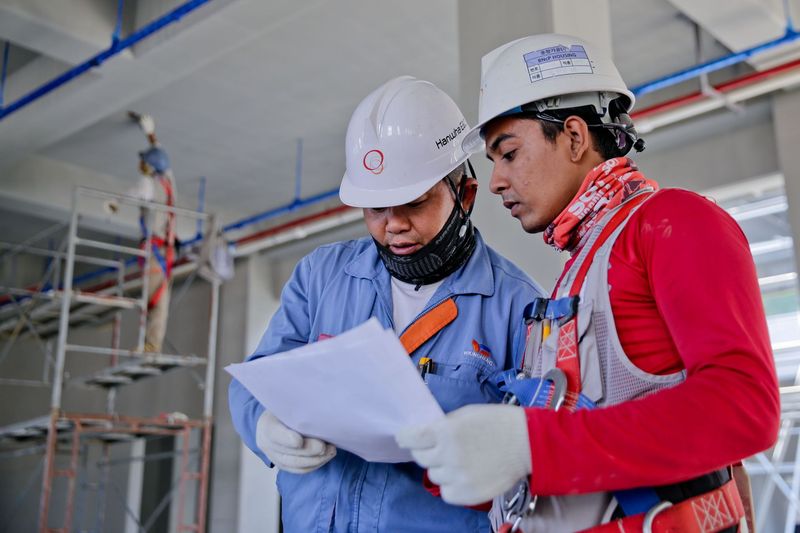
The strongest structure is often a day in the life: arriving, getting briefed, doing the work, working with others and finishing. We follow one or two real employees through the parts of the day that matter most to the candidate, and we record the actual workspaces, tools and routines.
- Arrival and start of the day: where people park, check in and meet the team.
- The core tasks: what the person spends most of their time doing.
- Support: who they ask when they are unsure, and how training works.
- Breaks and shared spaces, if they are part of the culture.
- The end of the day and what people do next.
Our guide to planning an authentic company recruiting video explains how to select the day and the people so the result feels true.
Choosing and preparing employee voices
Candidates want to hear from people doing the job, not only from leadership. Choose employees with different tenures and backgrounds, who speak plainly and are willing to be on camera. Participation should be voluntary, and anyone should be free to decline without consequence.
We prepare people with a few questions in advance, never a script: what do you do, what do you like about it, what was hard at first, what do you wish you had known? During the interview we follow their lead. We ask them not to repeat marketing phrases, because candidates recognize them quickly.
- Agree on a short list of topics the company wants covered, such as training, schedule and advancement.
- Do not feed people lines. Ask for stories instead.
- Let employees review how they appear before the video is released.
- Respect anyone who does not want their face or name shown.
Directing nervous non-actors
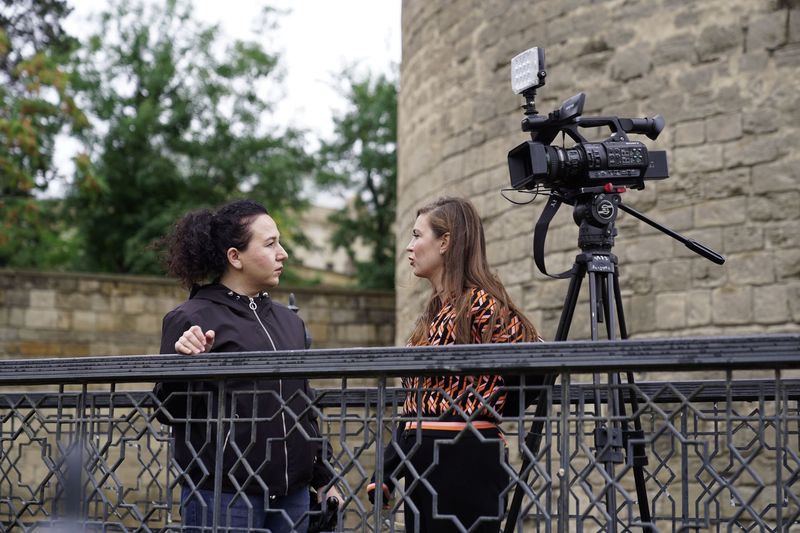
Most employees have never been interviewed on camera and worry that they will say something wrong. We reduce the pressure by starting with simple questions, keeping the crew small and recording people doing their ordinary work first. Moving, handling tools and talking while working often relaxes someone before the sit-down interview.
If a person freezes, we change the setting or the question rather than push. A walking conversation or a task they enjoy can unlock a natural voice. We also tell people at the start that we only use the best moments, and that they will see the draft.
We also separate the people we shoot from the questions we use. Some employees are better on camera while working, others in a short seated conversation. Deciding that in advance, with the employee, means nobody is surprised on the day and the final video includes voices that sound at ease rather than rehearsed.
Lighting, background and sound
Recruiting video should look like your workplace on a typical good day, not a staged set. We use the real spaces and enhance them with careful lighting, tidy backgrounds and camera positions that show the environment honestly. If there are distractions or areas that should not be shown, we plan around them in advance.
Sound matters because candidates need to hear the people clearly. We use close microphones for interviews and capture natural sound in the workplace, which can be blended at a gentle level to convey the atmosphere. Where machines or traffic are too loud for interviews, we choose a quieter room or schedule the interviews at a calmer time of day.
How the shoot day runs
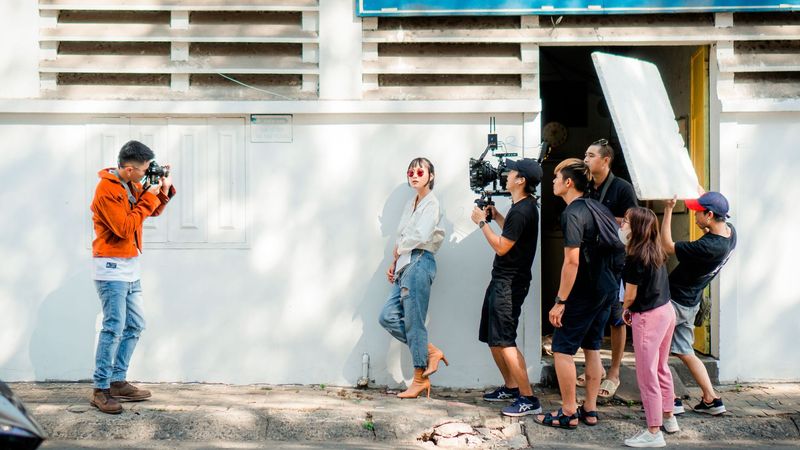
A recruiting shoot is built around the people's schedules, not the camera's. We keep disruption small by recording the workday as it happens and arranging interviews during natural pauses.
- Meet the point person and review the plan, locations and any places that must not be recorded.
- Record the arrival and the work, following the planned employees through their normal tasks.
- Record interviews in a quiet space in short sessions.
- Capture exterior views, shared areas and details that give a sense of place.
- Confirm releases and note anyone who prefers not to appear.
If you also want individual introductions for your team page, consider employee bio videos, which can be recorded alongside; recording them during headshot day is one efficient approach.
Editing for honesty and length
A recruiting video works best at one to three minutes on a careers page, with shorter cuts for social media and job boards. In the edit we choose clear statements from employees, use working footage to illustrate what they describe and keep text to the essentials: role titles, locations and how to apply.
We avoid narration that sounds like an advertisement and avoid claims that cannot be supported, such as rankings or benefits that vary by position. If benefits or pay are mentioned, your human resources contact should confirm the wording. The final line should tell the viewer what to do next, such as visiting the careers page.
Using the video and measuring what matters
Put the video where candidates look: the careers page, the job post, social media and the confirmation message after someone applies. Share it with new hires and ask what they thought. Their feedback tells you whether the video matched their experience.
Useful measures include whether applicants mention the video, whether candidates arrive better prepared, and whether early turnover changes over time. Be careful about drawing strong conclusions from a short period; hiring is affected by many conditions beyond a video.
A brand story video can complement recruiting by explaining the company's history and values.
Showing the whole workplace fairly
A recruiting video is a picture of who works at your company and who belongs there. We encourage you to include employees from different roles, shifts and levels of seniority, and to avoid staging a team that does not reflect the actual workplace. Candidates will notice the gap on their first visit.
- Ask supervisors to nominate a range of people, then invite them without pressure.
- Show roles that are often overlooked, such as maintenance, dispatch or administration, if candidates may apply for them.
- Be clear about accessibility, including entrances, parking and accommodations, where relevant and accurate.
- Avoid wording that implies a preference for a particular age, gender or background.
- Check that any benefits or flexibility shown are available to the roles you are hiring for.
Common pitfalls
Overproduced videos with perfect lighting and no one speaking can look like an advertisement and leave candidates unsure what the job entails. Another is shooting only leaders, so the video says little about daily life. A third is making promises about pay, schedule or advancement that differ by role.
Timing also matters. Shooting during a quiet week may give a false sense of the workload; shooting during the busiest day can feel chaotic. We usually suggest a typical day and, if possible, an additional short visit to capture a different pace. Finally, make sure the careers page is ready, so interested viewers can take the next step right away.
What affects the scope
Scope depends on how many roles you want to cover, the number of employees interviewed, the locations, the time needed to follow the workday and how many versions you need. Multi-shift workplaces or sites with access limits may require extra planning. We discuss these details in an initial conversation and shape the shoot to fit your operation.
To see how this fits our wider services, read about corporate video production. Or look at the planning for team videos and production edits if your team prefers to record some footage itself.