What a brand story video is, and is not
A brand story explains why your business exists and why it works the way it does. It is slower and more personal than a promotional video, which compresses the case for hiring you into a short pitch. A brand story can take its time because the viewer who reaches it is already curious: a prospect considering a larger commitment, a candidate learning about the company or a partner deciding whether to work with you.
It is not a list of values. Words like quality, integrity and service appear on nearly every company website and tell the viewer very little. A story shows these ideas through specific moments: the day a customer called with a problem nobody else would take, a decision to keep a process by hand, a change in direction after a hard year.
Finding the story you can support
We begin with conversations, not a script. We talk to the founder, long-serving employees and, when appropriate, customers who have worked with you for years. The goal is to hear the details that people tell naturally: how the business started, what almost went wrong, what the first customers were like and what has stayed the same.
- Origin: who started the business, when and why, in the founder's words.
- Turning points: moments that changed how you work, such as a new location, a new service or a lesson learned.
- People: team members whose experience shows what the company values in practice.
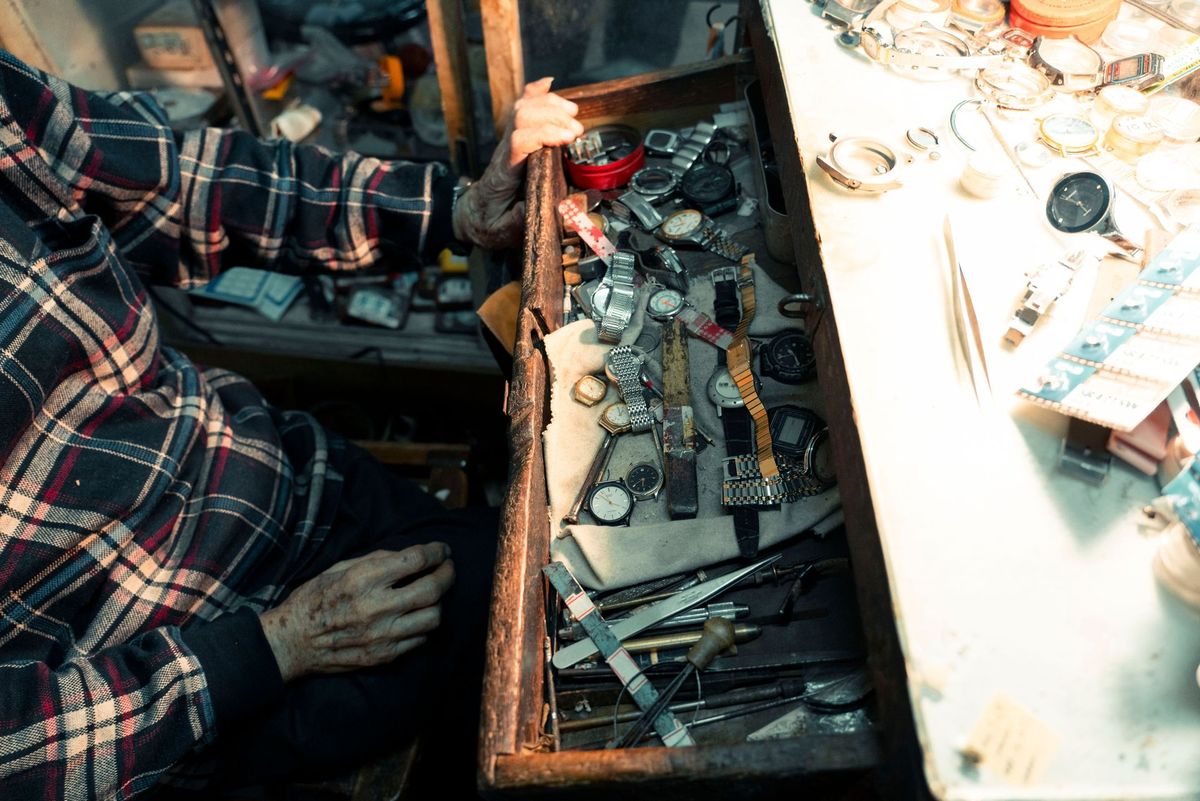
- Place: the building, the neighborhood or the equipment that has history of its own.
- Evidence: records, photographs, awards or objects that can be shown rather than described.
Only include claims you can support. If you say the business has operated for decades, be ready to show the founding date or an early document. This protects your credibility and gives the editor real material to work with.
Archive material and permissions
Old photographs, newspaper clippings, signage, price lists and early products give a brand story depth. They also raise questions about who owns them and who appears in them. Before we use archive material, we confirm that you own it or have permission, and that the people shown would be comfortable with its use.
- Collect materials early, even if you are unsure they will be used.
- Note where each item came from and who has the rights, such as a photographer, a publication or a family member.
- Ask current and former employees for permission to show them or their stories.
- Scan or photograph items at high quality; we can do this during the shoot if you prefer.
- Keep a simple list of what was approved, for later reuse.
The article on ownership and usage rights lists questions to settle in writing, both for material you provide and for the footage we create.
Structure, length and where it lives
Most brand stories follow a simple arc: a beginning, a challenge or turning point and where the company is now. The end should connect to the viewer's decision, whether that is to contact you, apply for a job or understand what to expect from working with you.
Length follows depth. A two- to four-minute piece can carry a founder's story with archive material and a few team voices. Shorter cut-downs can serve social posts, while the longer version suits an about page. We plan shorter versions while shooting, so the footage supports both.
A brand story often shares footage with other videos. If you are also planning team introductions or a hiring video, one corporate shoot can serve website, social and ad uses with less disruption to your team.
Interviewing founders and long-time staff
Founders often know the story well but have never told it to a camera. Long-time employees may be more reluctant, worrying that they are not important enough. We approach both with the same method: a conversation, short questions and permission to restart.
- Ask people to tell specific stories, such as “What do you remember about the first big job?”, rather than general summaries.
- Follow the details: names of places, objects, seasons, smells and sounds make a story vivid.
- Let people disagree with each other's memory; the edit can use the version that is better documented.
- Never script emotion. If a moment is moving, it will show without direction.
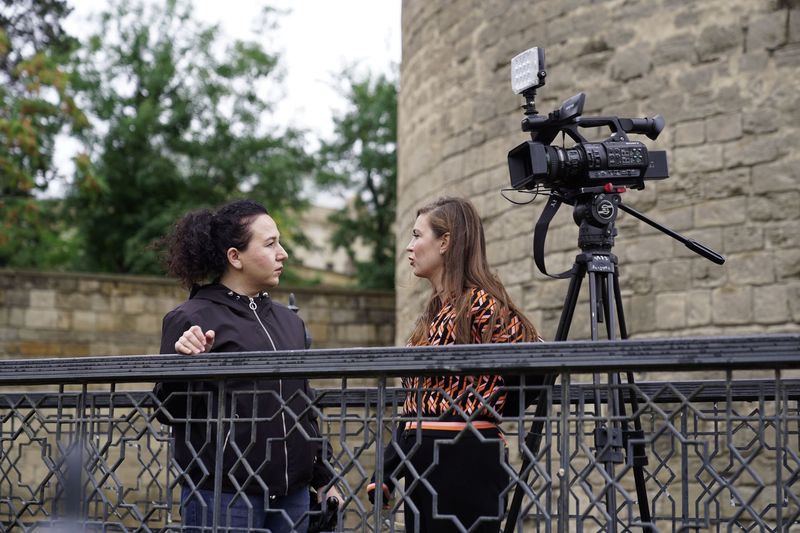
We record each person separately to avoid performing for one another, and we keep the crew small so the room feels like a conversation.
Lighting, setting and sound
The setting does much of the storytelling. An interview in the original workshop, beside a long-used piece of equipment, or at a desk that has been in the family for years gives the viewer context. We choose places with natural character and use soft, controlled light to keep faces comfortable and textures visible.
We pay particular attention to sound. Voices in a story-driven video need to feel close and unhurried. We record in the quietest practical space and capture some ambient sound of the workplace, which can be used under narration to create a sense of place. Audio post-production helps balance voices, ambience and music.
Editing with honesty
In the edit we build the story from the interviews, using archive material and current footage to support what is said. We avoid rewriting history with convenient cuts, and we ask the people involved to review how they appear. If someone remembers a date or a detail differently from the documents, we check and use the correct version.
Music should support the mood without overwhelming speech, and we license it properly for the uses you plan. Titles and captions are kept simple: names, places and dates. A brand story does not need a slogan at the end; a clear next step and your contact details are usually enough.
Using the story and judging whether it helps
Place the brand story where people look for context: on the about page, in recruiting materials, in proposals and in onboarding for new staff. A short cut can introduce the longer story on social media.
Measure with questions rather than only numbers. Do prospects mention the story when they call? Do candidates refer to it in interviews? Do clients say they feel they know the company? These are modest signals, but they tell you whether the story is doing its job.
For examples of how we present businesses and people, see our portfolio.
Common pitfalls in brand stories
The most frequent problem is a story that sounds like every other company's: we started with a dream, we care about quality, our team is a family. These lines are rarely false, but they are rarely memorable. Replace them with a detail: the street where the first office was, the repair that took all weekend, the customer who still calls.
- Overreaching claims, such as being the best or the first, that cannot be backed up.
- Too many voices, which blurs the story; choose three or four people who each add something different.
- A long preamble before the viewer meets anyone; start with a person or a place.
- Music that overwhelms the speakers or does not match the character of the business.
- Leaving out the present; a story about the past should end with what the company does now.
After release: keeping the story alive
A brand story is not finished when it is published. Keep your archive organized so new material can be added: a new building, a milestone year, a retiring employee's recorded memories. Many companies record a longer interview with a founder or long-serving employee while they are available, which becomes an asset for later projects.
Revisit the video every year or two to check whether the facts are still correct. Dates, locations and team members change. A small update, such as a new closing shot and adjusted title cards, can keep a good story current without a full remake.
What affects the scope
Scope depends on the number of interviews, locations, archive items to scan and clear, the amount of working footage and the number of versions. Research and rights clearance take time, so we recommend starting early. A story with a single founder interview and a few photos is a different project from one with several generations and extensive materials.
We shape the plan after listening to the story and learning where it will appear. You can read more about our corporate video production services, or consider an employee introduction video for individual team members.