
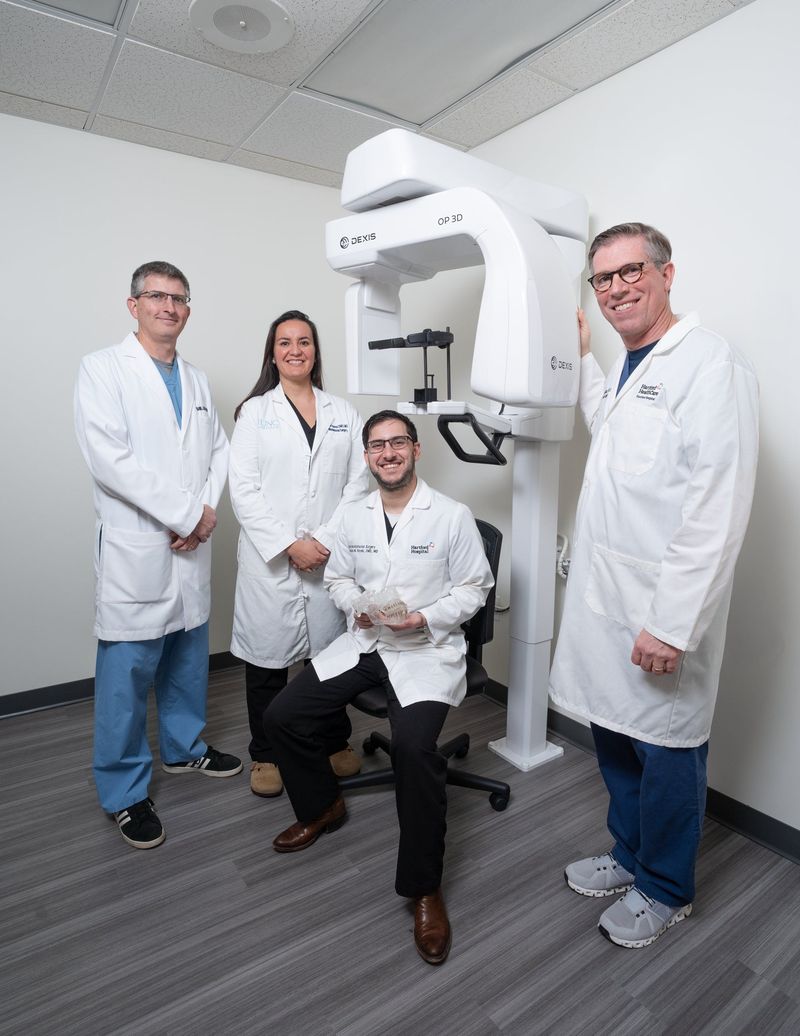
Dental team and treatment-room photography
Avon Dental Group
A white-coat team portrait and treatment-room scenes from an Avon dental practice.
Explore the projectMedical aesthetics practice photography
Treatment rooms, recovery spaces, equipment and people photographed for Youthful Images, an Avon aesthetics practice featured in The Valley Book.
Photographed for The Valley Book.

Youthful Images is an aesthetics practice in Avon, Connecticut, led by Dr. Patrick Felice. The practice describes more than thirty years of surgical and nonsurgical aesthetic care, and its Avon facility includes spaces for consultation, a med spa, surgery and hair restoration.
An editorial feature has to introduce both the people and the environment. We photographed Youthful Images for The Valley Book, bringing portraits, treatment spaces, equipment and the front desk into one selection. The opening portrait gives the story a person to begin with, while the room photographs widen that introduction.
The portraits keep people connected to the practice through the furniture, counters and equipment around them. The room views then show the setting at a different scale, making the surroundings a useful part of the story.
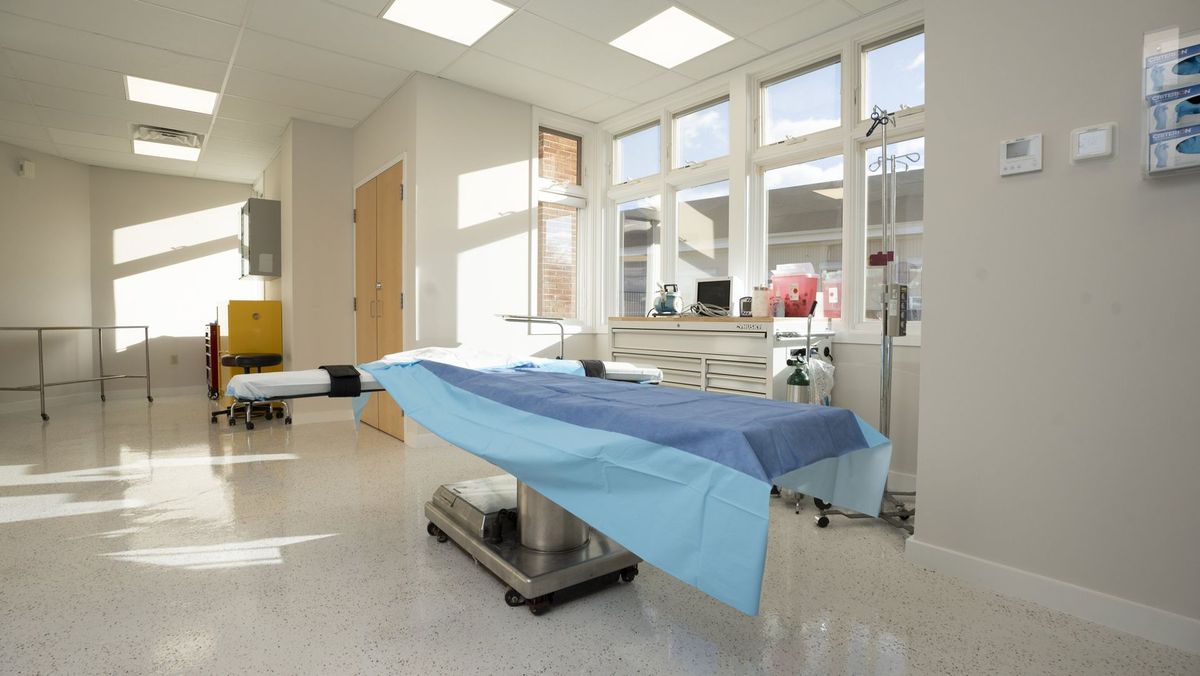
In the finished frames, neutral walls, open floor space and a few strong accents make the rooms easy to read. The blue table cover, floral wall and dark reception counter each give a different area its own visual character.
Learn more: About Youthful Images
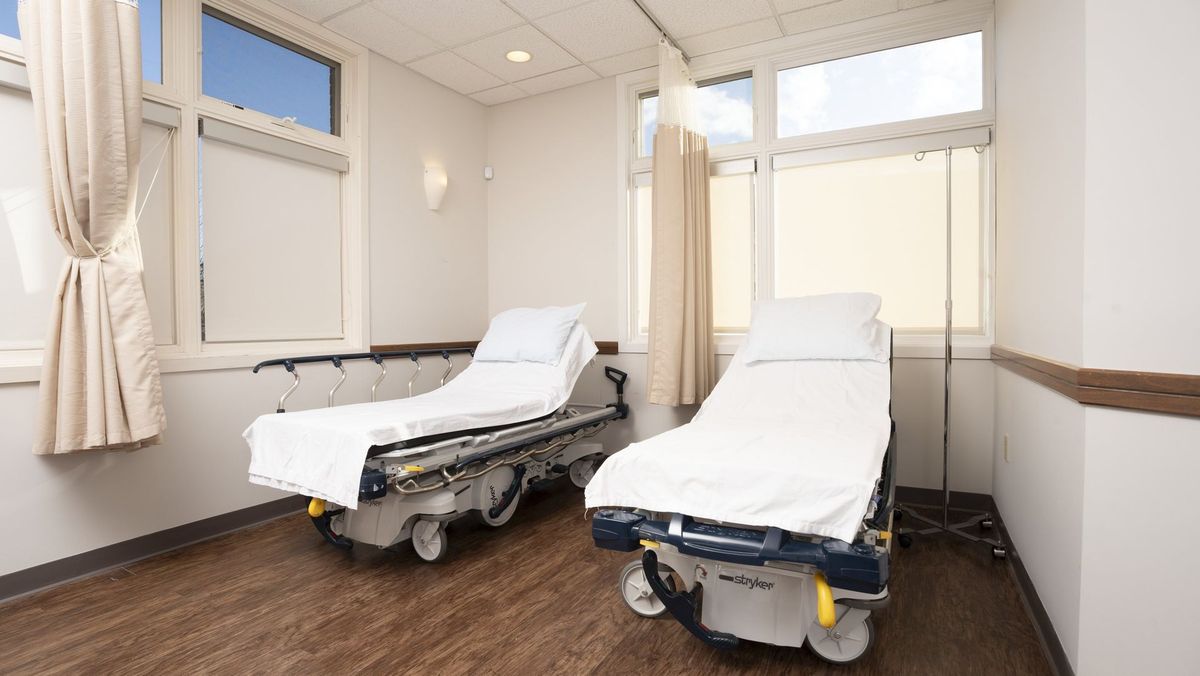
The wide frames show the rooms as a visitor would meet them. A treatment chair and equipment sit in a neutral-toned room; a bright clinical room has a blue-covered table and large windows; two recovery beds stand beside curtained windows.
Neutral tones and large windows keep each room readable, and the single blue table cover becomes a quiet point of color. Showing the beds beside curtained windows gives a reader a sense of how a recovery space looks and feels, without a word of copy.
Together, the wide frames show several kinds of space within the practice. The repeated neutral palette links them visually, while the furniture and equipment distinguish one room from another.
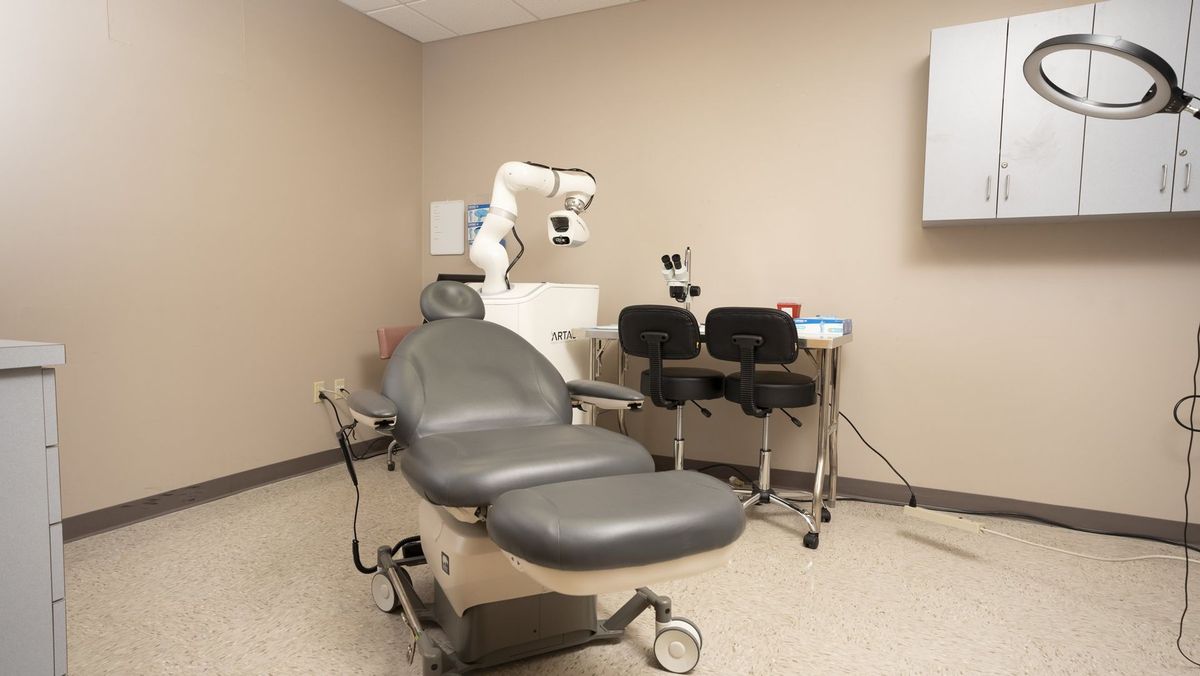
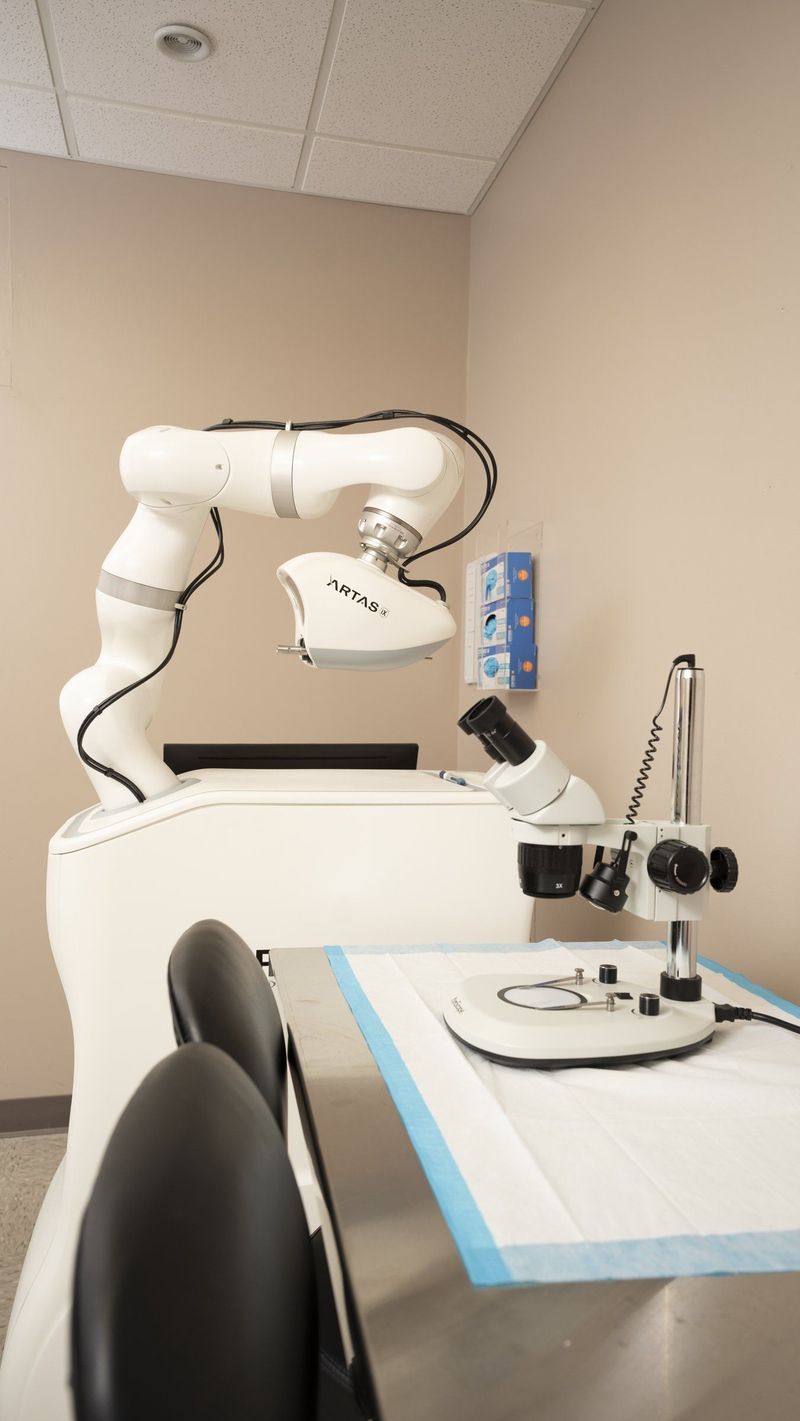
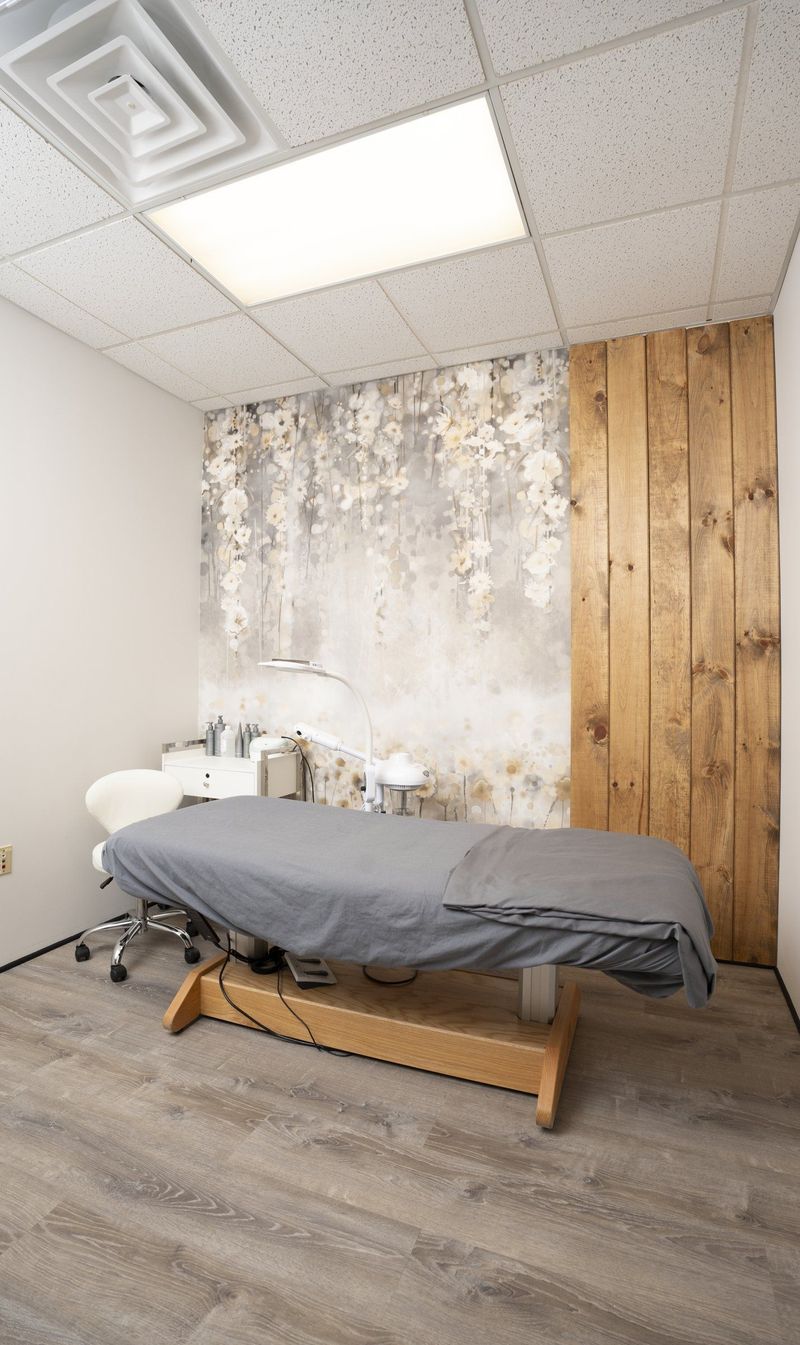
Close, upright frames handle the details. An articulated clinical device stands beside a treatment chair, a treatment bed sits in a room with a floral accent wall, and a woman is seated at a counter beside an illuminated mirror.
These images give variety to the set. Where the wide frames show how much space there is, the tall ones show texture and equipment up close. The floral wall is the warmest note in the set, a reminder that a clinical space can still feel personal.
Detail frames also help designers. When a page needs a small image beside a heading, a tight shot of a device or a mirror works where a wide room would turn into a muddle at that size.
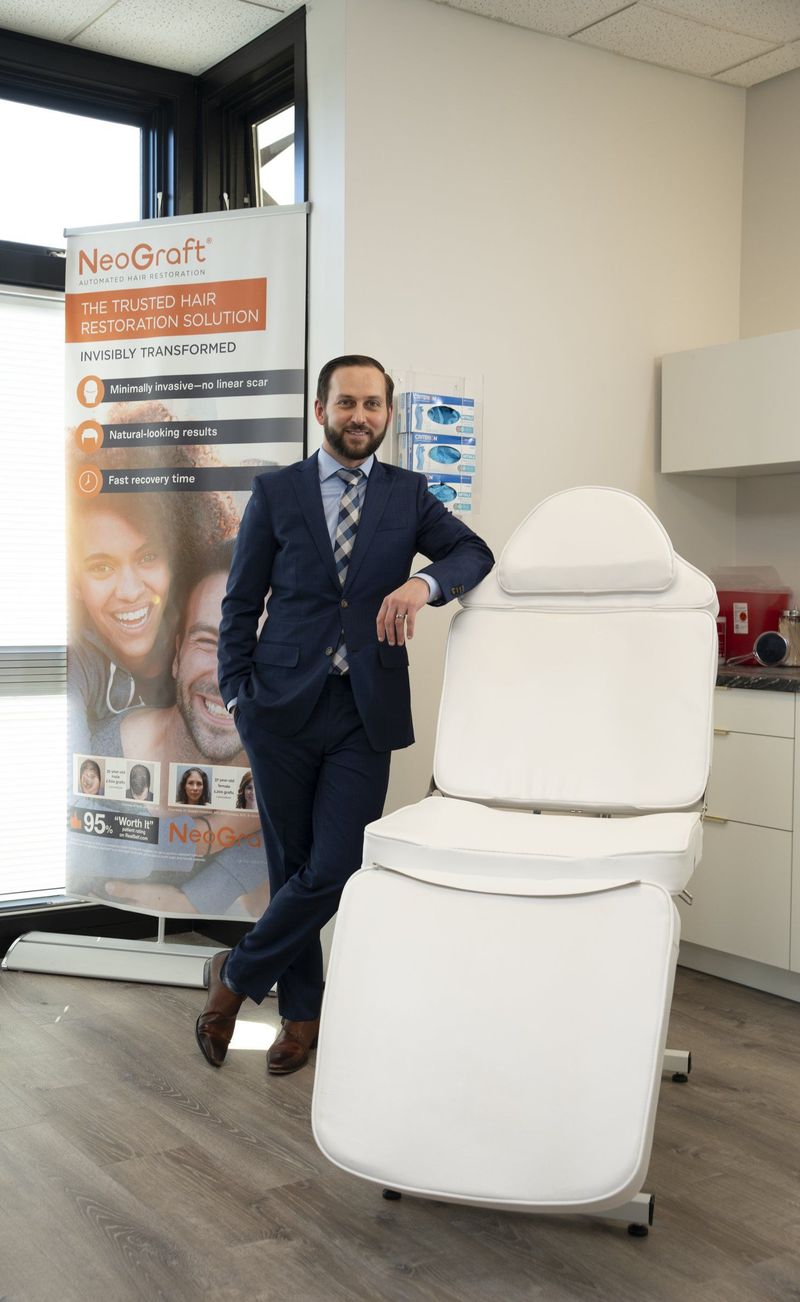
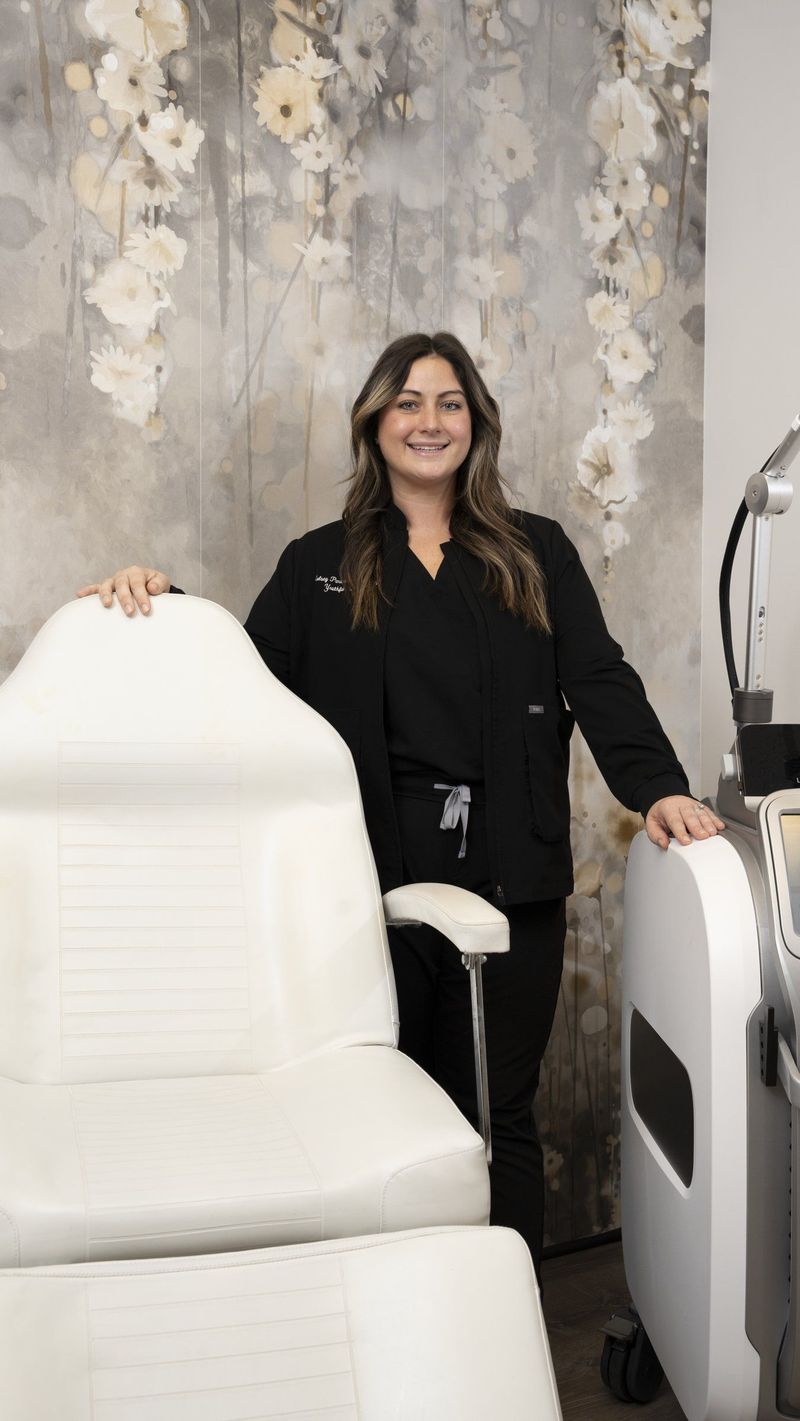
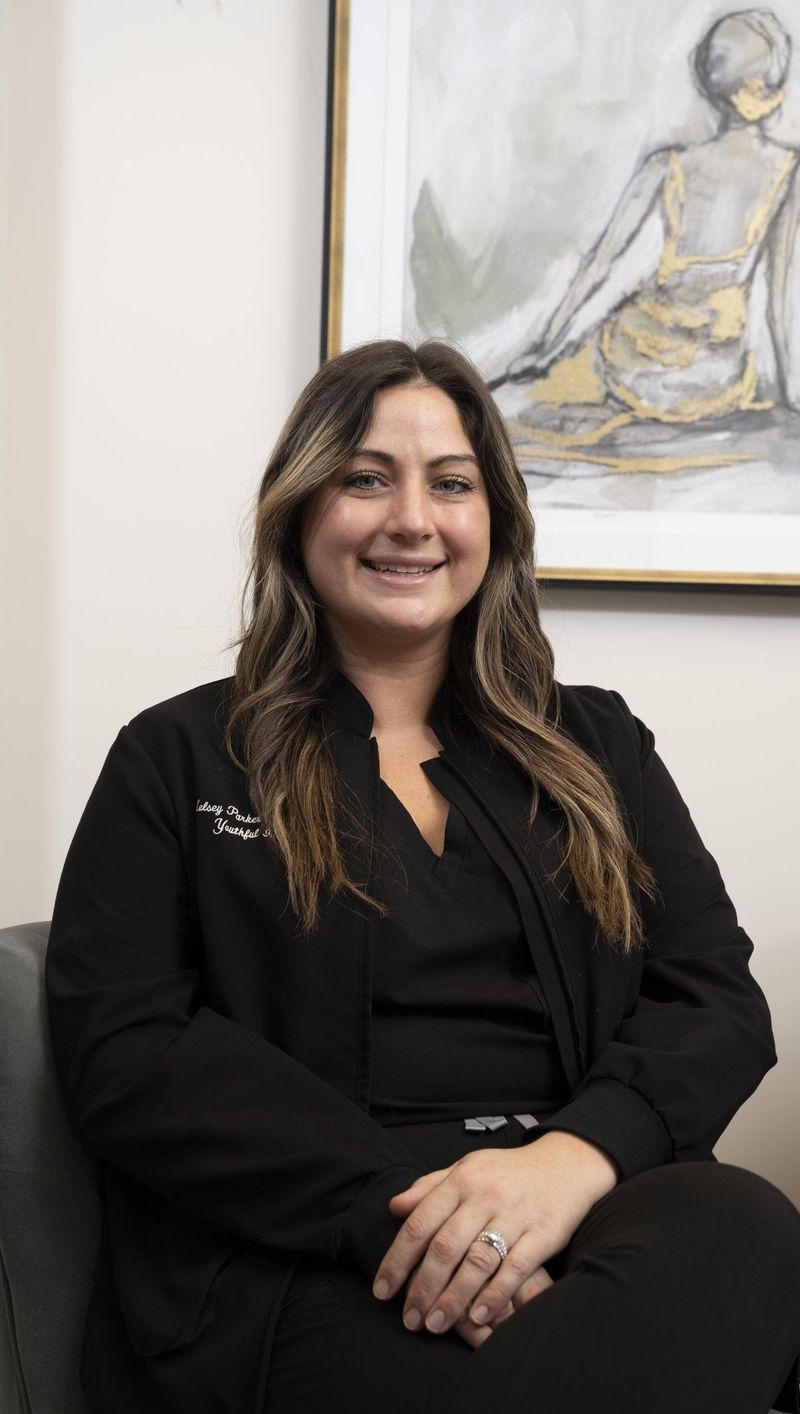
Alongside the hero portrait, a man in a navy suit and patterned tie stands beside a treatment chair, a woman stands beside a white treatment chair, and a smiling woman in black is seated for a portrait.
Placing each person inside the practice, rather than against a plain backdrop, ties faces to the setting. Standing portraits use the chair as a visual anchor, while the seated portrait is quieter and closer, a change of pace in the sequence.
The hero portrait of a man in a dark suit and purple tie beside a wooden cabinet starts the set with a person, and these three follow with the same approach: people in their working surroundings, dressed for business, framed so the setting is still readable.
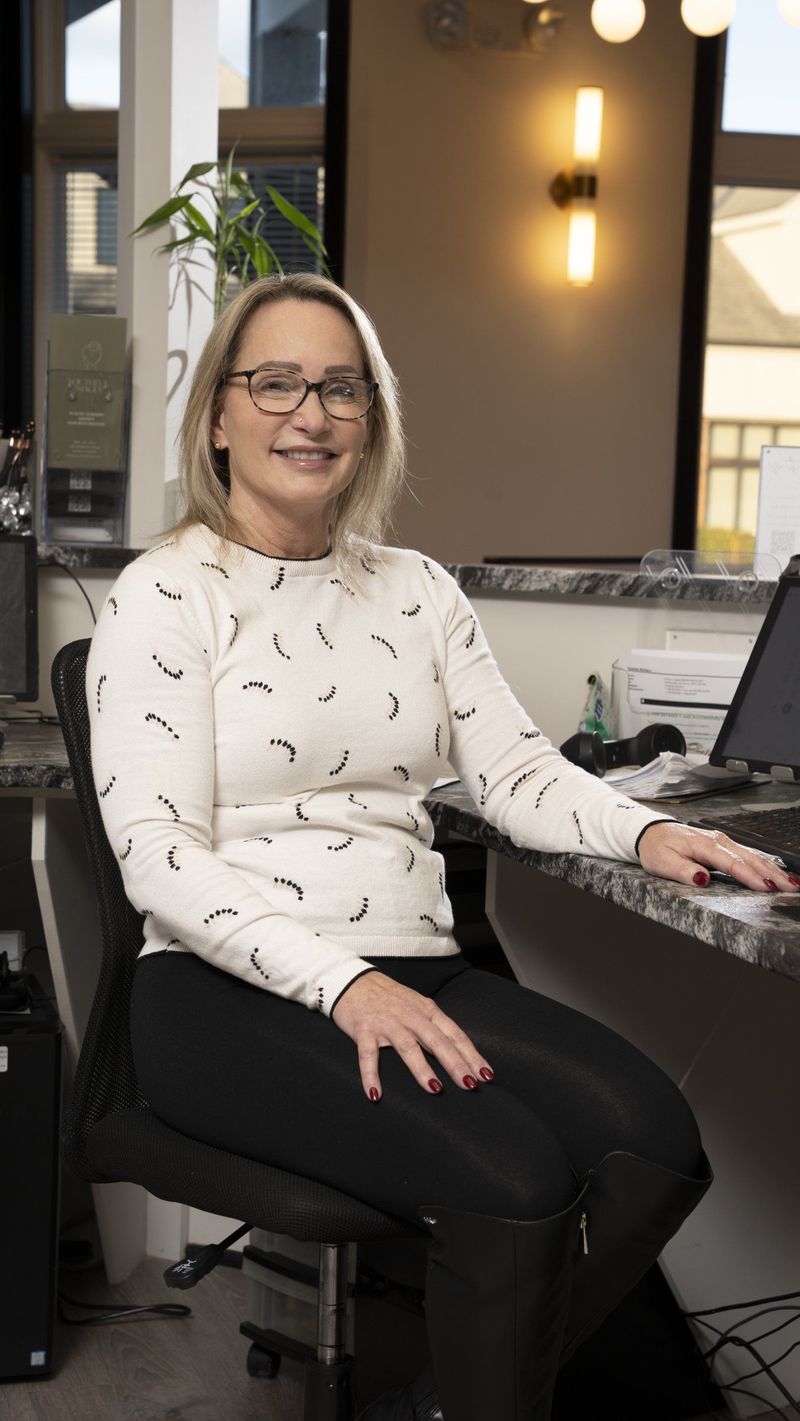
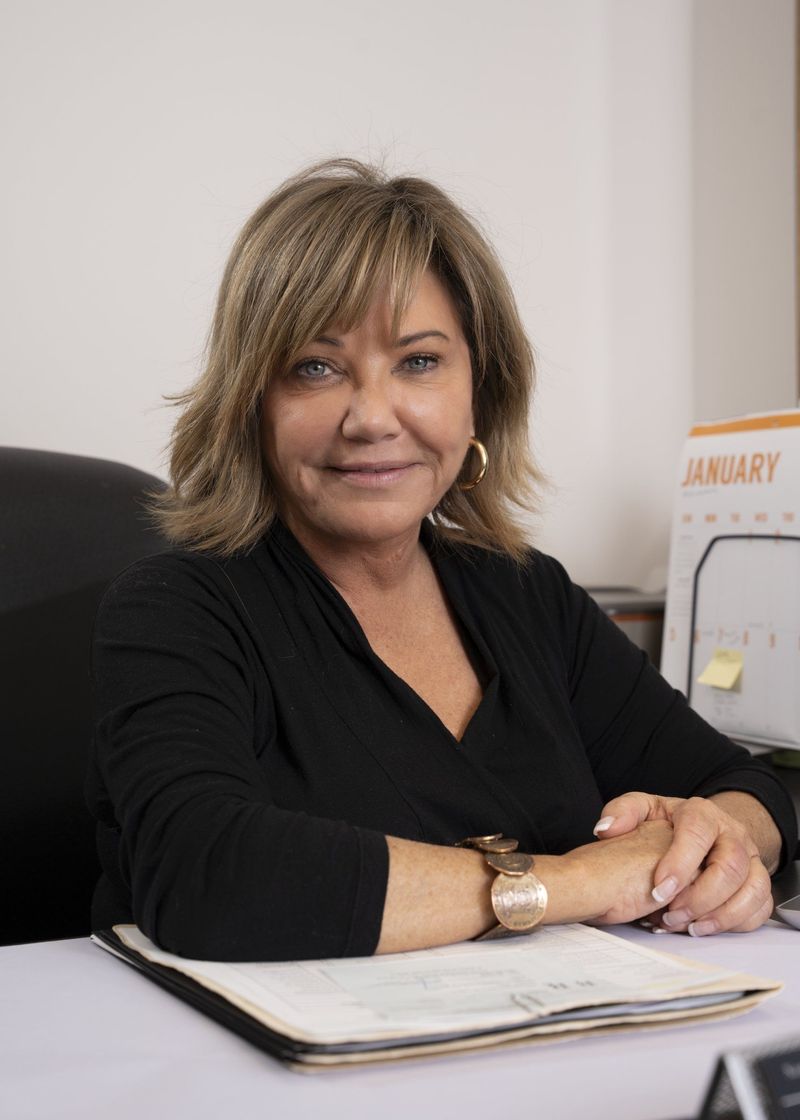
The last images show the places where visits start and paperwork happens: a woman seated at an office desk with papers, and another seated behind a dark stone reception counter.
Ending on the front desk gives the set a natural close. Dark stone adds weight to the lighter rooms, and the working desk reminds readers that a practice is also a team behind the scenes.
A set that includes the desk and the counter also answers a practical question for readers: where does a visit begin? Showing the first point of contact makes the whole feature feel complete.

For a session like this, start with a shot list that mixes wide room views, close equipment details, people in place and the front of house. Decide in advance which areas are ready to be photographed and which people will take part, and confirm any privacy rules for treatment spaces.
Choose a consistent look. Neutral rooms with a few accents photograph well together, and a set that moves from wide to close to portrait gives a publication or website plenty of choices when it lays out a page.
Finally, think about sequence before the session ends. Check that you have at least one wide frame, one detail frame and one person for every area you hope to feature, so no page in a guide or on a website is left short of a picture.
Team, room and exterior photography for clinical and care settings.
Individual and team portraits for business websites and profiles.
Feature photography planned around how a publication will lay out the page.
Every kind of photography Legend offers in Connecticut.
Dental team and treatment-room photography
A white-coat team portrait and treatment-room scenes from an Avon dental practice.
Explore the project
Care team group portraits
Three team portraits: the entrance awning, a white gazebo and a warm interior.
Explore the project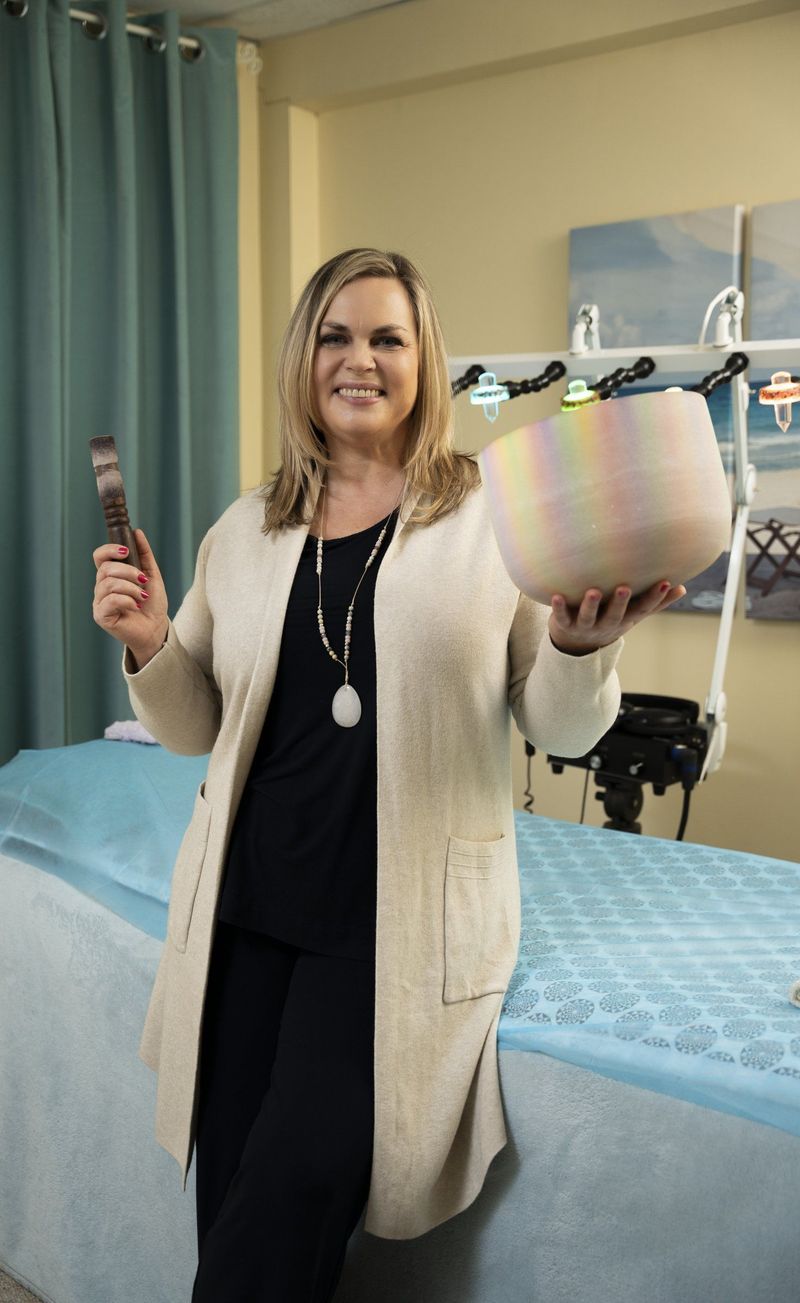
Holistic spa and practitioner photography
Agnes Daddona, colored lights, cards and bowls inside an Avon holistic spa.
Explore the projectTell us about the people, rooms and products you want shown, and where the pictures will appear.