Events
How to budget for event photography and videography in Connecticut
A planning guide for corporate events, conferences, galas and fundraisers: what coverage is made of, which choices change a quote, and how to compare proposals line by line before you book.
By Tyler Rivera 9 min read
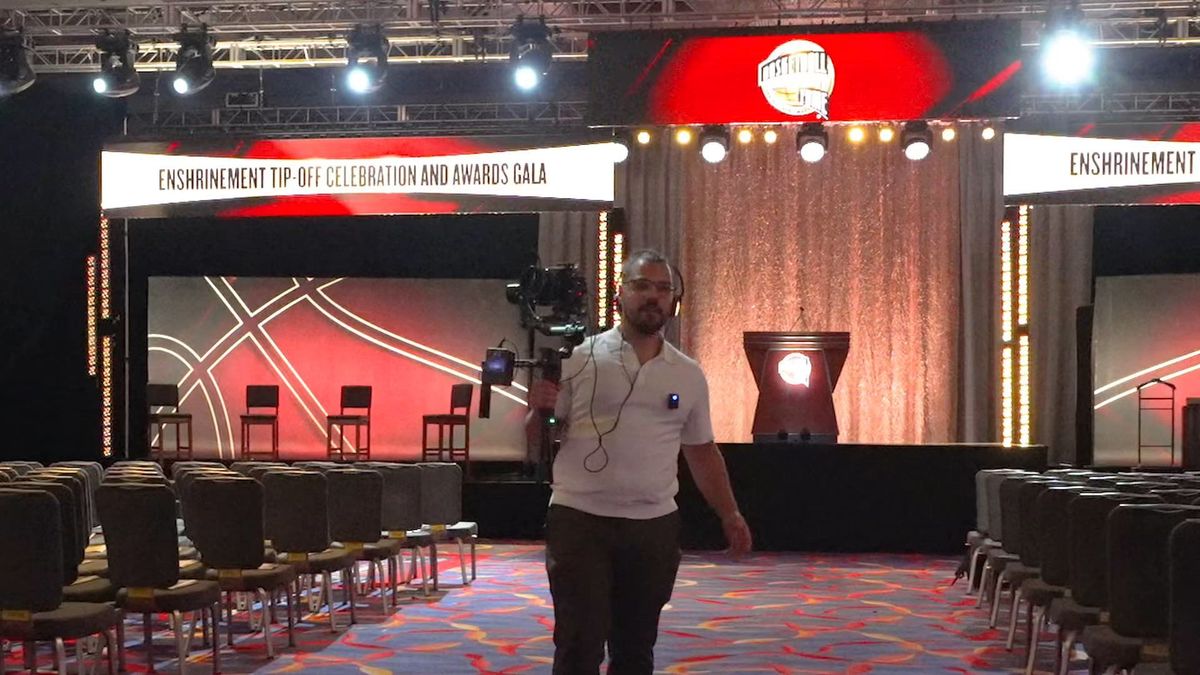
Planning coverage for a company event, a conference, a gala or a fundraiser usually starts with a practical question: how much should we set aside? It is a fair question, and it is hard to answer in a sentence, because two events with the same guest count can need very different coverage. This guide is written for the person who is organizing the event or approving the budget. It explains what an event photo and video quote is made of, which decisions move it, and how to compare proposals without guessing.
To request an estimate, share your event date, location, coverage hours and the photos or films you need afterward. Those details let us build a proposal around the work rather than a guest count alone. The sections below help you prepare that brief and compare what each quote includes.
Which guide is this, and which one do you need?
Cost questions about photo and video sound similar, but the buyers behind them are different, and we keep the guidance separate:
- Planning a wedding? Read our guide to wedding videography cost in Connecticut, because wedding quotes are built around a single day, a ceremony and a family.
- Weighing a business video such as a brand film or a training series? Our videography pricing overview covers scripted and planned projects.
- Budgeting for a headshot day? See our headshot budget guide.
- Covering a live event where things happen once, with speakers, guests and a schedule you do not control? That is this guide.
Events are different because the work happens on the event's timeline. There is no second take of a toast or an award. That changes how coverage is planned, and how it is priced.
Start with what the coverage is for
Before you request a quote, answer a few questions in a sentence each. They matter more than the guest count.
- What is the event for, and who will see the photos and video afterward?
- Which moments would you be disappointed to lose?
- Where will the results appear: your website, social channels, an annual report, an internal archive, a sponsor deck?
- Does anyone outside the company need to approve what is used?
- Is there a date by which you need the first photos or a short recap?
A conference may care most about speakers and sponsor visibility. A fundraiser may care about donor moments and a recap that can be shared within days. A company celebration may want faces, laughter and a short film for staff. The same budget can be spent in very different ways, and a team that asks these questions first is easier to compare.
The parts of an event quote
Most proposals for event coverage are built from the same handful of parts. When you read one, look for each of these.
- Coverage time: when the team arrives, when coverage starts and stops, and what is included before and after
- People: how many photographers and videographers, and what each is responsible for
- Equipment: cameras, lenses, lighting, audio gear and backup
- Planning: the conversation, the run of show and any venue visit
- Editing: photo selection and retouching, video cutting, audio cleanup, music and graphics
- Deliverables: what you receive, in which formats and how many versions
- Usage and delivery: where you may use the work, how long you have access and how it is delivered
A missing line is a question. Ask whether it is not included or simply not mentioned.
Coverage time: pay for the hours that matter
The simplest way to control cost is to be specific about the hours. Coverage can be a whole day, a few hours around the main program, or separate blocks. Before you decide, look at the schedule and mark the hours that produce the pictures and footage you need.
For many events, the useful hours are arrival and registration, the opening remarks, the keynotes or presentations, the awards or donor moments, and a stretch of networking or dinner. The hours in between, such as a long lunch break, may not need continuous coverage.
Ask the team how they would divide the time, and whether early setup or late wrap-up is counted. Coverage that begins when doors open is different from coverage that starts an hour earlier to capture the room before guests arrive.
Photo, video or both
A single team that does both can coordinate positions, share a schedule and avoid getting in each other's way. Two separate teams can still work well, and many events use them, but they need to be introduced and given the same run of show. In either case, the budget conversation should include:
- Whether photo and video share the same hours or follow different schedules
- Whether one provider coordinates both or you coordinate two
- How the finished work is delivered, and whether it is branded consistently
- Whether any equipment, such as lighting or an audio feed, can be shared
If you are considering both, our corporate event photography and corporate event videography pages describe how each side works.
People: what a second shooter actually adds
A second photographer or videographer gives another angle, covers two rooms at once and provides backup if a camera fails. It also adds crew time, extra files to sort and more editing. We would rather discuss where a second person helps than add one by default. Helpful moments include:
- A large room where a single position cannot see the speaker and the audience
- Two spaces running at the same time, such as a breakout session and a reception
- A program with many moments that cannot be repeated
- A recap that needs several angles to feel full
For a small, single-room event with one speaker, one skilled person may be enough. A good proposal will explain the reasoning, not simply list heads.
Audio: the line to protect
If one thing deserves protection in a video budget, it is sound. A viewer will forgive a plain frame sooner than a speaker they cannot hear. Ask each team how they would record speeches, panels and audience questions. Useful questions:
- Will they take a feed from the venue's sound system, or record separately?
- Will they use a lavalier or handheld microphone for the main speaker?
- How do they handle audience questions from the floor?
- What is their backup if wireless equipment is disrupted?
Audio planning usually adds equipment and setup time. It is rarely the best place to save. We cover a related situation in our article on backstage presentation and interview coverage.
Deliverables: be precise about what you receive
Deliverables are where quotes differ most. A single phrase such as "event coverage" can describe a gallery of selected photographs, a short recap video, edited speeches or all of them. Ask for the list in writing. Items to look for:
- Number of finished photographs, or a statement that all usable photos are delivered
- Whether photos are lightly retouched or fully edited
- A highlight or recap film, and its intended length
- Separate edits of speeches, awards or panel sessions
- Short vertical clips for social channels
- Photo and video formats for web, print and presentations
- How long the gallery or files stay available
Each additional version is separate editing work. If you might want social clips later, say so now, since planning them at the start is easier than rebuilding them afterward. Our guide to event highlight reels explains how a recap can be used in the weeks after an event.
Turnaround and review
If you need photographs quickly for press, sponsors or social channels, mention it when you request a quote. A team may be able to deliver a small selection soon after the event and the full set later, but that is a scheduling decision, not an automatic feature. The same applies to a quick video recap. Ask:
- Is there a first look, and how soon after the event?
- How many people review the work, and how long does that take?
- How many rounds of changes are included?
We do not make delivery promises in general, because they depend on the scope, the amount of footage and the approvals involved. A written plan from the team you choose should say what they commit to.
Usage, permissions and attendee notice
Where the work will be used affects what the team needs to know. Photos for an internal newsletter are not the same as photos for a public advertisement. Ask the team what usage the quote allows, for how long and where. If a sponsor will appear, or if recognizable guests will be featured, mention it. For events open to the public or to members, talk to your own organization about how attendees will be told that photography and recording are taking place. We do not offer legal advice, and requirements differ between settings.
Venue and logistics in Connecticut
The venue shapes the plan more than most buyers expect. Questions to settle early:
- What are the load-in times, parking rules and building access for vendors?
- Does the venue require proof of insurance or an approved vendor list?
- Is there reliable power, and are there restrictions on lighting?
- Are there limits on drones or other equipment?
- Is any part of the event outdoors, and what is the weather plan?
- How far apart are the locations, and is travel involved?
Distances across the state, multiple sites or an early start can add time and cost. Tell the team where each part of the event happens, so the quote reflects the real schedule. Our corporate video shoot preparation guide lists logistics that carry over to event days.
A worksheet for comparing quotes
When you hold two proposals side by side, resist reading only the bottom line. Turn each into the same set of answers.
| Item | What to look for | Question to ask |
|---|---|---|
| Coverage time | Start, end and any setup or wrap-up | Which hours are included? |
| People | Number of photographers and videographers | What does each person cover? |
| Audio | Feed, lavalier, handheld or none | How will speeches be recorded? |
| Deliverables | Photo count, film length, extra edits | What exactly do I receive? |
| Editing | Selection, retouching, cuts and music | What level of editing is included? |
| Usage | Where and for how long | Can we use it on paid channels? |
| Delivery | Method, timing and access period | When is the first look? |
| Changes | Included rounds | What if the schedule changes? |
If one proposal answers every row and another leaves half of them blank, you are not comparing like with like. Ask the second team to fill in the gaps before you decide. A fair quote survives questions.
Where to save without hurting the outcome
If the budget is tight, protect the moments that matter most and trim the rest. Some options teams often discuss:
- Shorten coverage to the hours that matter, rather than the full event
- Choose a highlight recap instead of multiple long edits
- Limit the number of versions, or plan social clips from the same recap
- Use a single room and a single angle for sessions that do not need more
- Give the team a clear shot list so time is not spent searching for moments
Cuts that usually cost more than they save include dropping audio planning, skipping the walk-through of the venue and leaving approvals until the last minute.
Common questions
Is photography or video the better place to start?
It depends on where the results will be used. Photographs are flexible and quick to share, and video can carry speeches and reactions. Many events use both, with photography given priority if the budget is limited. If you are unsure, tell us what the results are for and we will suggest where to start.
How early should we book?
As early as you know the date. Teams can cover only one event at a time, and earlier conversations leave more room to plan. We do not promise a particular lead time, because it depends on the calendar.
Do you publish prices for events?
No. Event scope varies too much, so we talk through the details and write a quote afterward.
Can we change the scope after we book?
Often yes, but changes are best discussed early and confirmed in writing, since they affect crew time and editing.
Where to go from here
If you are planning an event and want to talk through photo and video options, start with our events overview, or tell us about your date and goals. We will ask about the schedule, the room and the moments that matter most, and we will explain what we would plan before we put a quote in writing.