Photography
How to budget for corporate headshots in Connecticut
What a headshot quote is made of for a single professional or a whole team: session format, time per person, editing, usage and scheduling, plus questions to compare proposals.
By Tyler Rivera 8 min read
Headshots look like the simplest photography job there is. A person sits down, the camera clicks, and the result goes on a website or a profile. The quote tells a different story, because a headshot project for one executive and a headshot day for a company of forty are built from very different parts. This guide is for a business owner, office manager or marketing lead who is trying to plan a headshot budget and compare quotes. It explains what the price is made of, the decisions that move it and the questions that make two proposals comparable.
To request a headshot estimate, send your team size, preferred location, intended use and the number of finished images needed per person. Those details help us compare session formats and prepare a clear scope. Here is what to consider before choosing a proposal.
Which headshot guide do you need?
We keep our headshot articles separate so each answers one question.
- Getting people ready for the day, from wardrobe to scheduling? Read how to prepare for team headshots.
- Deciding what to spend and how to compare proposals? You are in the right place.
- Looking for the service itself? Our corporate headshots page describes what we offer and how a session works.
- Planning a broader shoot that includes video and event coverage? Our guide to budgeting for event photography and videography covers live events.
Start with who, where and what for
Three questions shape almost every headshot quote.
- Who is being photographed? One person, a leadership team, a department, or the whole company?
- Where will the photographs be taken? A studio, your office, or another location?
- What are they for? A website team page, professional profiles, a press kit, printed materials, or all of them?
The answers decide the amount of equipment, the time on site and the editing. A single professional portrait can be a short appointment. A full team often becomes a half-day or a day, with a schedule that has to hold together.
Session format: studio, office or location
Where you shoot is one of the largest drivers of the plan. Each format has strengths and trade-offs, and none is automatically better.
| Format | Strength | What it adds to the plan |
|---|---|---|
| Studio | The most consistent look across a team, easy to add people later | Travel to the studio for each person |
| Your office | Convenient for staff, shows your real workspace | Setup, a quiet room and consistent lighting across the day |
| Outdoors or on location | A relaxed, personal feel | Weather plans, time of day and harder matching later |
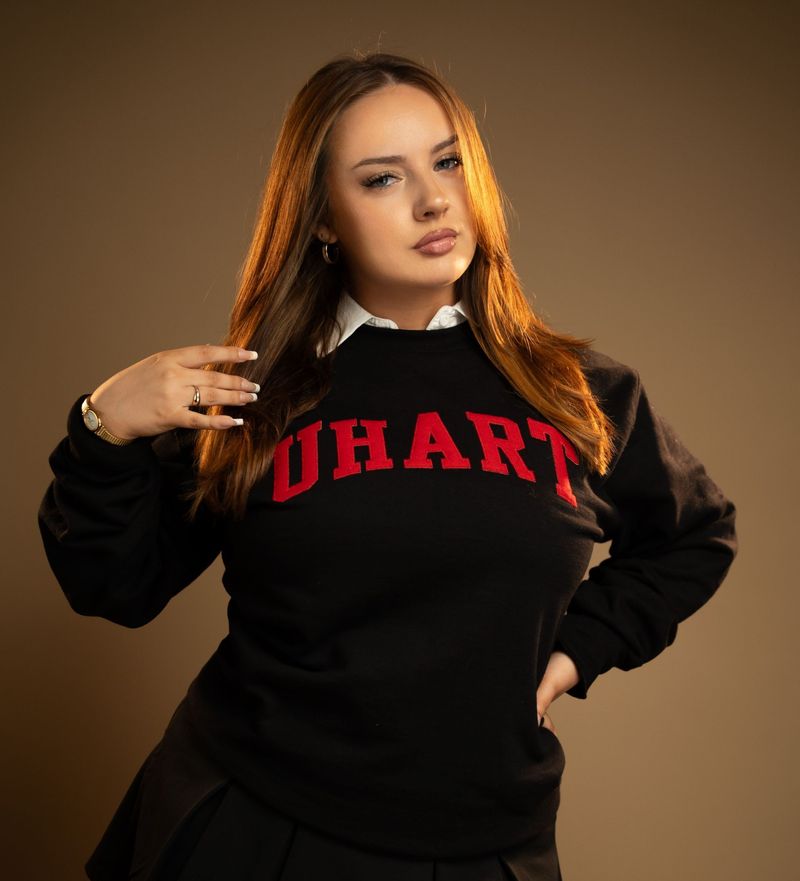
If you want the whole team to look like one company, one controlled setup is usually easiest to keep consistent. If you want a more personal look, as in the portrait below, plan on a location and accept that matching new hires later is harder.
Time per person and total schedule
Time is the central cost driver in a team headshot day. The useful questions are about the schedule, not only the headcount.
- How long is each person's slot, and does it include changing outfits?
- Are people photographed in a single block or spread across the day?
- Is there time between slots for adjusting lights and resetting the space?
- Who keeps the schedule moving, and who brings people to the room?
- What happens if someone is late or absent?
A realistic schedule has a little room in it. A day that is booked with no buffer is a day where one delay affects everyone. We recommend deciding on one person from your side to manage the list, so the photographer can focus on the portraits.
What a quote usually covers
Quotes for headshots tend to include the same building blocks. Look for each one.
- Session time on site, and whether setup and breakdown are counted
- The number of people, and whether more can be added on the day
- The number of looks or outfits per person
- Lighting and backdrop
- Direction, so people know how to stand and where to look
- Selection: who chooses the final images, and how many options each person sees
- Retouching: what is included and what is extra
- Delivery format, resolution and how long files stay available
If anything is missing, ask whether it is not included or simply not written down.
Editing and retouching: be specific
Retouching is the part most often misunderstood. A light touch removes distractions such as a stray hair or a temporary blemish and keeps the person looking like themselves. Heavier retouching changes how someone looks, and it takes longer. Ask the team to describe their standard editing and how they handle requests from individuals.
Also ask:
- Is color and exposure matched across the team so the page looks consistent?
- How many final images does each person receive?
- Is there a process for a person to choose between options?
- What happens if someone wants a change after delivery?
We favor a natural look. People should look like the person your clients know on a good day, not like someone else. That is a style choice, and you should check that a team's samples reflect the style you want.
Usage: where the photographs will appear
Where the images will be used can affect the scope. Photos for an internal directory are not the same as photos for a public advertisement or a national campaign. Ask the team what usage the quote allows, for how long and in which channels. If employees will take their headshot with them when they leave, ask how that is handled, since individual portraits are personal as well as professional.
If you may want the photographs on your website now and in a press kit later, say so at the beginning. Changing usage terms afterward is harder than setting them at the start.
Individual professionals versus whole teams
The budget questions change with the size of the group. An individual professional, such as a financial advisor, attorney or real estate agent, is usually buying a small number of well-finished images and a relaxed appointment where there is time to try a few looks. A company is buying consistency and efficiency: the same lighting, the same framing and a schedule that keeps people moving.
For an individual, ask how many outfits and final images are included and whether there is time to review options. For a team, ask how the schedule will run, how the look is kept consistent and how a late addition would be handled. A team quote that is clear about both will usually save you questions later.
Add-ons you may be offered
Teams often offer extras, and some are valuable. Decide which ones fit your goals before you request a quote.
- Group or team photographs
- Environmental portraits in the office, beyond the standard backdrop
- Extra looks for individuals, such as a formal and a casual option
- Rush delivery
- A short bio video or a profile clip for a team page
- A follow-up day for new hires
Short bio videos are a different service with different costs. Our employee bio video page explains how they work and how they relate to still portraits.
Scheduling and logistics in Connecticut
Practical details can add up. Ask each team about:
- Parking and loading at your building
- Access to a room that can be made quiet and consistently lit
- Power and space for lights and backdrop
- Travel distance if your office is far from the photographer
- Weather plans for outdoor portraits
- Absences and make-up sessions for people who are away
If your team is spread across several offices or remote, ask how the photographer would keep the look consistent across locations. Planning this at the start avoids a patchwork of portraits that do not match.
Comparing quotes line by line
When you hold two proposals side by side, turn each into the same list.
- How many people are included, and what if the number changes?
- How long is each session and how long is the whole day?
- Studio, office or location, and what does the proposal assume?
- How many final images does each person receive?
- What retouching is included, and what is extra?
- What usage is allowed and for how long?
- How are files delivered and how long are they available?
- What happens if someone cannot attend on the day?
Blanks are questions, not conclusions. A lower price may mean less time per person, fewer final images or lighter editing. It can also mean a different style. A higher price does not prove higher quality either. Ask each team for a full set from a real session, not only a few favorites, so you can judge consistency across several people.
Where to save without hurting the result
If the budget is tight, a few choices usually keep quality high.
- Photograph everyone in one place with one setup
- Keep the number of looks per person to what you will actually use
- Choose a clear scheduling window and keep to it
- Prepare people in advance so sessions are quick
- Choose the number of final images in advance, rather than reviewing everything
Cutting preparation time is a common false saving. A day that begins on time with people who know what to wear is worth more than extra gear.
Common questions
Is a headshot different from a portrait?
A headshot is a clear, professional image of a person's face and shoulders, designed for profiles and team pages. A portrait is broader and can be more personal. Our portraits page covers the second.
Can new hires be added later?
Often yes. A studio or consistent setup makes it easier, and the photographer should be able to tell you how they would match lighting later. Ask before you book.
How many photos does each person get?
That depends on the proposal. Some deliver a small selection and others deliver more. Ask for the number in writing.
Do you publish headshot prices?
No. We quote after we know the people, the place and the use.
Where to go from here
If you are planning headshots for yourself or your team, our headshots page describes how a session works, and the photography overview shows the range of portrait work we do. You can browse our portfolio for more examples. Tell us how many people you have, where you would like to shoot and where the images will appear, and we will explain what we would plan before we put a quote in writing.