
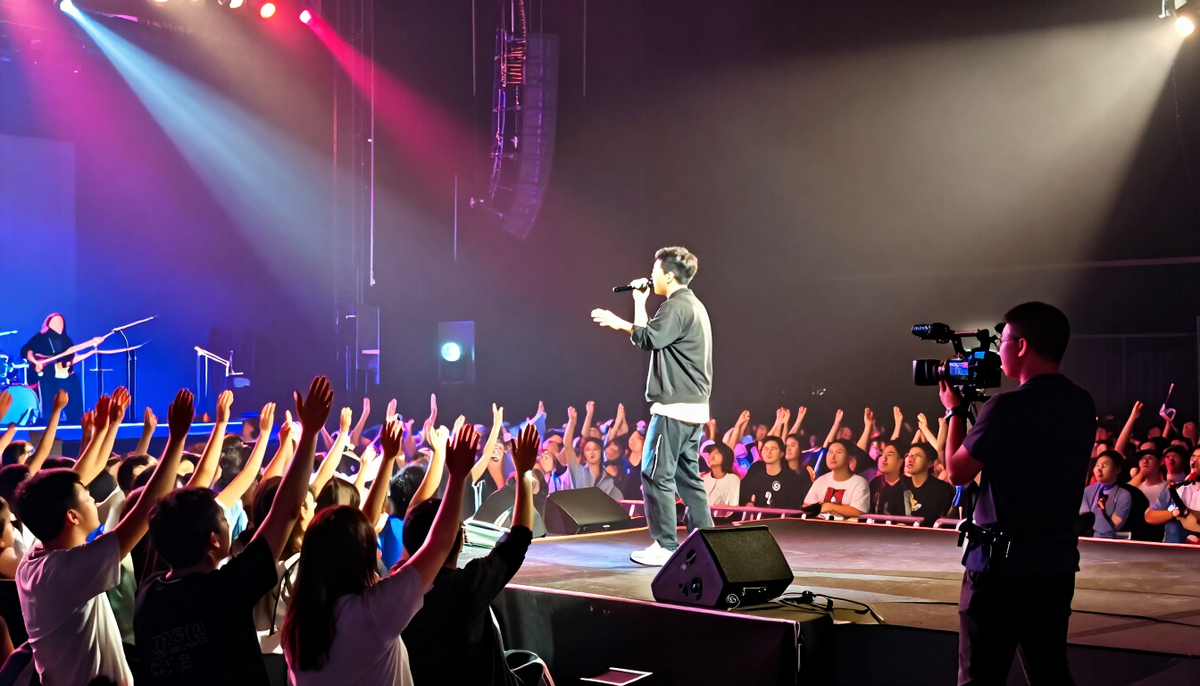
Stage performances / Videography
Stage performances videography in Connecticut
Stage video lives or dies on sound, framing and timing. We ask questions first to understand what the video is for, whether that is a record for the cast, an archive for the school or theater company, or a recap for sharing. Then we plan cameras and audio around your scenes, cues and the venue’s rules.
A performance record and a recap edit
A performance record follows the show from first entrance to curtain call, without interruption, so families and the company can watch it as the audience did. A recap edit selects scenes, songs and moments to tell the story in a shorter form. We discuss which you need and how each will be shared, including vertical cuts and captions as options to agree.
Live audio from the stage and the house
Speech and singing carry the story, so audio gets as much attention as the picture. We ask permission to take a feed from the venue sound system and run an independent backup recorder. Room sound adds the sense of an audience, and we balance it against clean dialogue. Music rights and venue recording rules are for the organizer to confirm.
Questions before you decide?
Tell us about the production, the venue and how you plan to share the video. Share your date, location and coverage needs so we can prepare a scoped quote.
How we plan and cover your stage performance video
Each step below focuses on the video side and how it works with your director, your venue and any photography.
Questions and listening first
We ask who will watch the video, whether it is a record or a recap, and which scenes matter most. We agree the coverage window, deliverables and crew, then ask for one organizer contact. We handle the camera and audio plan, and need the running order and recording rules.
Preparing the performers
We tell cast and crew where cameras will be and that nobody needs to play to them. Any short cast greetings or messages are optional, prepared with prompts rather than memorized scripts, and arranged around the director’s warm-up schedule.
Coordinating sound, lights and access
We speak with stage management and AV staff about a sound feed, backup audio, camera positions, load-in, lighting cues and power. We also check what the venue allows for recording, since music rights are the organizer’s to confirm.
On performance day
We arrive for the agreed setup, check light, audio and framing, then record the show while following scene changes quietly. Operators communicate with each other, hold steady during quiet moments, and adapt if the schedule shifts.
Editing and delivery
We explain how the record or recap will be edited, including sound balance, color and cut selection. Review and delivery checkpoints are agreed in the scope, and formats such as full program, recap, vertical cuts or captions are confirmed at inquiry.
Camera angles and sightlines
A steady wide angle holds the full stage, so every scene and the whole ensemble stay in view. Additional angles add reactions, soloists and detail when the staging calls for them. We choose positions that do not block seating or the audience’s view, and we move only when the director’s blocking leaves room to.
- Wide program angle for the full stage
- Closer angle for soloists and dialogue
- Audience and curtain call reactions where agreed
Theater lighting, color changes and LED flicker
Lighting shifts from scene to scene, from warm washes to deep blues to sudden blackouts. We check camera settings against the rig, watch for LED flicker on stage fixtures and adjust exposure when a cue changes. Where the lighting design is dramatic, we aim to keep the mood in the image rather than flattening it.
Working alongside photography
When photography is also booked, our team agrees positions and quiet-movement rules beforehand so shutters and cameras do not compete. One operator cannot follow simultaneous moments, and we discuss adding another when scenes overlap or the stage is wide.
What to send when you ask about your stage performance
Share your date, location and coverage needs so we can prepare a scoped quote. Whatever you do not know yet, we will ask about.
- Performance date, venue and call time
- Production title, cast size and running order
- Full performance record, recap edit, or both
- Whether a sound system feed is available
- Venue rules on recording and camera positions
- Where the video will be shared and with whom
Related pages
- Stage performances: videography and photographyThe full service, with video and photography planned together.
- Stage performances photographyHow the photo side is planned next to the video.
- Recitals videographyA separate service with its own planning: recital coverage.
- Holiday concerts videographyA separate service with its own planning: holiday concert coverage.
- Tree lightings videographyA separate service with its own planning: tree lighting coverage.
- Concert videographyThe broader service for concerts and live music throughout the year.
- All seasonal and holiday servicesEvery seasonal service in one directory.
- Our workVideos, photo galleries and projects from Legend Photo & Film.
Common questions
Can you capture clean audio at a live show?
We plan for it by asking to take a feed from the venue sound system and running a backup recorder. We also record room sound so the audience is present. Final audio quality depends on the venue’s setup, which we review with your AV staff.
How many cameras do you use?
It depends on the stage, the staging and the deliverable. A steady wide angle is the foundation, and we discuss additional operators and angles for soloists, wide stages or overlapping action when the scope calls for them.
Are music rights part of your service?
Music rights and venue recording permissions are the organizer’s to confirm. We are glad to talk through how you plan to share the video so you know what to ask your licensing contact or venue before the show.
Can the video include the curtain call and bows?
Yes, the curtain call can be part of the record or the recap. Tell us if you want it as a separate moment, and we will plan an angle that shows the full cast and the audience’s response.
What happens after you inquire about event video and photo
- 1
Send your details
Tell us the goal, your timeframe and your location.
- 2
We review your details
We read your inquiry and confirm availability.
- 3
We reply with next steps
We reply with the next steps. If a call would help, we’ll arrange one.
- 4
Plan the scope and quote
We talk through goals, deliverables and scope, then provide a quote.
Plan your stage performance video
Tell us about the production, the venue and how you plan to share the video. Share your date, location and coverage needs so we can prepare a scoped quote.
Tell us what you want to make.
Email tyler@legendphotoandfilm.com or call 860-255-8802.
Talk about your project