
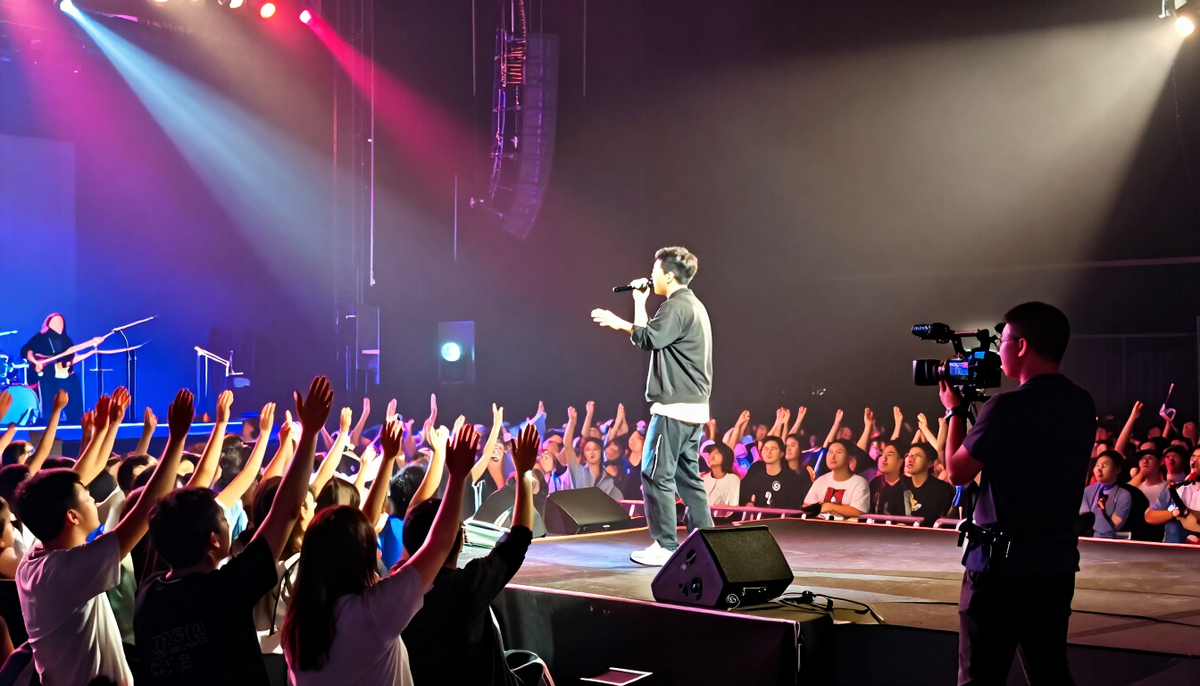
Stage performances / Photography
Stage performances photography in Connecticut
Stage photography asks for patience and timing. We begin by asking what the images are for, whether that is a program, a poster, the cast’s keepsakes or social posts. Then we learn your scenes and cues so we can anticipate the strongest frames and work quietly beside the audience.
Key moments across the production
We work from your scene list to find the moments that carry the story: a lead’s entrance, the last note of a song, a dramatic pause, a full-company number. Knowing the blocking helps us anticipate rather than react. Rehearsal attendance is discussed, not assumed, and we plan from your notes if it is not possible.
Low light, color shifts and fast action
Stage light changes constantly, from warm washes to saturated color to blackout. We set exposure and white balance for the look of each scene, and choose shutter speeds that freeze a leap or a spin. Where lighting is dramatic, we keep its mood rather than correcting everything toward neutral.
Questions before you decide?
Tell us about the production, the venue and how you plan to use the images. Share your date, location and coverage needs so we can prepare a scoped quote.
How we plan and cover your stage performance photography
These steps focus on the photo side and on how it fits with your director, the venue and any video.
Questions and listening first
We ask how the photos will be used, which scenes and people matter most, and whether the director has image priorities. We agree the window, deliverables and crew, and ask for one organizer contact. We handle the shooting plan, and need your scene list.
Preparing the cast
We explain in plain language where we will be, and we ask nobody to look at the camera during the show. Any group lists or portraits are planned with names and order in advance, so cast members spend little time waiting.
Coordinating with the venue and stage team
We confirm access, seating positions, flash rules and any areas that are off limits. We talk with stage management about lighting changes, scene order and where we can move. Backstage access is the director’s decision, not an assumption.
On performance day
We arrive for the agreed setup, test light and exposure, and move only at moments the staging allows. If video is also covered, we share positions with the videographer and avoid crossing sightlines. We adjust if the schedule shifts.
Selection and delivery
We explain how images are chosen, how color and exposure are handled, and what formats you will receive. Review and delivery checkpoints are agreed in the scope, along with uses such as programs, social posts or print.
Quiet shooting and no flash
Flash is not used unless the director and venue allow it, and we work with the available stage light. We keep our shutter noise and movement low, especially during quiet passages, and we stay in positions that never block sightlines or aisles.
- No flash unless the director agrees
- Positions agreed with stage management
- Minimal movement during quiet scenes
Curtain call, cast portraits and backstage
The curtain call is a natural moment for full-cast and individual frames. If the director wants quick cast portraits or group images, we plan the time and place, and we keep it efficient so no one is stuck posing. Backstage photography happens only if the director agrees.
Gallery selection and use
We select images that tell the story of the show and give every part of the production a fair presence, without singling anyone out. Galleries can be prepared for web sharing or print-ready use, and the uses you need are agreed in the scope.
What to send when you ask about your stage performance
Share your date, location and coverage needs so we can prepare a scoped quote. Whatever you do not know yet, we will ask about.
- Performance date, venue and call time
- Production title, cast size and scene list
- Whether you want cast portraits or group images
- Venue rules on flash and camera positions
- How the photos will be used
- Your contact for the director
Related pages
- Stage performances: videography and photographyThe full service, with video and photography planned together.
- Stage performances videographyHow the video side is planned next to the photography.
- Recitals photographyA separate service with its own planning: recital coverage.
- Holiday concerts photographyA separate service with its own planning: holiday concert coverage.
- Tree lightings photographyA separate service with its own planning: tree lighting coverage.
- Concert photographyThe broader service for concerts and live music throughout the year.
- All seasonal and holiday servicesEvery seasonal service in one directory.
- Our workVideos, photo galleries and projects from Legend Photo & Film.
Common questions
Do you use flash during the show?
No, not unless the director and the venue clearly allow it. We use the stage light that is available and adjust settings and positions to keep the performance undisturbed for cast and audience.
Can you photograph a dress rehearsal instead?
It can be discussed, and some directors prefer it for freedom of movement. A rehearsal has different lighting and fewer audience reactions, so we talk through which format best matches how you will use the images.
Can we have individual cast portraits?
Yes, if the director wants them. We plan a brief time and place, such as before the show or after the curtain call, and keep it efficient. Organizers decide who is photographed and how the images are shared.
Will you photograph minors on stage?
Yes, when the organizer and the school or company approve it. The organizer decides who may be photographed and how images are shared, and we follow the venue’s and the guardians’ rules.
What happens after you inquire about event video and photo
- 1
Send your details
Tell us the goal, your timeframe and your location.
- 2
We review your details
We read your inquiry and confirm availability.
- 3
We reply with next steps
We reply with the next steps. If a call would help, we’ll arrange one.
- 4
Plan the scope and quote
We talk through goals, deliverables and scope, then provide a quote.
Plan your stage performance photography
Tell us about the production, the venue and how you plan to use the images. Share your date, location and coverage needs so we can prepare a scoped quote.
Tell us what you want to make.
Email tyler@legendphotoandfilm.com or call 860-255-8802.
Talk about your project