Corporate video
AI Video vs. Professional Videography: The Human Heart Comes First
Tyler Rivera on where AI fits into video production: a cutaway shot, cleaner audio in a loud factory, and why the person telling the story always comes first.
By Tyler Rivera 4 min read
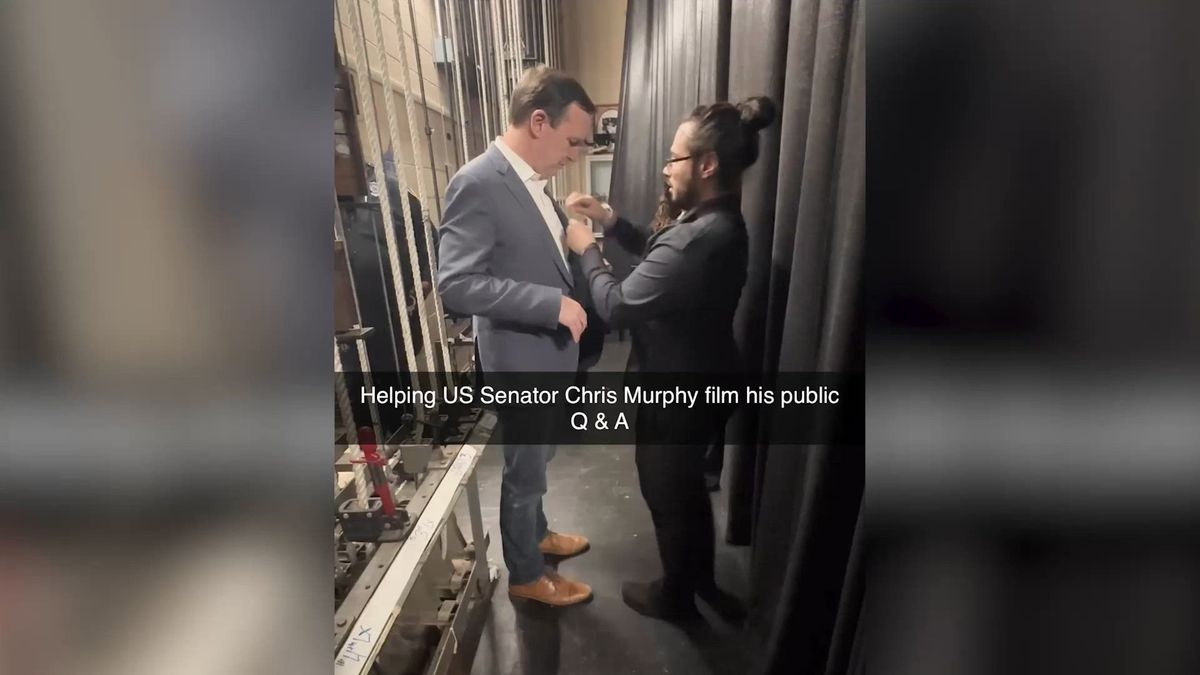
I’ve used AI to generate B-roll, help write scripts, edit podcasts, and clean up difficult audio. I’ve seen it save time and make a useful shot possible without organizing a separate production around it.
But when someone asks me where AI fits into video production, I start with the person whose story we’re telling.
What do they care about? Why does this message matter to them? What do they want someone else to understand?
For me, the human voice is where the soul is. When someone speaks about something they genuinely care about, that care comes through in their delivery. Their excitement, their hesitation, the way they find the words—all of that belongs to the story.
That is what I want to preserve.
The human voice is where the soul is.
A useful shot starts with a reason
On one client project, we needed to illustrate the frustration of being overwhelmed by paperwork. The client was explaining systems they had developed to reduce paperwork and make training easier.
I used AI to generate a short scene of someone frustrated by a pile of paperwork, wearing a shirt branded for the company. It was an illustrative scene, rather than footage of an actual employee.

The company shirt mattered. I wanted the cutaway to feel connected to the business and the problem being discussed, instead of looking like an unrelated stock clip.
It took a straightforward prompt, some generation time, and a few attempts to get the result.
We could have staged and filmed that scene. But coordinating a person, a location, and the action for a single supporting shot would have added time and expense that didn’t make sense for that particular project.
AI gave us another way to make the point visually. The shot had a purpose: help the viewer understand the problem, then move the story forward.
That’s how I think about implementing it. Before choosing the tool, I need to understand what the story needs.
Before choosing the tool, I need to understand what the story needs.
Helping a real voice come through
Another project involved recording someone inside a large, active factory. There was machinery running and activity around us. Getting completely away from the noise was difficult.
I used a RØDE NTG shotgun microphone, aimed toward the speaker’s mouth and positioned as close as possible without entering the frame. We also moved away from the activity where we could.
Afterward, AI audio isolation reduced a substantial amount of the distracting background noise. You could hear what the person was saying without the machinery competing for your attention.
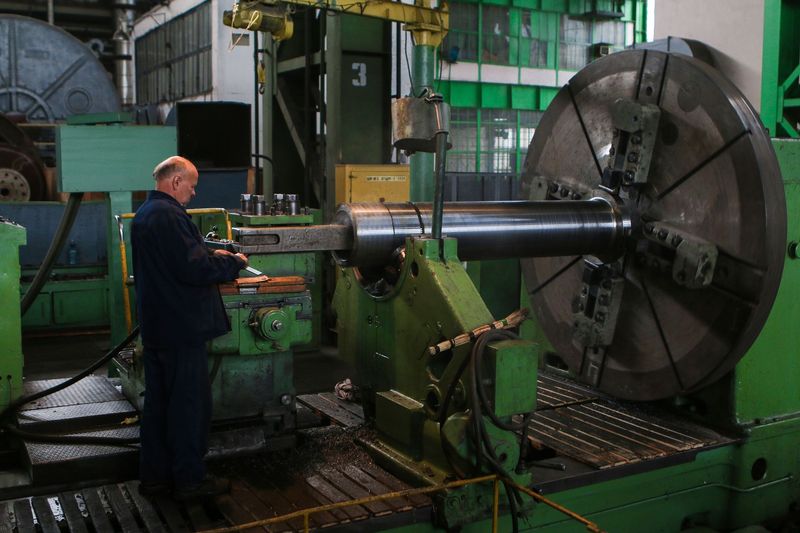
The practical benefit was being able to work in that environment while production continued, without an elaborate sound-control setup.
I still cared about capturing the voice properly in the first place. Microphone placement, direction, and testing remained part of the job. The cleanup gave us more flexibility in a difficult location.
In that situation, AI helped the audience hear the person who was already there.
The willingness to tell your story matters
I’m consistently inspired by my clients.
Some are experienced on camera. Others are nervous. But they care enough about their goal to put themselves in front of a lens and try.
There’s something beautiful about that willingness. Someone can be afraid of being on camera and still decide that their story is worth telling.
When a client is nervous, I look for their strengths and speak to those strengths. I want to pour confidence into them. I take the time to make sure they know I’m there for them.
I also remind them that every take doesn’t have to work. If a take isn’t usable, we don’t have to use it. That moment doesn’t have to become something the public sees.
Sometimes people become so focused on accomplishing the final goal that they lose the ability to be present. My job is to help them settle into the moment and communicate.
That relationship is a meaningful part of production before we ever get to the edit.
Footage still needs direction
An interview rarely arrives in the exact order the finished story needs.
We ask questions, listen, and find the ideas that matter. During editing, something said halfway through the conversation might become the opening. A thought near the end might provide the context the audience needs at the beginning.
We move pieces, remove distractions, and build a sequence while preserving what the person means.
Those choices shape whether a message is received. A useful B-roll shot can support that sequence. Cleaner audio can make it easier to follow. But the pieces still need to be selected and composed with an understanding of the person, the purpose, and the audience.
That is why I don’t evaluate AI footage only by whether it looks impressive. I ask whether it belongs in the story.
For heartfelt, personal storytelling, I want the real person speaking for themselves. Their voice and their willingness to communicate are the reason we’re making the video.
At Legend Photo & Film, that is where I want the work to begin: listening, building confidence, and understanding what someone wants to say. From there, we can choose the production and editing tools that help their message reach someone else.
The human heart comes first.
If you have a story you’d like to tell, you’re welcome to share your project with us.