What Makes a Corporate Video Look Professional vs Amateur?
Video has become one of the most powerful tools businesses use to communicate their brand, explain their services, and build trust with potential clients. But not all video content leaves the same impression.
Some corporate videos immediately convey professionalism, credibility, and expertise. Others—despite good intentions—can unintentionally make a company appear less established or unpolished.
The difference between a professional corporate video and an amateur one often comes down to a combination of factors including planning, storytelling, visual quality, sound design, and overall presentation. While modern technology has made it easier than ever to record video, producing content that truly reflects the quality of a business requires a thoughtful approach and attention to detail.
Across Connecticut and throughout New England, companies in industries such as healthcare, construction, legal services, consulting, and manufacturing are increasingly investing in professional video production to ensure their brand is presented at the highest level. When done well, corporate video becomes more than just marketing content—it becomes a powerful tool for building credibility and connecting with the right audience.
In this article, we’ll explore the key elements that separate professional corporate videos from amateur productions and why those differences matter for businesses.
Why First Impressions Matter in Corporate Video
When someone visits a business website or discovers a company through social media, they often form an opinion within seconds. A corporate video frequently serves as that first impression.
A professional video can immediately communicate that a company is organized, trustworthy, and serious about the quality of its work. On the other hand, poorly executed video may unintentionally raise doubts about the business’s professionalism—even if the company itself provides excellent services.
In many industries, perception plays a significant role in decision-making. Potential clients may assume that the level of care reflected in a company’s video content represents the level of care they can expect when working with that business.
Because of this, corporate video production should be approached with the same level of attention and professionalism that companies bring to their core services.
Professional Lighting vs Poor Lighting
Lighting is one of the most noticeable differences between professional and amateur video production.
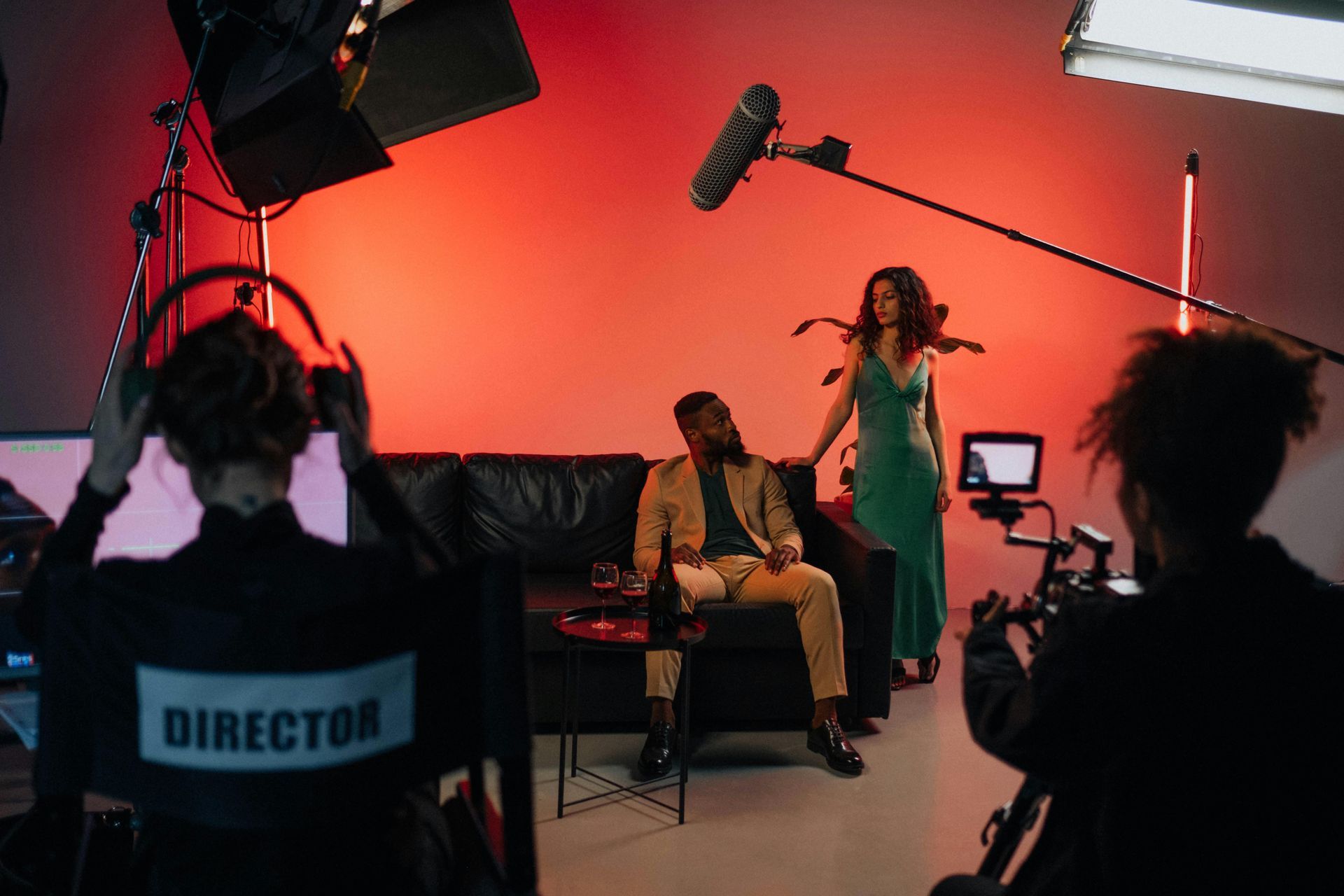
Professional lighting ensures that subjects are clearly visible, evenly lit, and visually flattering. It highlights facial expressions, eliminates harsh shadows, and helps create a clean, polished look
.
In amateur videos, lighting is often inconsistent or uncontrolled. Common issues include:
• harsh overhead lighting
• dark shadows on faces
• overly bright backgrounds
• uneven color tones
Professional lighting setups are carefully designed to create depth and balance within the frame. Even subtle improvements in lighting can dramatically elevate the perceived quality of a corporate video.
Clear Audio vs Distracting Sound
While viewers often forgive minor visual imperfections, poor audio quality can immediately make a video feel amateur.
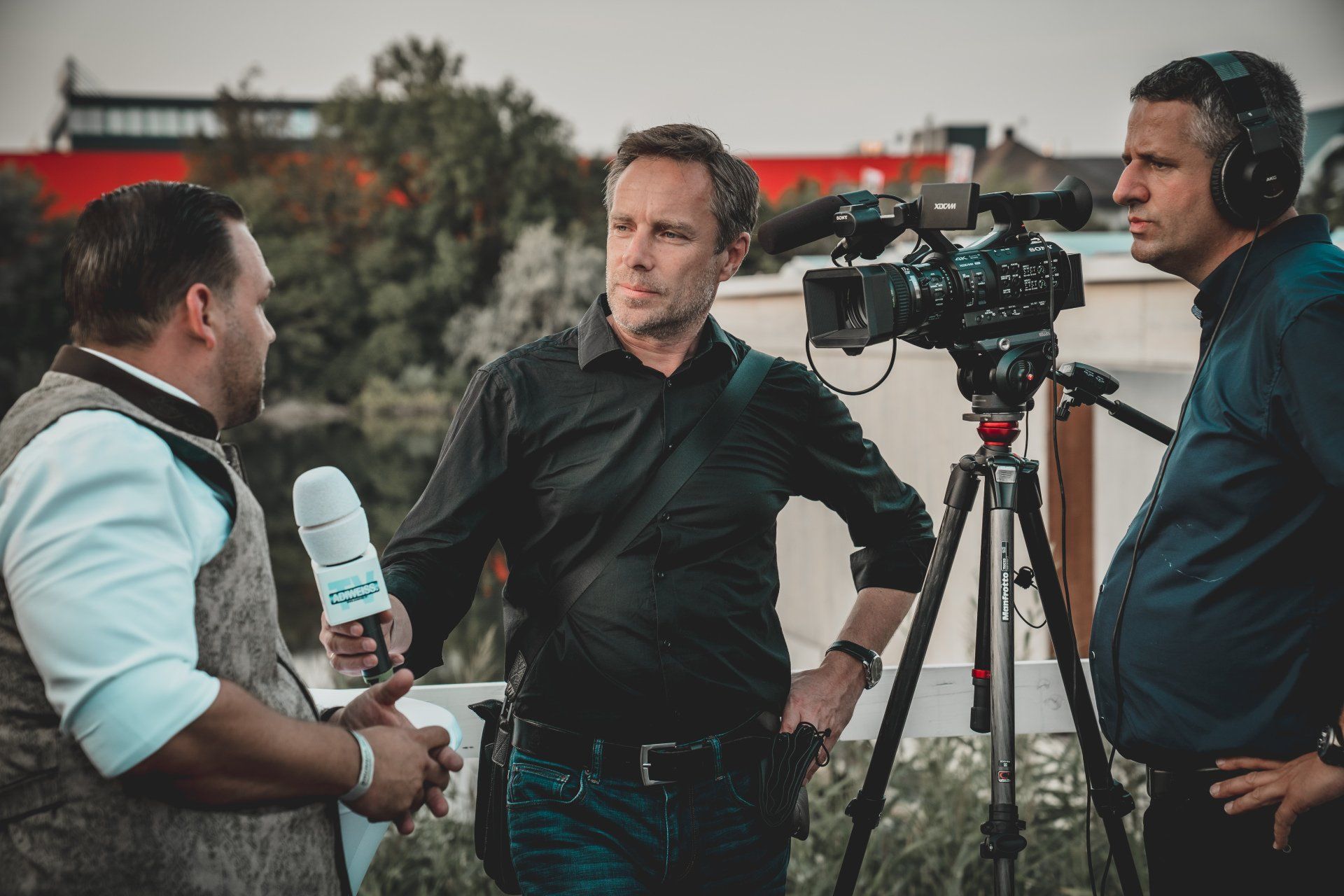
Professional productions prioritize sound by using high-quality microphones, controlling background noise, and carefully monitoring audio levels throughout filming.
Common audio problems in amateur videos include:
- echo or hollow sounding voices
- background noise from HVAC systems or traffic
- inconsistent audio level
- muffled dialogue
Clear audio allows viewers to focus on the message being communicated without distraction. Because interviews and spoken explanations are often central to corporate videos, sound quality plays a critical role in maintaining professionalism.
Thoughtful Storytelling vs Random Footage
One of the biggest differences between professional and amateur corporate videos is storytelling.
Professional productions are built around a clear narrative structure. The video has a beginning, middle, and end, guiding viewers through the company’s story in a way that feels natural and engaging.
Amateur videos often lack this structure. They may consist of disconnected clips, overly long interviews, or footage that doesn’t clearly communicate the company’s message.
Effective corporate videos typically focus on:
• the company’s mission or purpose
• the people behind the business
• the problems the company helps solve
• the experience clients can expect
When these elements are thoughtfully woven together, the video feels purposeful and memorable.
Cinematic Visual Quality vs Basic Recording
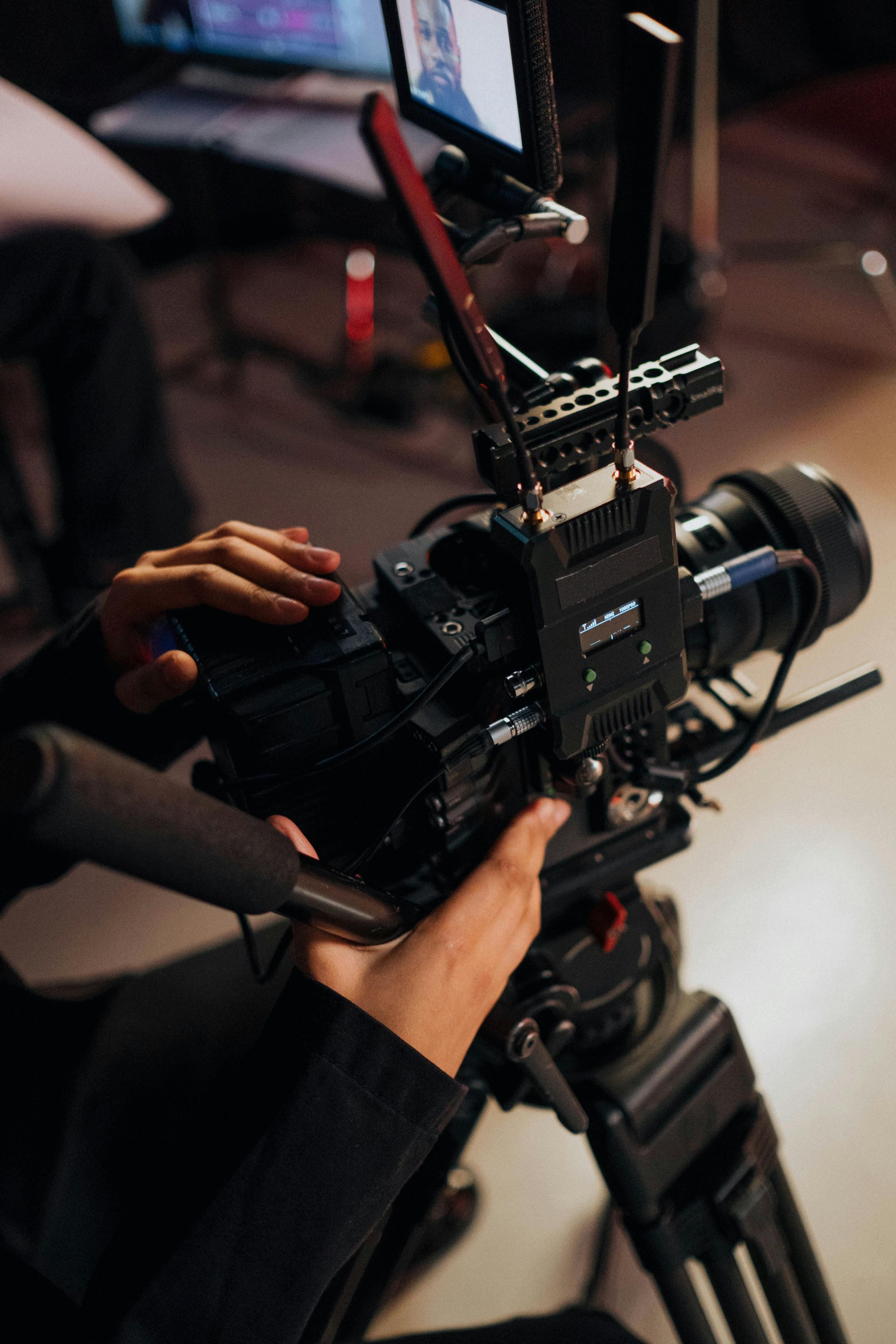
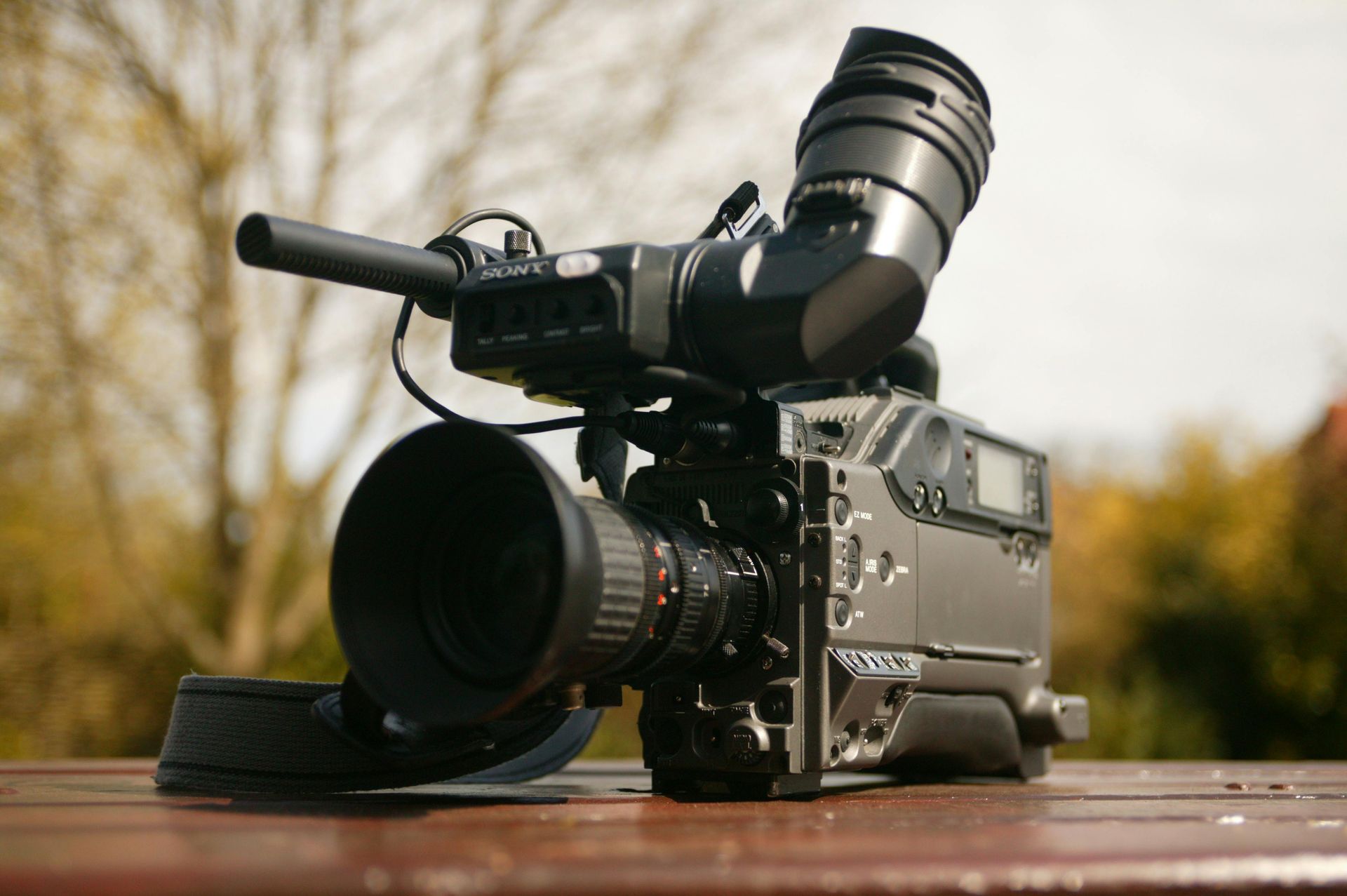
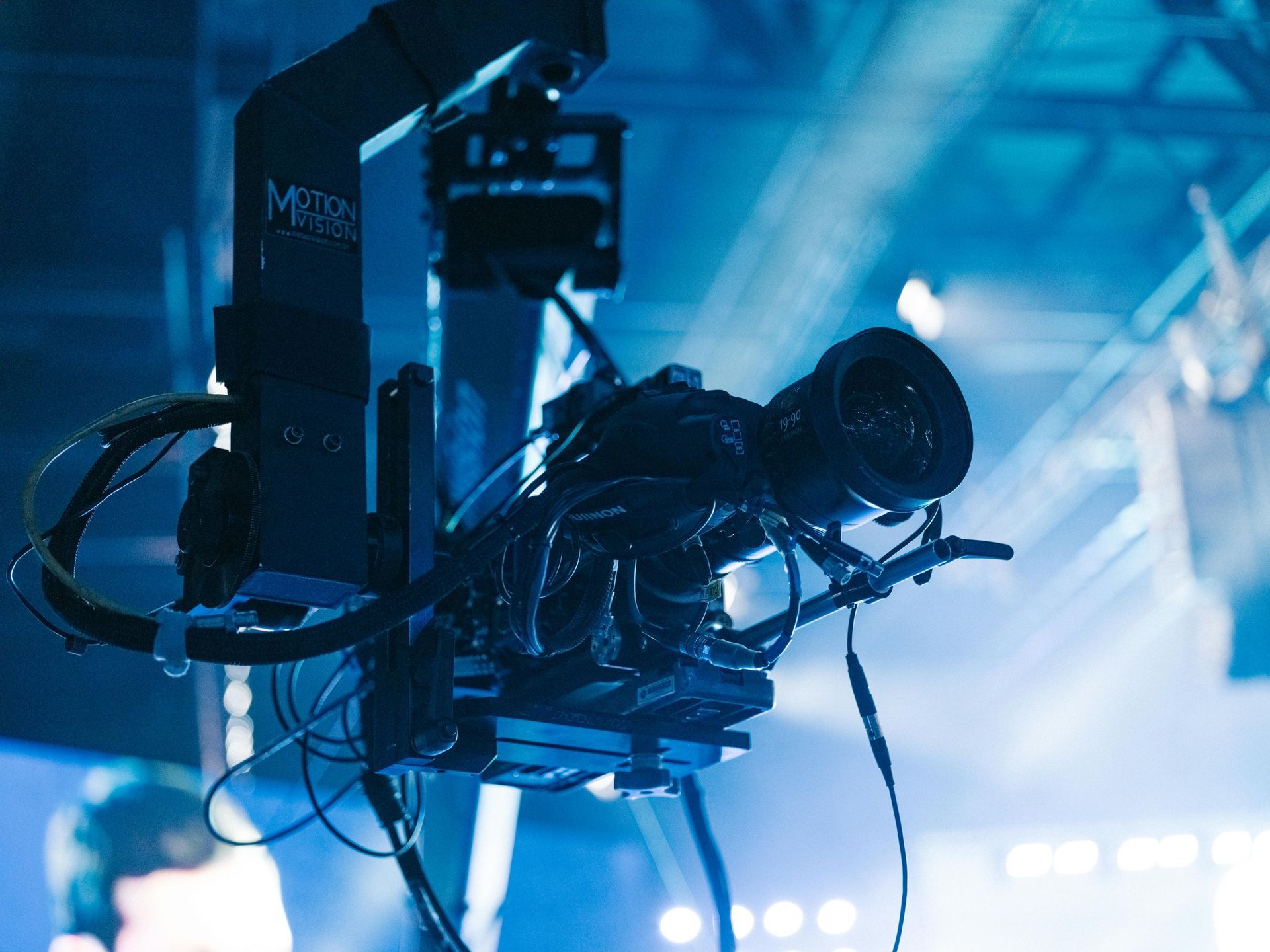
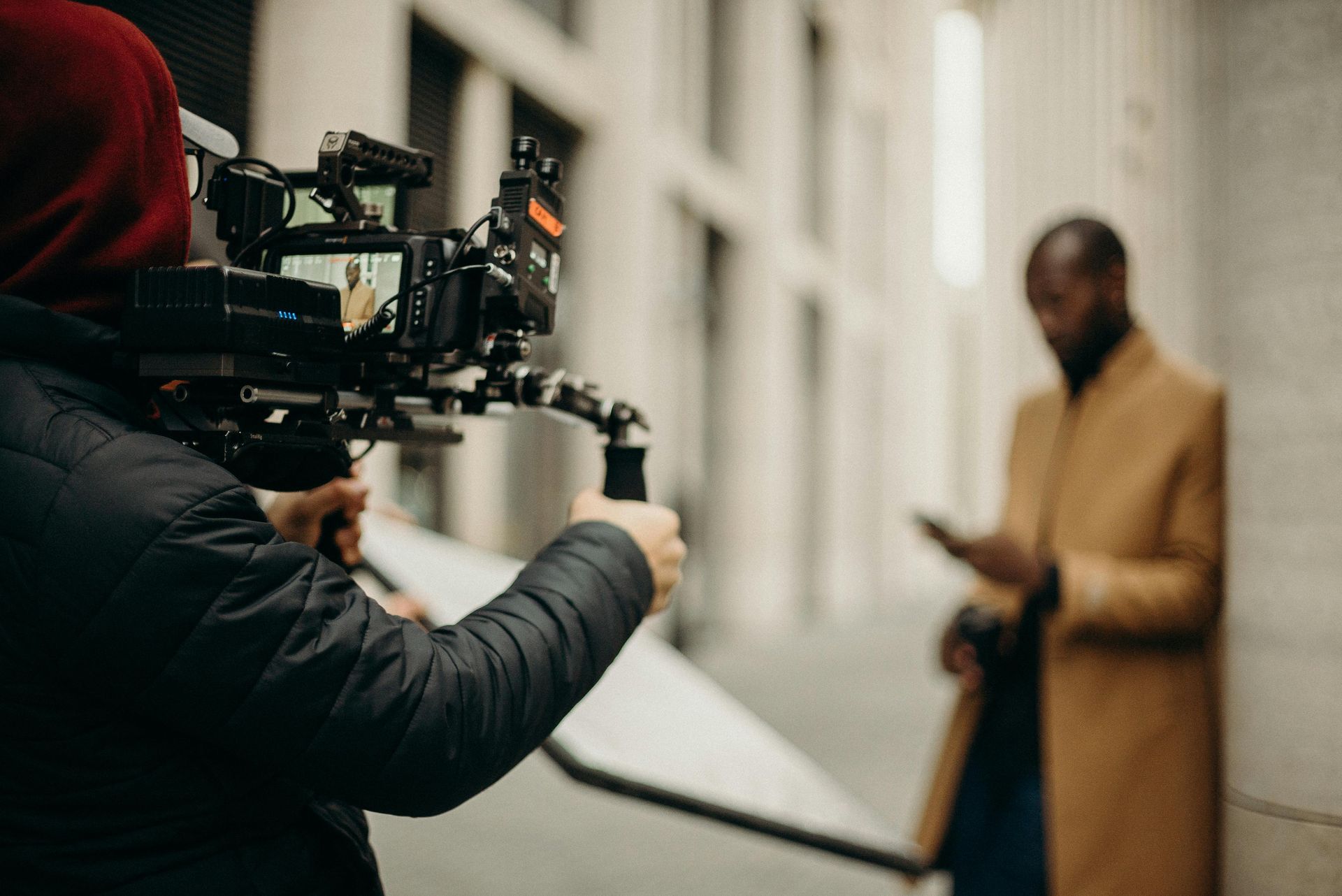
Professional corporate videos benefit from high-quality cameras, lenses, stabilization systems, and careful composition.
These tools help create smooth movement, sharp imagery, and a visually pleasing depth that enhances the overall experience for viewers.
Amateur videos often rely on handheld footage or basic camera setups without stabilization. This can result in shaky visuals, inconsistent framing, or distracting movement.
While modern smartphones are capable of capturing impressive footage, professional equipment and technical expertise still play a significant role in achieving a polished, cinematic look.
Professional Editing vs Basic Cuts
Editing is where the raw footage captured during production is transformed into a cohesive story.
Professional editors carefully craft the pacing of a video, ensuring that scenes flow naturally and maintain viewer engagement. They also incorporate elements such as color grading, sound design, and music to enhance the emotional impact of the film.
Amateur editing often lacks these refinements. Common issues may include:
• abrupt transitions between scenes
• inconsistent color tones
• awkward pacing
• overly long segments that lose viewer attention
Professional editing brings structure, rhythm, and polish to the final product.
Strategic Messaging vs Unclear Communication
Professional corporate videos are created with a clear objective. Every visual and spoken element contributes to a specific message that the company wants viewers to remember.
Amateur videos often lack this strategic focus. Without clear messaging, viewers may finish watching the video without fully understanding what the business does or why it stands out.
Strong corporate videos answer several key questions naturally:
• What does this company do?
• Why are they different?
• Why should clients trust them?
• What experience can clients expect?
When these questions are addressed clearly, the video becomes a powerful tool for building confidence and encouraging viewers to take the next step.
Why Professional Corporate Video Production Matters
For businesses competing in professional industries, the way a company presents itself can influence how potential clients perceive its expertise and credibility.
A professional corporate video communicates that the business takes its brand seriously and invests in presenting itself at a high level. This can make a meaningful difference when potential clients are comparing several companies offering similar services.
Video is often one of the first ways people encounter a brand. Ensuring that it reflects the professionalism and quality of the organization can help strengthen trust and create a lasting positive impression.
Final Thoughts on Professional vs Amateur Corporate Videos
The difference between a professional corporate video and an amateur one extends far beyond the equipment used to capture the footage. It involves thoughtful planning, strategic storytelling, high-quality visuals and audio, and careful editing that brings everything together.
When these elements are combined effectively, the result is a video that not only looks polished but also communicates the credibility and expertise of the business being represented.
For companies looking to strengthen their brand, attract ideal clients, and stand out in competitive markets, professional video production can be one of the most impactful investments they make.