Weddings
The Lighting Secret That Makes Wedding Photos Look Luxury Instead of Average
Scroll through wedding photos and you can usually tell which look expensive, even if you cannot say why. Much of the answer is lighting. This guide explains what polished wedding lighting actually is, how it changes through the day, and what to ask when you choose a photographer.
By Tyler Rivera, Founder of Legend Photo & Film 4 min read
Why lighting separates nice photos from polished ones
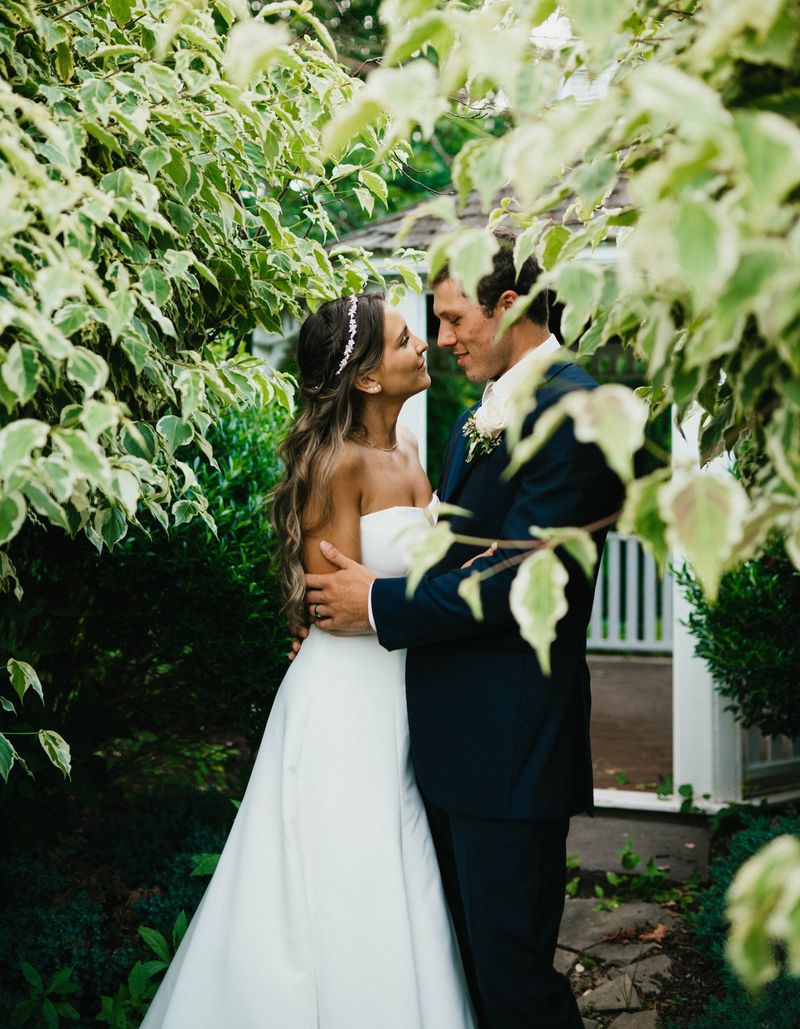
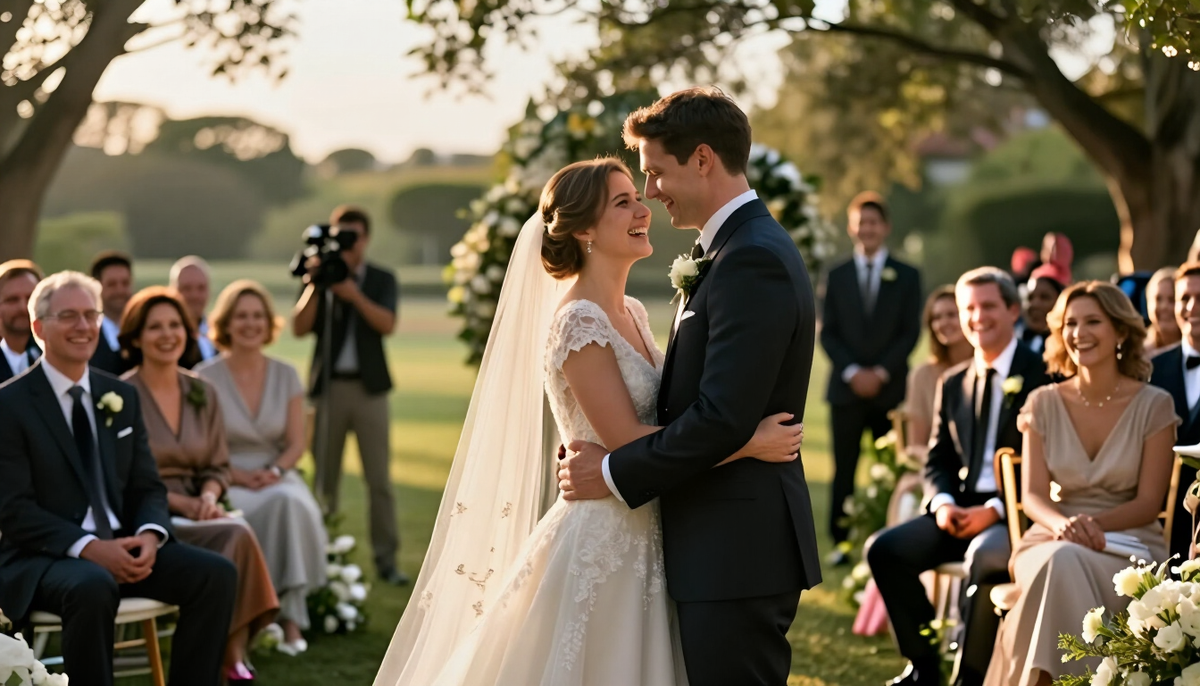
A polished wedding photo tends to share a set of traits: skin tones that look natural, crisp detail, soft backgrounds, balanced contrast and a feeling that everything is intentional. A great deal of that comes from how the light was handled rather than which camera was used.
You do not need to understand lighting as a couple. You need a photographer who does, and a few questions that show whether they do.
What polished wedding lighting actually means
It has little to do with obvious flashes or elaborate studio setups. It is closer to a blend of the following:
- Soft, directional light
- Balanced shadows that shape the face
- Even exposure across different skin tones
- Controlled highlights that avoid harsh shine
- Depth that gives images a cinematic feel
Done well, it feels
Romantic, timeless, clean, natural and elegant.
Done poorly, it feels
Flat, harsh, washed out, unflattering or slightly off.
Directional and diffused: the combination to look for
Directional light comes from a clear direction and gives the face shape and contour. Diffused light is softened, so shadows are gentle and skin looks smooth. Together they give the editorial look many couples admire.
A photographer who plans around this knows which way to face you, where shadows will fall, when to move for a better angle, and how to avoid harsh overhead light. Many average photos come from flat, overhead or uncontrolled light.
Natural light and added light
Natural light is beautiful when it is managed, but a wedding rarely offers perfect light all day. It changes as clouds move. Interior rooms can look yellow, green or blue. Shade can look muddy, and ceremony spaces often have mixed light.
Photographers shape the light rather than waiting for it. Tools include reflectors, diffusers, off-camera flash, LED panels, bounce techniques and using the direction of a window. Used well, these produce balanced images in difficult conditions without looking artificial.
Why the getting-ready room matters
Light plays a major role before the dress goes on. A bright room with large windows, light walls and an uncluttered background reflects soft light onto faces and details, which helps makeup, rings and quiet moments.
Rooms that make it harder include dark hotel rooms, yellow bulbs, fluorescent overhead lights, deep wall colors and cluttered spaces. A good photographer can work with most rooms, but a bright one gives a real head start. If you have a choice, ask for the room with the best window.
Ceremony lighting
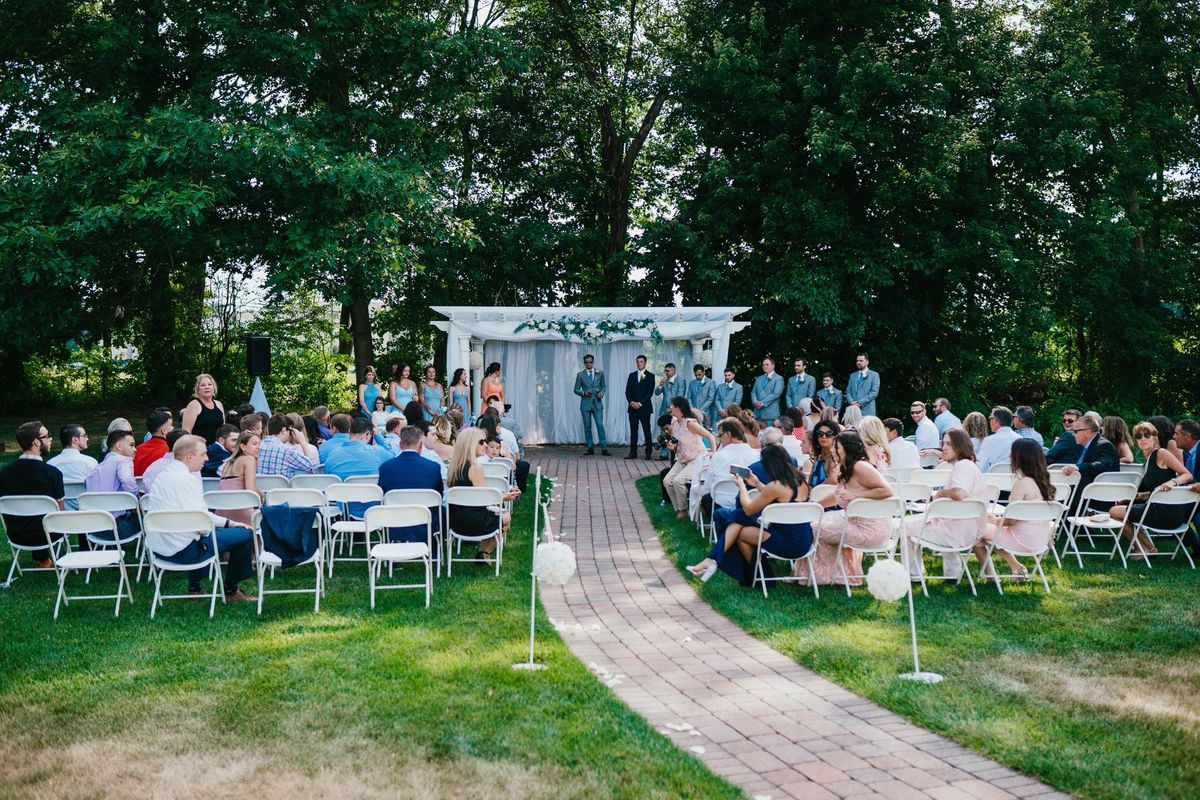
Ceremony light has a large effect on how both photos and film turn out, and it is hard to change once the ceremony starts. Direction, shade, time of day and indoor or outdoor placement all matter.
A careful photographer visits or studies the ceremony space ahead of time, notes where the sun will be, and plans positions around it. If you are still choosing a ceremony time or spot, ask your photographer before you commit.
What flash is for
Many couples picture flash as harsh or nightclub-like. Off-camera flash that is shaped and aimed can look soft and natural; viewers usually notice clean skin and crisp detail rather than the flash itself. It is often the reason reception photos look bright and consistent instead of orange and grainy.
Reception lighting
Receptions are among the hardest places to photograph. Common challenges include:
- DJ uplights and color-changing LEDs
- Dark corners
- Mixed lighting temperatures
- Fast movement on the dance floor
- Candles, chandeliers and signs all in one room
Why it matters
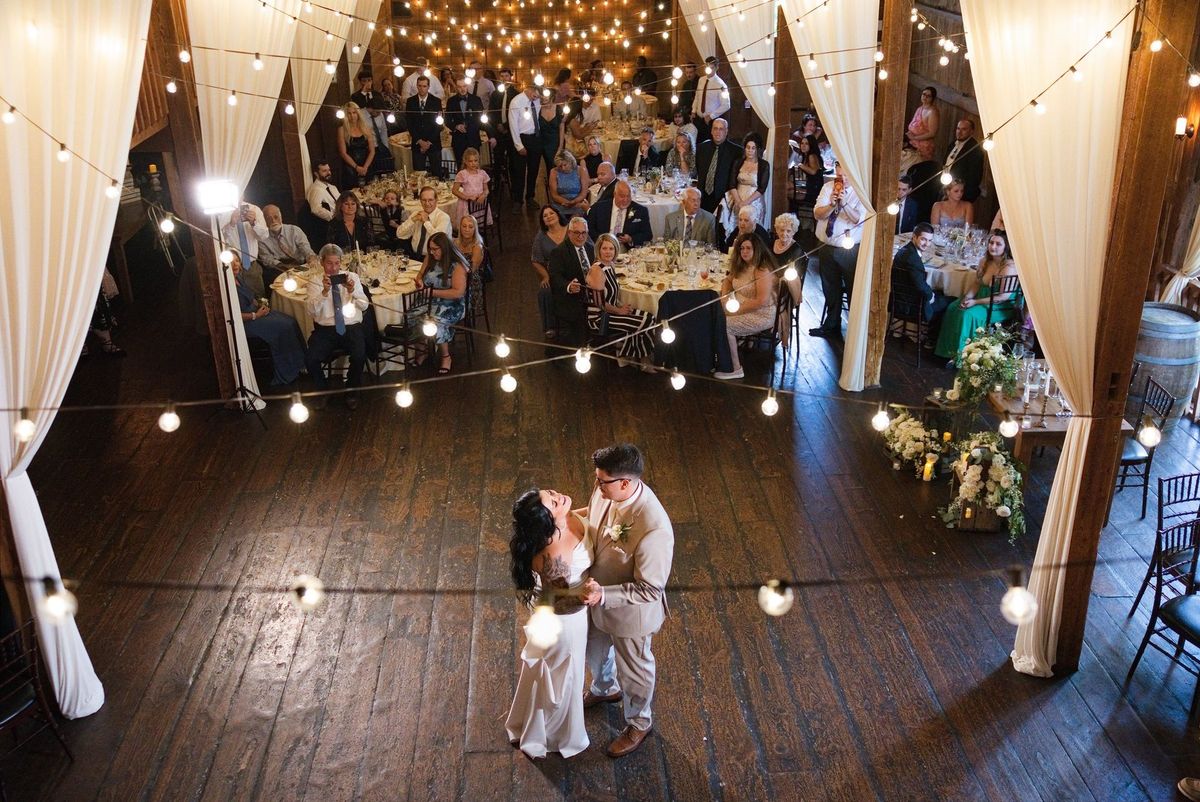
Controlled lighting helps you keep clear dance-floor images, first dance photos, speeches and reactions, and cake-cutting pictures. Relying only on a camera's built-in flash often gives flat, washed-out results.
How lighting affects your film
Lighting affects video even more than photography because it shapes color, skin tones and the sense of depth throughout a scene. If you book photo and video together, the two teams can plan around the same light and avoid getting in each other's way.
Questions to ask a photographer about lighting
How do you handle harsh midday sun?
Good answers mention open shade, directional light, backlighting or diffusion.
What lighting tools do you bring to weddings?
Listen for off-camera flash, diffusers, reflectors, LED lights or similar.
How do you handle dark reception venues?
Look for off-camera flash and balancing it with the room's own light.
How do you approach ceremony lighting?
A thoughtful answer covers positioning, backlighting and exposure. Be cautious if there is no plan at all.
Common lighting problems and what usually fixes them
- A dark room: move to window light or add a controlled light source
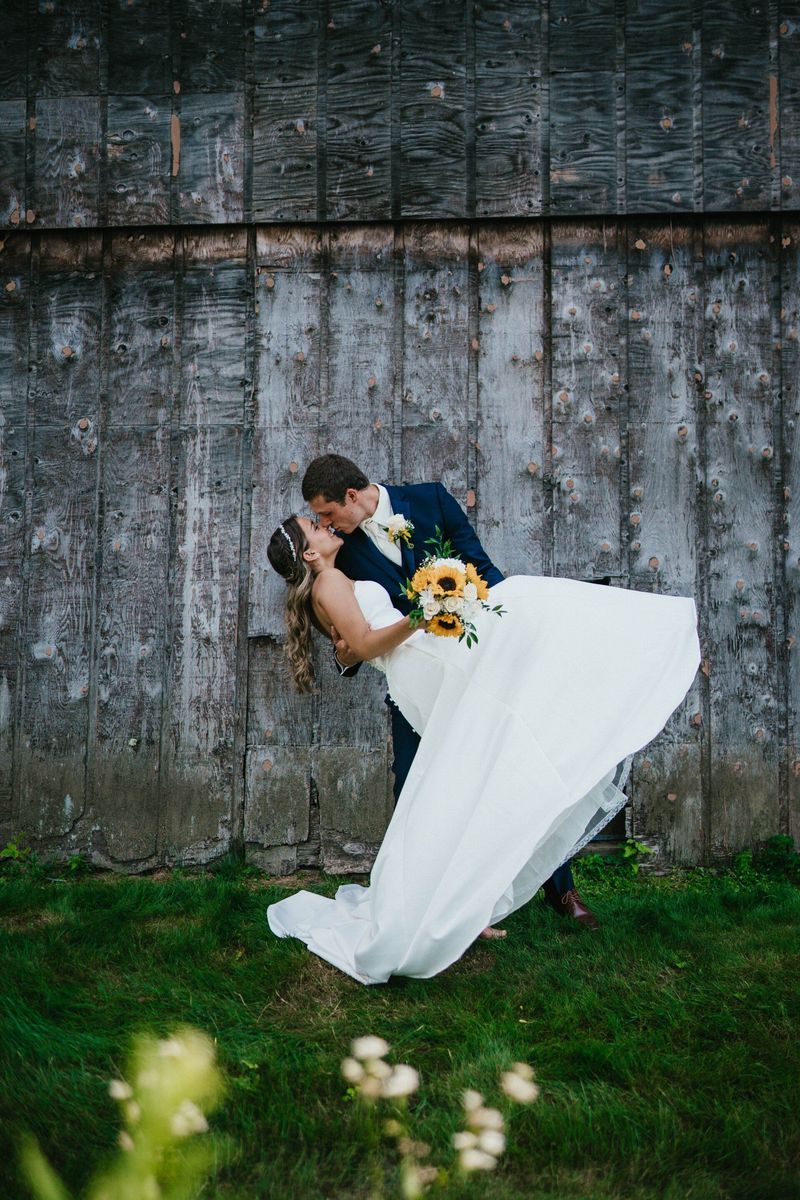
- Harsh sun: use open shade, a different angle or backlight with diffusion
- An orange reception: balance the room's color with flash
- Patchy shade: diffuse or reposition so the light is even
- Night portraits: use a directional light source and a plan for the background
Choosing a photographer
Luxury has less to do with filters or trending presets than with controlling light, natural and added, so images keep looking good years later. Review full galleries rather than only highlight images, and look for consistency across different parts of the day. Then talk through your venue and timeline with them.
See our packages and pricing for wedding films, photography and photo + video bundles.