DIY vs Hiring a Social Media Agency: What’s Better for Your Business?
For many businesses, social media sits in an awkward space. It feels important, but it’s often inconsistent. Owners start by managing their accounts themselves, then reach a point where growth slows, time disappears, and the question becomes clear: should we keep doing this ourselves or hire a social media agency?
There isn’t a universal answer. The right approach depends on your goals, budget, time, and how central social media is to your growth strategy. Some businesses thrive with a DIY approach. Others unlock significant momentum when they bring in professional support.
This guide explains the real differences between DIY social media and hiring an agency, the pros and cons of each, and how to decide what’s best for your stage of business.

What DIY Social Media Actually Involves
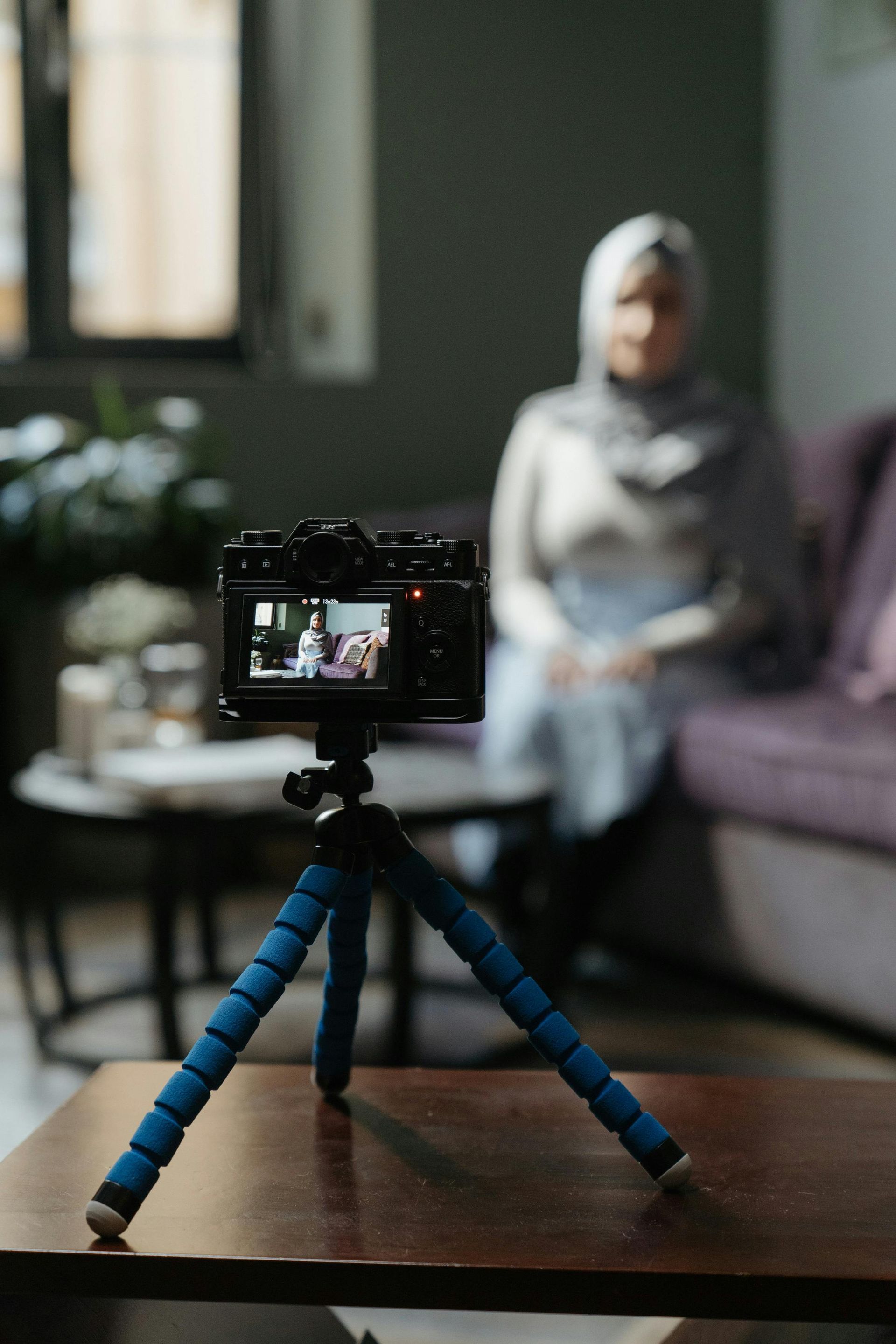
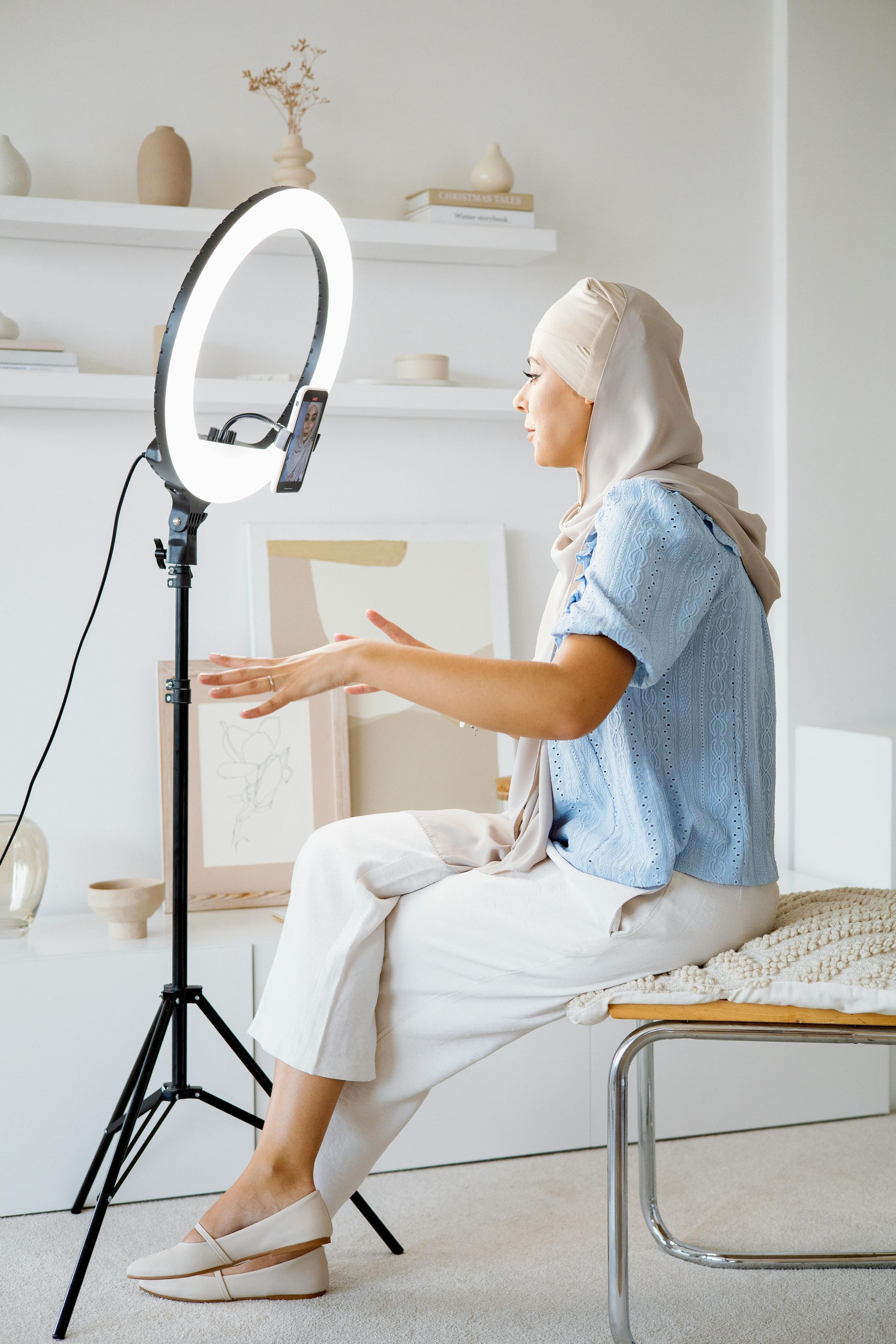
DIY social media means the business owner or team handles everything internally.
That includes:
- Planning content
- Filming or creating visuals
- Writing captions
- Scheduling posts
- Responding to messages
- Tracking performance
On paper, this seems manageable. In practice, consistency is the biggest challenge.
Most businesses underestimate the time required to maintain a strong presence. Posting a few times per week, filming video, editing, and engaging can easily require several hours every week.
DIY works best when expectations are realistic and social media is treated as a long-term habit rather than a short campaign.
What Hiring a Social Media Agency Provides
A social media agency shifts responsibility from execution to strategy and consistency.
Typical agency support includes:
- Content planning and messaging
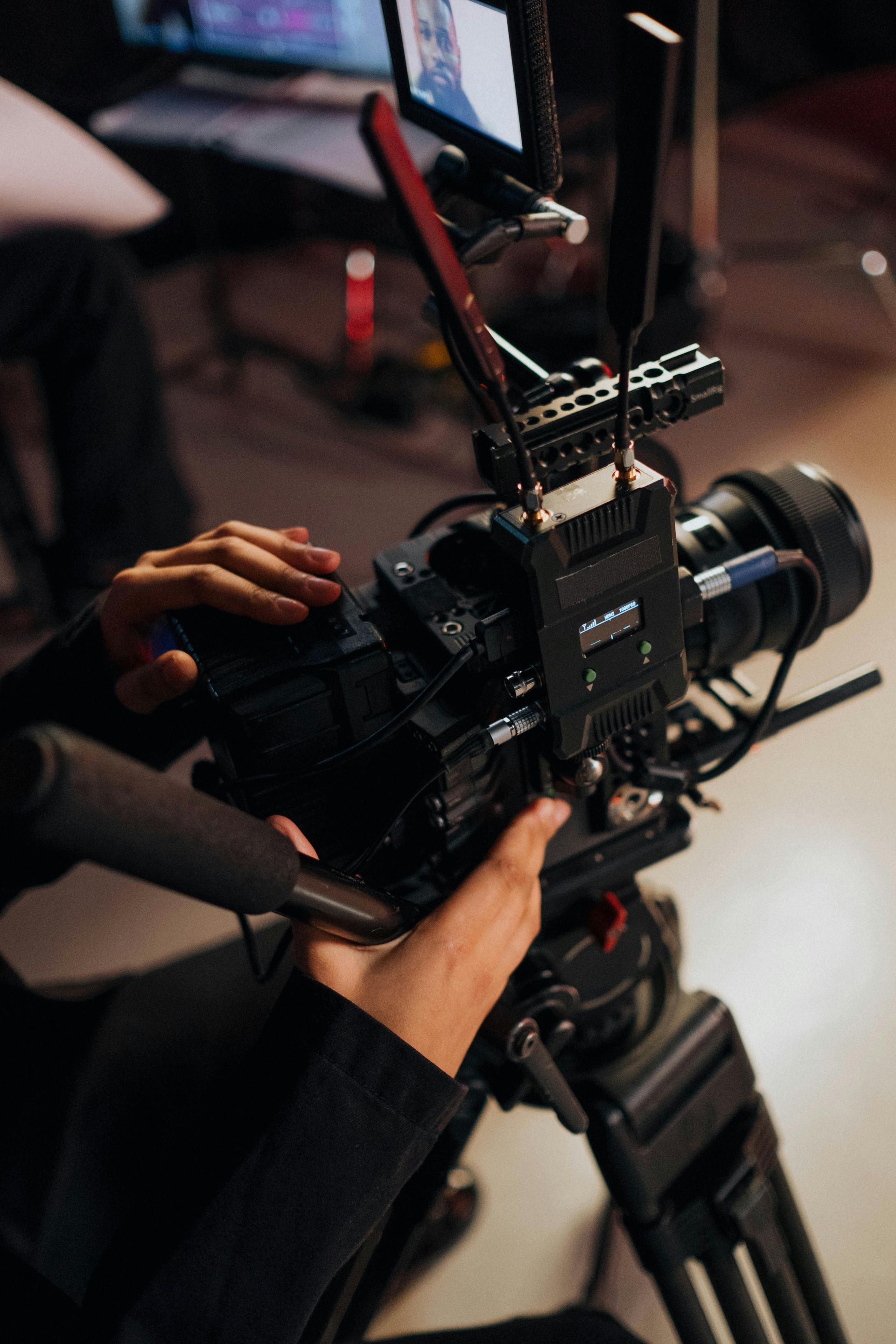
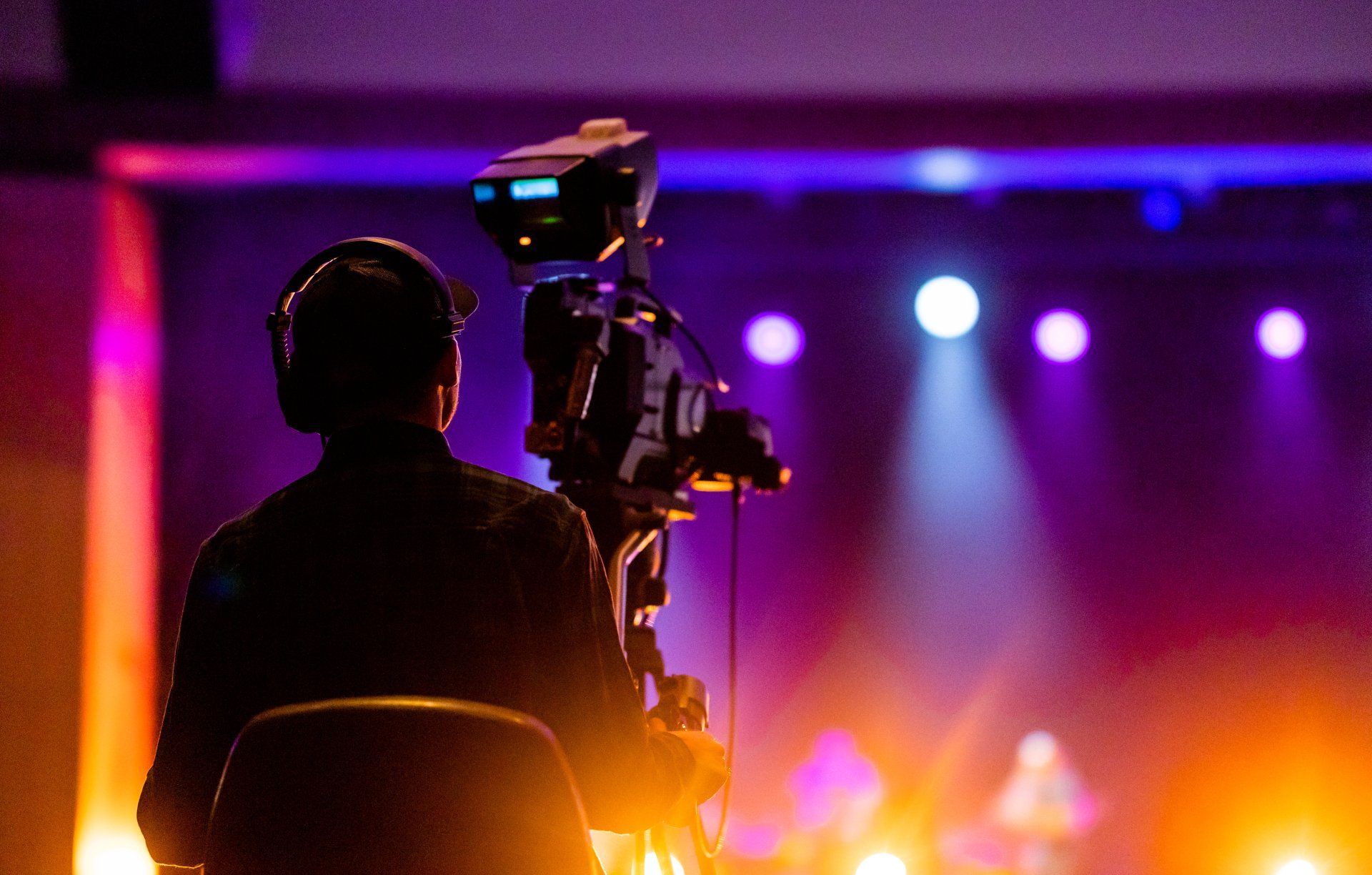
- Professional content creation
- Platform management
- Analytics and reporting
- Strategic adjustments
- Brand positioning guidance
The biggest difference is structure. Agencies operate on systems designed to keep content consistent even when the business is busy.
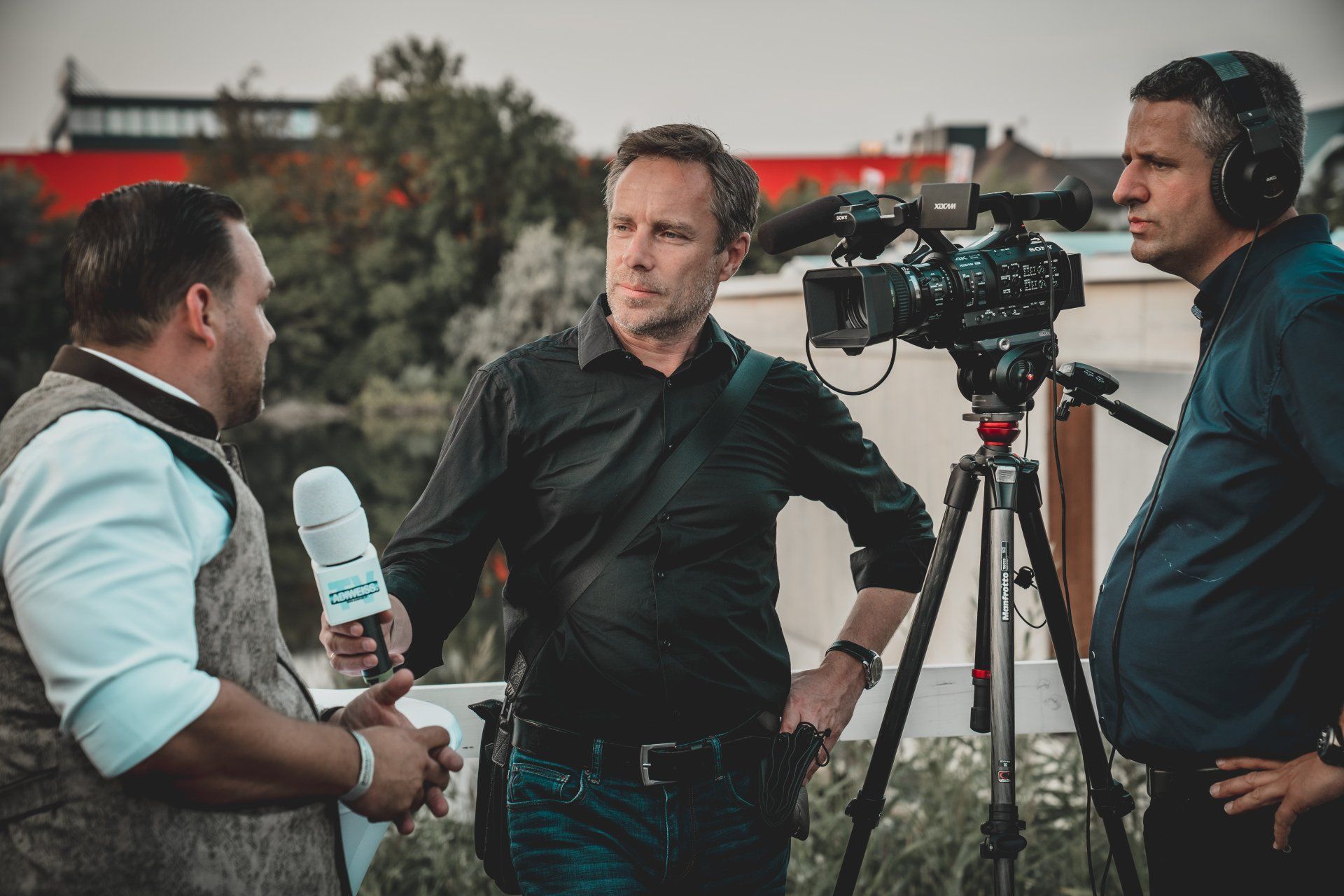
Many modern agencies also integrate video production and storytelling — a major factor in performance today — similar to approaches used in professional brand content and corporate storytelling:
https://www.legendphotoandfilm.com/business-commercials
Hiring an agency doesn’t remove your involvement, but it removes the burden of doing everything yourself.
Pros of DIY Social Media
DIY has real advantages, especially early on.
Lower Cost
The main benefit is saving money. DIY requires time rather than monthly retainers.
Authenticity
Owners understand their business better than anyone. That authenticity can resonate strongly.
Flexibility
You can post whenever you want and pivot quickly without approval processes.
Learning Your Audience
Managing social media yourself helps you understand what customers respond to.
DIY is often the best starting point for new businesses building their voice.
Cons of DIY Social Media
The biggest challenge is consistency.
Common issues include:
- Irregular posting
- Lower content quality
- Lack of strategy
- Burnout
- Difficulty measuring ROI
Many businesses plateau because DIY social media becomes reactive rather than intentional.
- Time is the hidden cost.
Pros of Hiring a Social Media Agency
Consistency
Agencies operate on schedules and workflows that prevent gaps.
Professional Content Quality
Video, lighting, editing, and storytelling elevate perception.
Brand imagery can also complement video strategy when done professionally:
https://www.legendphotoandfilm.com/portraits
Strategy and Positioning
Agencies think about messaging, not just posts.
Time Savings
Owners can focus on running the business.
Scalability
Agencies can increase output as the business grows.
For businesses that view social media as a growth channel, these benefits are significant.
Cons of Hiring an Agency
Hiring isn’t perfect.
Potential downsides:
- Monthly cost
- Onboarding time
- Need for collaboration
- Results take time
- Not all agencies are equal
The key is choosing a partner that understands your goals rather than just delivering posts.
When DIY Makes More Sense
DIY is often better when:
- Budget is limited
- You’re still refining your offer
- Social media isn’t a primary growth channel
- You enjoy content creation
- Growth speed isn’t critical
At this stage, consistency matters more than perfection.
DIY can build momentum before investing.
When Hiring an Agency Makes More Sense
Hiring becomes valuable when:
- Time is limited
- Content quality affects perception
- You want inbound leads
- Competitors look more professional
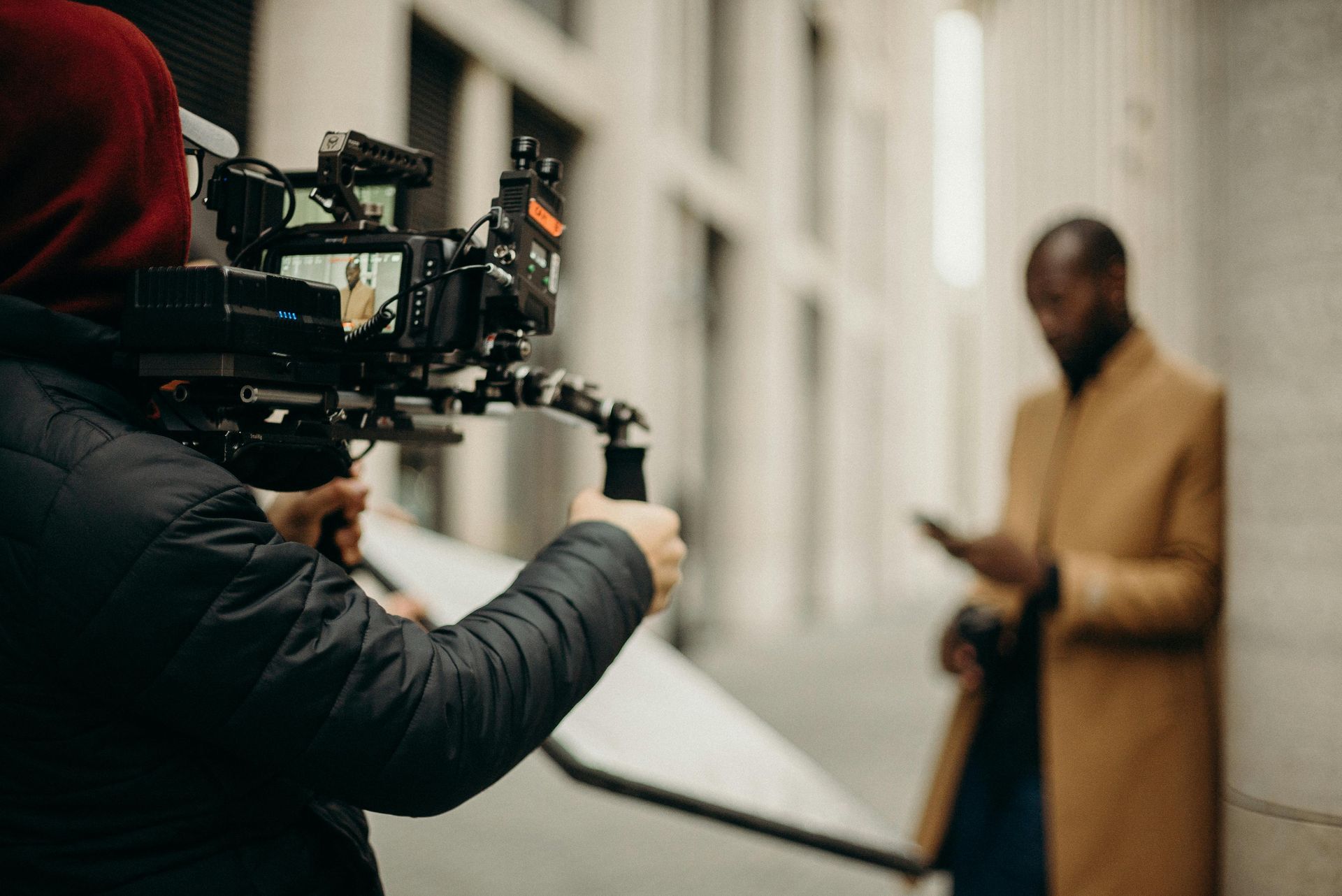
- You need video
- You want a long-term strategy
Businesses often reach a point where doing everything internally slows growth. That’s when outsourcing becomes leverage.
Companies exploring structured management can learn more here:
https://www.legendphotoandfilm.com/socialmediaagencyconnecticut
The Hybrid Approach
(Often the Best Option)
Many successful businesses don’t choose one or the other.
They combine both.
Examples:
- Agency handles strategy + production
- Business posts daily stories
- Agency films content days
- Internal team manages engagement
This hybrid model maintains authenticity while ensuring consistency.
It’s increasingly common because it balances cost and quality.
Common Concerns Businesses Have
“Will an agency understand my brand?”
The right agency collaborates closely and builds messaging together.
“Is it worth the cost?”
The answer depends on whether social media influences revenue and perception.
“What if results are slow?”
Social media is cumulative. Most brands see meaningful momentum over several months, not weeks.
Best Practices Regardless of Your Choice
Whether DIY or hiring, strong social media usually includes:
- Clear messaging
- Video content
- Consistent posting
- Audience interaction
- Long-term thinking
Batch content creation and testimonial capture are particularly effective strategies:
https://www.legendphotoandfilm.com/5-tips-for-capturing-engaging-testimonial-videos-from-clients
Structure drives results more than tools.
Final Thoughts: It’s About Stage, Not Right or Wrong
DIY and hiring both work.
DIY offers control and lower cost.
Agencies offer consistency and strategic growth.
The best choice depends on your stage, goals, and available time.
Many businesses start DIY, hit a plateau, then invest in professional support to accelerate growth.
If you’re exploring what level of support makes sense for your business, you can reach out here: